
Wondering how a regulator’s decision to bar a founder or a platform impacts your ability to earn online? This article explains what a permanent industry ban means, how it is enforced, and what you can do to protect yourself when a crypto project faces regulatory action.
What a Permanent Industry Ban Is and How It Works
A permanent ban is an order from a government agency—such as a state attorney general, the Commodity Futures Trading Commission (CFTC), the Securities and Exchange Commission (SEC), or a similar regulator—that prohibits an individual or entity from participating in specific financial activities. In the crypto space, the ban often covers three main areas: cryptocurrency (digital assets and related services), securities (activities that fall under securities law, like offering investment contracts), and commodities (trading of futures or derivatives). Once issued, the ban is enforceable through civil penalties, criminal prosecution, and asset forfeiture.
Regulators issue bans for several reasons, including fraud, misrepresentation of investment risks, failure to register with the appropriate agency, or operating without required licenses. The ban can be accompanied by a settlement that includes monetary payments, forfeiture of assets, and ongoing monitoring. Violating a ban can result in additional fines, imprisonment, or further civil action.
Real‑World Example: Alex Mashinsky’s Permanent Bar
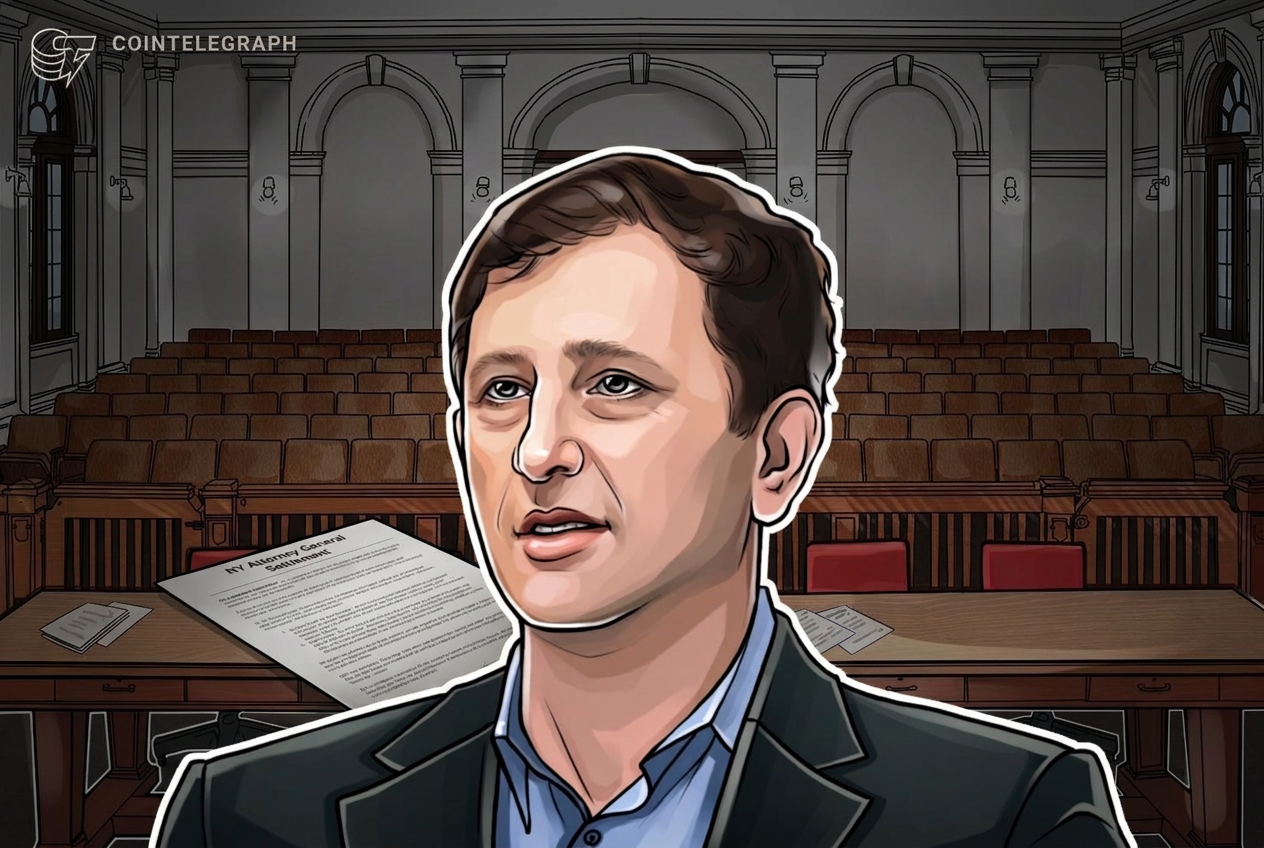
In October 2026, New York Attorney General Letitia James announced a settlement that permanently barred former Celsius CEO Alex Mashinsky from the cryptocurrency, securities, and commodities industries. The agreement resolved a 2023 civil fraud lawsuit alleging that Mashinsky misled investors about the safety of Celsius’s high‑yield products. As part of the settlement, Mashinsky faces up to $35 million in conditional payments and is prohibited from any future involvement in the three regulated sectors.
This case illustrates how a regulator can combine a permanent ban with financial penalties and asset forfeiture, effectively removing the individual from the market and signaling to investors that the associated project carries heightened risk.
What It Means for You: Practical Implications
When a founder or key executive is barred, the immediate impact is a loss of credibility for the associated project. Even if the project itself continues operating, investors may face:
- Reduced trust: A ban suggests past misconduct, making it harder to rely on the team’s promises.
- Potential legal exposure: Ongoing investigations can lead to further sanctions that affect the platform’s ability to operate.
- Liquidity concerns: Exchanges may delist tokens linked to the barred individual, limiting your ability to trade or withdraw.
- Risk of additional penalties: If the project continues to use the barred individual’s influence, regulators may impose broader restrictions that could impact token holders.
For those seeking passive income through crypto lending, staking, or cloud mining, a regulatory ban serves as a red flag. It’s a signal to reassess whether the promised yields are sustainable or if they rely on opaque practices that could be shut down.
What to Check Before You Invest or Earn
Use these checkpoints to evaluate a project’s regulatory health:
- Leadership background: Verify whether founders or executives have been barred, fined, or faced civil actions.
- Licensing status: Confirm that the platform holds the necessary registrations with the SEC, CFTC, or relevant state authorities.
- Transparency of audits: Look for third‑party audit reports that detail asset holdings and risk exposure.
- Regulatory disclosures: Read the project’s legal and compliance sections for any ongoing investigations or settlements.
- Community sentiment: Monitor forums and social media for discussions about regulatory issues; sudden spikes in concern often precede official actions.
FAQ
What does a permanent ban actually prevent a person from doing?
It legally stops the individual from offering, promoting, or managing any activities that fall under cryptocurrency, securities, or commodities regulations. This includes running a crypto exchange, issuing tokens, or providing investment advice.
Can a project survive if its founder is banned?
Yes, but the project must distance itself from the barred individual, replace leadership, and demonstrate compliance with regulators. Without these steps, the platform may face additional sanctions or loss of user confidence.
Do I need to worry about past bans if I’m only using a platform as a user?
Even as a user, you could be affected if the platform is forced to shut down or if its tokens are delisted. It’s wise to stay informed about any regulatory actions involving the platform’s key personnel.
How can I verify if a project has been investigated?
Search the official websites of the SEC, CFTC, and state attorney general offices for press releases or case filings. Reputable news outlets also report on major settlements, but always cross‑check with the primary source.
This article references reporting from cointelegraph.com.





