
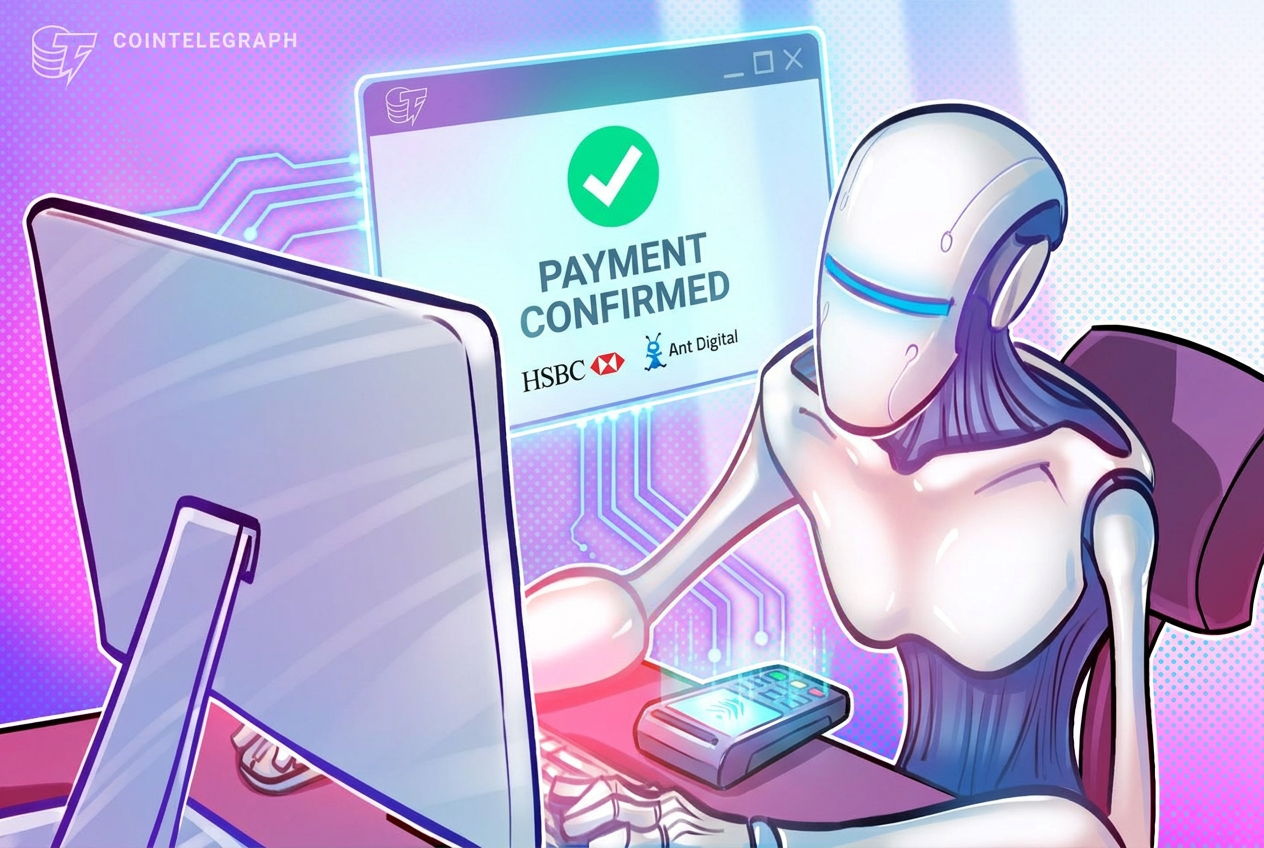
Ever wonder how a software program could pay for a service without you clicking a button? This article explains what tokenized bank deposits are, how AI agents can use them to make tiny payments, and what you should consider before trusting such technology.
What tokenized deposits and AI agents actually are
A tokenized deposit is a digital representation of a traditional bank balance that lives on a blockchain. Instead of moving cash between accounts, the bank creates a cryptographic token that mirrors the value of the deposit. The token can be transferred instantly, recorded immutably, and settled in real time, while the underlying fiat money stays safely in the bank’s ledger.
An AI agent is a software program that can act autonomously, making decisions based on data and pre‑defined rules. In finance, an AI agent can search for a service, negotiate a price, and trigger a payment without human intervention. When the agent is linked to a tokenized deposit, it can spend the token just as a human would spend cash, but the transaction happens automatically and can be as small as a few cents.
The combination of these two technologies enables micropayments—transactions typically under $2. Micropayments are useful for pay‑per‑use digital services, such as a single AI‑generated image, a brief API call, or a short video clip. Because the settlement occurs on a blockchain, the process is fast, transparent, and can run 24/7 without the delays of traditional banking.
Real‑world illustration
In October 2026, HSBC and Ant Digital Technologies conducted a technical trial that linked HSBC’s Tokenised Deposit Service with Ant Digital’s Anvita Flow network. The test used the Jovay Testnet, a layer‑2 blockchain environment, to let an AI agent locate a digital service and pay for it using a tokenized deposit. The transaction was settled in real time and passed HSBC’s risk checks, demonstrating that an autonomous program could safely make a micropayment of less than $2.
What this means for you
If you ever use a platform that offers “pay‑as‑you‑go” access to AI‑generated content, you may soon see tokenized deposits as the payment method behind the scenes. This could lower fees compared with credit‑card processing, speed up access to services, and allow you to set strict spending limits for each AI agent you authorize.
However, the technology is still in a testing phase. While the HSBC trial proved the concept works, most banks have not yet launched commercial products. Until a live service is available, you will likely encounter tokenized deposits only in experimental or pilot programs.
How to evaluate an AI‑agent payment solution
- Regulatory compliance: Verify that the provider follows local banking regulations and that the tokenized deposit is backed 1:1 by fiat reserves.
- Risk controls: Look for real‑time risk checks, transaction limits, and multi‑factor authentication for any agent that can spend funds.
- Transparency: The blockchain should allow you to view every token movement, including timestamps and counterparties.
- Reversibility: Understand the process for disputing a payment. Unlike credit‑card chargebacks, blockchain transactions are final, so the service should offer a clear refund policy.
- Fees: Compare the cost of token creation, network fees, and any service charges against traditional payment methods.
FAQ
Can I use my regular bank account with tokenized deposits?
Only banks that offer a tokenisation service can convert your fiat balance into a blockchain token. HSBC’s trial shows that major banks are beginning to develop this capability, but it is not yet widely available.
Are AI‑agent payments safe?
Safety depends on the risk controls built into the system. Real‑time risk checks, spending caps, and strict authentication for agents reduce the chance of unauthorized transactions. Always review the provider’s security measures before granting access.
Do I need to own cryptocurrency to use tokenized deposits?
No. The token represents a fiat deposit, not a cryptocurrency. You do not need a crypto wallet; the bank’s platform manages the token on your behalf.
What happens if an AI agent makes a mistake?
Because blockchain transactions are immutable, the mistake cannot be undone on the chain. The responsible party—usually the service provider—must handle refunds or corrections off‑chain, according to their policy.
This article references reporting from cointelegraph.com.





