
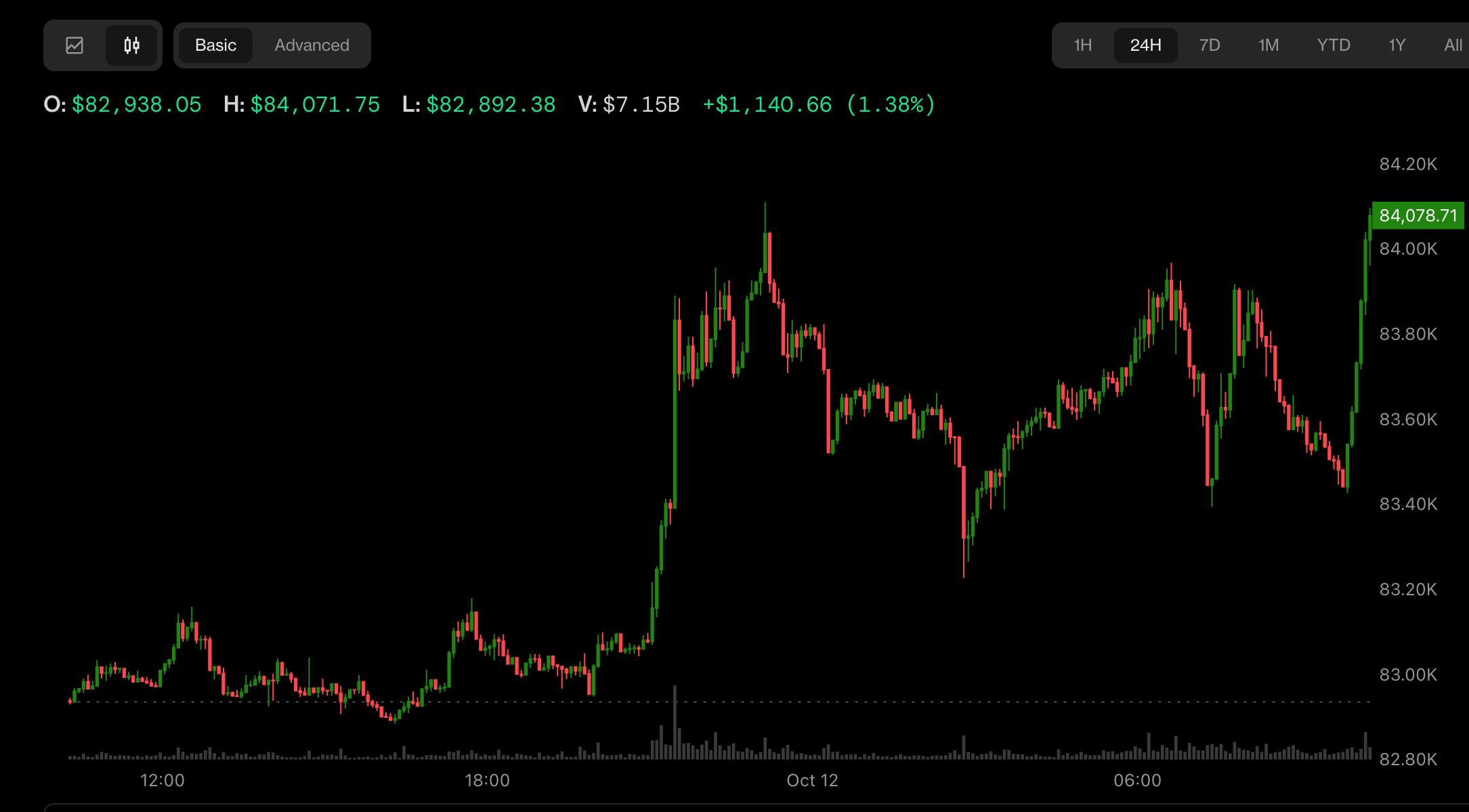
Do you wonder why Bitcoin’s price sometimes jumps or dips when a new exchange‑traded fund (ETF) appears in the headlines? This article explains how Bitcoin ETFs work, why they can move the market, and what you should consider if you’re trying to earn crypto online.
What a Bitcoin ETF Is and How It Functions
An exchange‑traded fund, or ETF, is an investment vehicle that holds assets and trades on a traditional stock exchange just like a stock. A Bitcoin ETF holds Bitcoin—or a Bitcoin‑related derivative—and issues shares that investors can buy and sell without needing a crypto wallet or a separate exchange.
When you buy a share of a Bitcoin ETF, you are not directly owning the underlying Bitcoin. Instead, you own a claim on the fund’s holdings. The fund manager is responsible for buying, storing, and securing the Bitcoin, and the share price tracks the net asset value (NAV) of those holdings, which is tied to the market price of Bitcoin.
Because ETFs are regulated products, they attract institutional investors, pension funds, and retail traders who might otherwise stay away from the crypto market due to custody concerns or regulatory uncertainty. The influx of capital into a Bitcoin ETF can increase overall demand for Bitcoin, while large redemptions can have the opposite effect.
Why ETF Flows Can Move Bitcoin’s Price
ETF flows refer to the net amount of money flowing into or out of an ETF. When investors buy shares, the fund manager must purchase more Bitcoin to keep the fund’s holdings in line with its share count. This buying pressure can push the spot price of Bitcoin higher. Conversely, when investors sell shares, the manager may need to sell Bitcoin, creating selling pressure that can depress the price.
The impact of these flows depends on several factors:
- Size of the ETF: Larger funds require more Bitcoin to meet inflows, amplifying price effects.
- Market liquidity: In a highly liquid market, the same amount of buying or selling has a smaller price impact than in a thinly traded market.
- Investor sentiment: Positive news about ETFs can boost confidence, leading to more buying beyond the ETF’s own purchases.
- Regulatory environment: Approvals or rejections of new Bitcoin ETFs can cause sharp market reactions.
Real‑World Example: Bitcoin’s Price After ETF Outflows
In March 2026, Bitcoin “shrugged off” a wave of ETF outflows and continued trading above $84,000 even as oil prices fell. Despite investors pulling money from Bitcoin‑related ETFs, the spot price remained resilient, illustrating that ETF flows are only one of many forces shaping Bitcoin’s market dynamics. The price held because broader demand from other sources—such as direct purchases by retail traders and institutional holders—offset the selling pressure from the ETFs.
What It Means for You: Earning Crypto in a Market Influenced by ETFs
If you earn crypto through mining, staking, or cloud‑reward platforms, ETF activity can affect the value of the coins you receive. A surge in ETF inflows may lift Bitcoin’s price, increasing the fiat value of your earnings. Conversely, large outflows could depress the price, reducing the dollar value of your rewards.
Understanding ETF dynamics helps you anticipate potential price swings and plan your earning strategy. For example, you might choose to lock in earnings during periods of strong inflows or diversify into assets less correlated with Bitcoin when outflows loom.
How to Evaluate ETF‑Related Risks
When assessing how ETF activity could impact your crypto earnings, consider these concrete steps:
- Track ETF flow reports: Look for weekly or monthly net flow data from major Bitcoin ETFs (e.g., those listed in the U.S. or Europe).
- Monitor fund size and liquidity: Larger, more liquid ETFs tend to have a smoother impact on price, while smaller funds can cause sharper moves.
- Watch regulatory news: Approvals, rejections, or legal challenges to Bitcoin ETFs often trigger price reactions.
- Compare with on‑chain activity: Tools that show Bitcoin transaction volume and hash rate give a broader view of market health beyond ETF flows.
- Set risk limits: If you rely on crypto earnings for income, decide in advance how much price volatility you can tolerate and consider hedging or converting earnings to stablecoins when needed.
FAQ
What’s the difference between a Bitcoin ETF and a Bitcoin trust?
A Bitcoin ETF trades on a stock exchange and must follow strict regulatory rules, while a Bitcoin trust (like the Grayscale Bitcoin Trust) is a private investment vehicle that may trade over‑the‑counter and often carries a premium or discount to the underlying Bitcoin price.
Can I earn Bitcoin directly from an ETF?
No. Buying ETF shares gives you exposure to Bitcoin’s price but does not provide you with actual Bitcoin that you can stake or mine. To earn Bitcoin, you need to hold the coin itself in a wallet you control.
Do ETF inflows always push Bitcoin’s price up?
Not necessarily. While inflows create buying pressure, other market forces—such as macroeconomic news, changes in mining difficulty, or large off‑exchange trades—can counteract or outweigh the impact.
How often do ETF flow reports get published?
Most major ETF providers release net flow data on a weekly or monthly basis. Some financial news services also aggregate this information and provide real‑time estimates.
This article references reporting from coindesk.com.





