
Are you curious about how prediction markets let you earn by betting on future events, and why their legal status matters for crypto users? This article breaks down the mechanics of prediction markets, explains the regulatory landscape, and shows how the debate in the United States could affect your ability to earn passively.
What a Prediction Market Is
A prediction market is a platform where participants buy and sell contracts that pay out based on the outcome of a future event. Each contract represents a specific result—such as “Candidate X will win the election” or “Bitcoin will be above $30,000 on a given date.” When you purchase a contract, you are essentially placing a bet that the event will happen. If it does, the contract pays out at a predetermined value (often $1); if it does not, the contract becomes worthless.
The price of a contract at any moment reflects the collective belief of all traders about the likelihood of the event. For example, a contract trading at $0.70 suggests the market estimates a 70 % chance of the outcome occurring. This price discovery function is why prediction markets are valuable to analysts, journalists, and anyone who wants a crowd‑sourced forecast.
Technical terms:
- Contract: The tradable unit that pays out if a specific outcome occurs.
- Liquidity: The ease with which you can buy or sell contracts without moving the price too much.
- Spread: The difference between the best buy (bid) and sell (ask) prices, indicating market efficiency.
- Settlement: The moment when the outcome is determined and contracts are paid out.
How Prediction Markets Operate on Blockchain
Traditional prediction markets run on centralized servers, but many new platforms use blockchain technology to create decentralized prediction markets. By recording contracts and trades on a public ledger, these platforms aim to provide transparency, censorship resistance, and global access. Smart contracts—self‑executing code on a blockchain—automate settlement once the outcome is verified, removing the need for a trusted third party.
However, blockchain‑based markets still need a way to bring real‑world data onto the chain. This is done through oracles, services that fetch external information (like election results) and feed it into the smart contract. The reliability of an oracle is crucial because incorrect data can lead to disputed payouts.
Legal Landscape: Why Courts Matter
Prediction markets sit at the intersection of gambling law, securities regulation, and commodity trading rules. In the United States, the Commodity Futures Trading Commission (CFTC) has classified many event‑based contracts as commodity derivatives, subjecting them to the same regulations as futures contracts. This classification can require registration, reporting, and compliance with anti‑money‑laundering (AML) rules.
State laws also vary. Some states treat prediction contracts as illegal gambling, while others have more permissive frameworks. The lack of a uniform national stance creates uncertainty for platform operators and users alike.
Real Example: Calls for Supreme Court Review
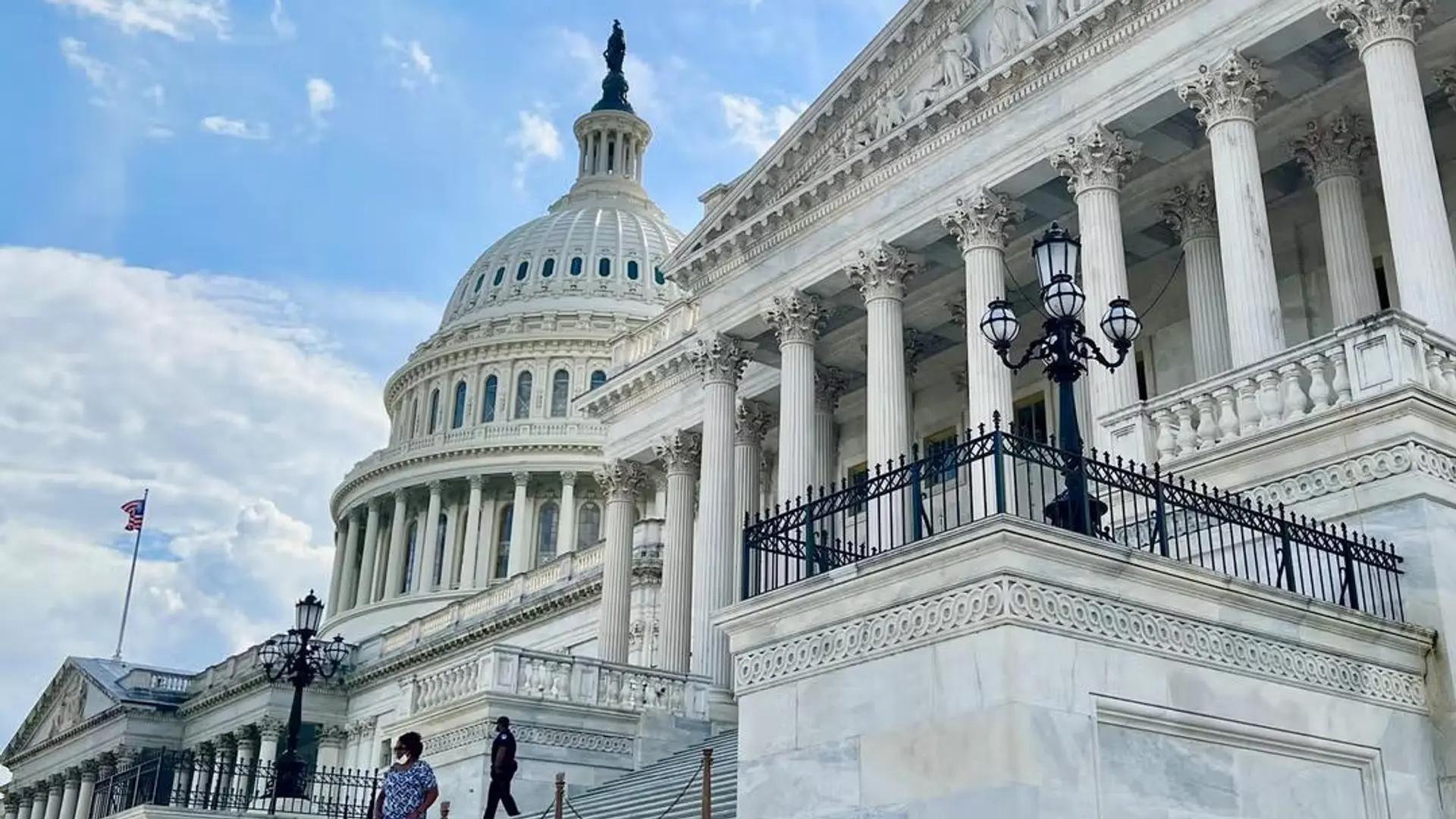
In a recent discussion highlighted by the State of Crypto newsletter, industry participants expressed a strong desire for the U.S. Supreme Court (SCOTUS) to take up the issue of prediction markets. Advocates argue that a definitive ruling would clarify whether these markets fall under gambling statutes or commodity regulations, potentially unlocking broader participation and innovation.
This call for judicial review underscores the tension between regulators seeking to protect consumers and innovators aiming to expand decentralized finance (DeFi) tools. A SCOTUS decision could set a precedent that either legitimizes or restricts prediction market platforms across the country.
What It Means for You
If you are looking to earn passive income by providing liquidity or trading on prediction markets, the legal environment directly impacts your options. A clear regulatory framework could:
- Enable more reputable platforms to operate, offering better security and higher liquidity.
- Reduce the risk of sudden platform shutdowns due to legal challenges.
- Provide clearer tax guidance, as earnings may be treated as gambling winnings or capital gains depending on the ruling.
Conversely, continued ambiguity may keep many platforms in a legal gray area, exposing users to potential loss of funds or regulatory penalties.
How to Evaluate a Prediction Market Platform
Before committing funds, consider these concrete checks:
- Regulatory Status: Verify whether the platform is registered with the CFTC or holds any state licenses. Look for public statements about compliance.
- Liquidity Pools: Examine the depth of the order book and the size of liquidity pools. Higher liquidity reduces slippage and improves the ability to enter or exit positions.
- Oracle Reputation: Research the oracle providers the platform uses. Established oracles like Chainlink have a track record of accurate data delivery.
- Security Audits: Ensure the smart contracts have undergone independent security audits. Audit reports should be publicly available.
- Fee Structure: Understand trading fees, settlement fees, and any liquidity provider rewards. Transparent fee models help you calculate net returns.
FAQ
Are prediction market earnings taxable?
Yes. In most jurisdictions, earnings are treated as either gambling winnings or capital gains, depending on the legal classification of the activity. You should consult a tax professional to determine the correct reporting method.
Can I use stablecoins to trade on prediction markets?
Many decentralized platforms accept stablecoins (e.g., USDC, USDT) as the base currency for contracts, allowing you to avoid the volatility of native cryptocurrencies while still participating in market predictions.
What is the risk of an oracle failure?
If an oracle provides incorrect data, contracts may settle incorrectly, leading to loss of funds or disputes. Choosing platforms that use multiple, redundant oracle sources can mitigate this risk.
Do prediction markets count as gambling?
The classification varies by jurisdiction. In the United States, the CFTC treats many event contracts as commodity derivatives, but some states still apply gambling laws. A definitive Supreme Court ruling could harmonize these interpretations.
This article references reporting from coindesk.com.





