
Ever wonder how you can earn passive income while helping fund disaster relief? This article explains what tokenized catastrophe bonds are, how they function, and what you should consider before getting involved.
What are catastrophe bonds and how does tokenization change them?
A catastrophe bond (or cat bond) is a type of insurance-linked security. An issuer—often an insurance or re‑insurance company—raises capital from investors to cover the risk of a defined disaster, such as a hurricane, earthquake, or flood. If the specified event does not occur during the bond’s term, investors receive their principal back plus interest. If the event does happen, the issuer uses the bond’s principal to pay claims, and investors may lose part or all of their investment.
Traditional cat bonds are issued as conventional securities and traded on specialized markets. Tokenization means representing the bond’s ownership rights on a blockchain as a digital token. Each token can be bought, sold, or transferred just like a cryptocurrency, but it still represents a claim on the underlying cat bond’s cash flows.
Key terms:
- Issuer: the entity that creates the bond and promises to pay interest.
- Investor: the person or institution that buys the token, providing capital.
- Trigger event: the specific disaster (e.g., a Category 4 hurricane making landfall in a defined region) that determines whether the bond pays out.
- Principal: the amount of money the investor initially puts into the bond.
- Yield: the interest paid to investors for the risk they assume.
- Smart contract: self‑executing code on the blockchain that automates payouts when the trigger event is verified.
Real‑world illustration
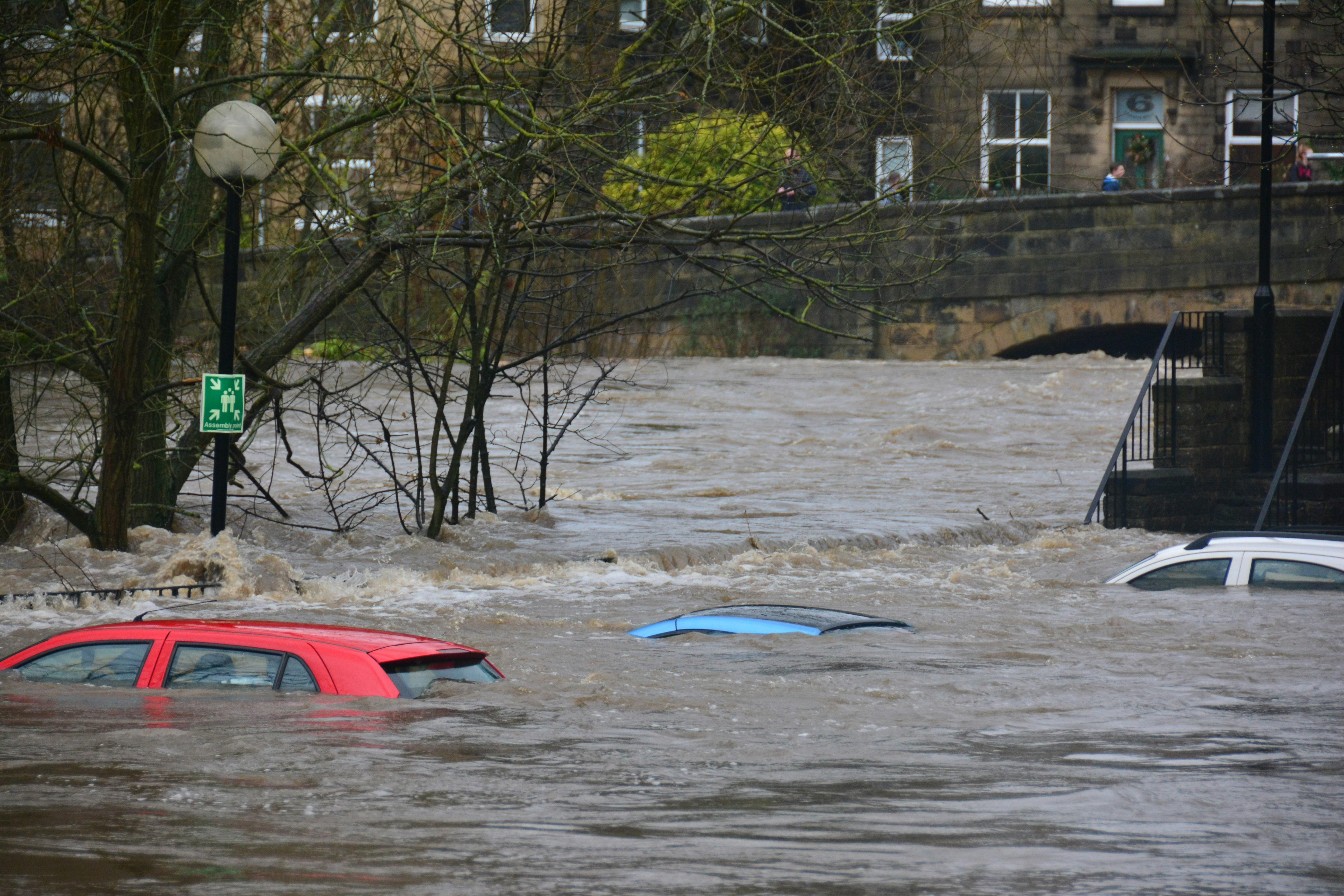
In March 2026, a consortium of insurers launched a tokenized catastrophe bond aimed at covering flood risk in Southeast Asia. The bond was issued on a public blockchain, and each token represented a $1,000 share of the underlying security. The smart contract was programmed to check weather data from an oracle service; if flood losses in the covered region exceeded $500 million, the contract automatically transferred the principal to the insurer’s wallet. Investors who held the tokens received a 7 % annual yield as compensation for the risk.
What this means for you
Tokenized cat bonds open a new avenue for earning passive income while contributing to disaster resilience. Because the tokens are tradable on secondary markets, you can enter or exit the investment without the lengthy processes typical of traditional securities. The higher yields—often 5 % to 10 %—reflect the risk that a natural disaster could wipe out your principal.
However, the risk profile is different from typical crypto staking or lending. The payout depends on real‑world events, not on blockchain activity. If a qualifying disaster occurs, you could lose most or all of your investment, just as you would with a conventional cat bond.
How to evaluate a tokenized catastrophe bond
- Understand the trigger: Read the bond’s prospectus to see what specific event, location, and loss threshold will activate the payout.
- Check the issuer’s credibility: Look for established insurers or re‑insurers with a track record in cat bond markets.
- Assess the oracle: The data source that feeds weather or loss information into the smart contract must be reliable and tamper‑proof.
- Review liquidity: Verify whether the token is listed on reputable secondary markets and what typical trading volumes look like.
- Consider diversification: Spread your capital across multiple bonds with different geographic and peril exposures to reduce the chance of a total loss.
FAQ
Do tokenized cat bonds count as crypto assets?
Yes, they are issued on a blockchain and transferred as tokens, so they fall under the broader category of crypto assets. However, their value is tied to insurance risk rather than typical market speculation.
Can I earn interest if the bond never triggers?
Investors receive periodic interest payments—often semi‑annual or annual—provided the trigger event does not occur. The interest compensates for the risk you assume.
What happens to my tokens if a disaster occurs?
If the defined trigger is met, the smart contract automatically transfers the principal to the insurer. Your tokens become worthless, and you lose the invested amount.
Are these investments regulated?
Tokenized cat bonds are subject to securities regulation in many jurisdictions. The issuer must comply with local securities laws, and investors may need to meet certain accreditation criteria.
This article references reporting from coindesk.com.





