
Are you wondering whether to keep your Bitcoin in a personal hardware wallet or to entrust it to a Bitcoin exchange‑traded fund (ETF)? This article explains the core differences between self‑custody and institutional custody, how each method works, and what factors you should weigh before deciding where to store your crypto.
What self‑custody and Bitcoin ETFs actually are
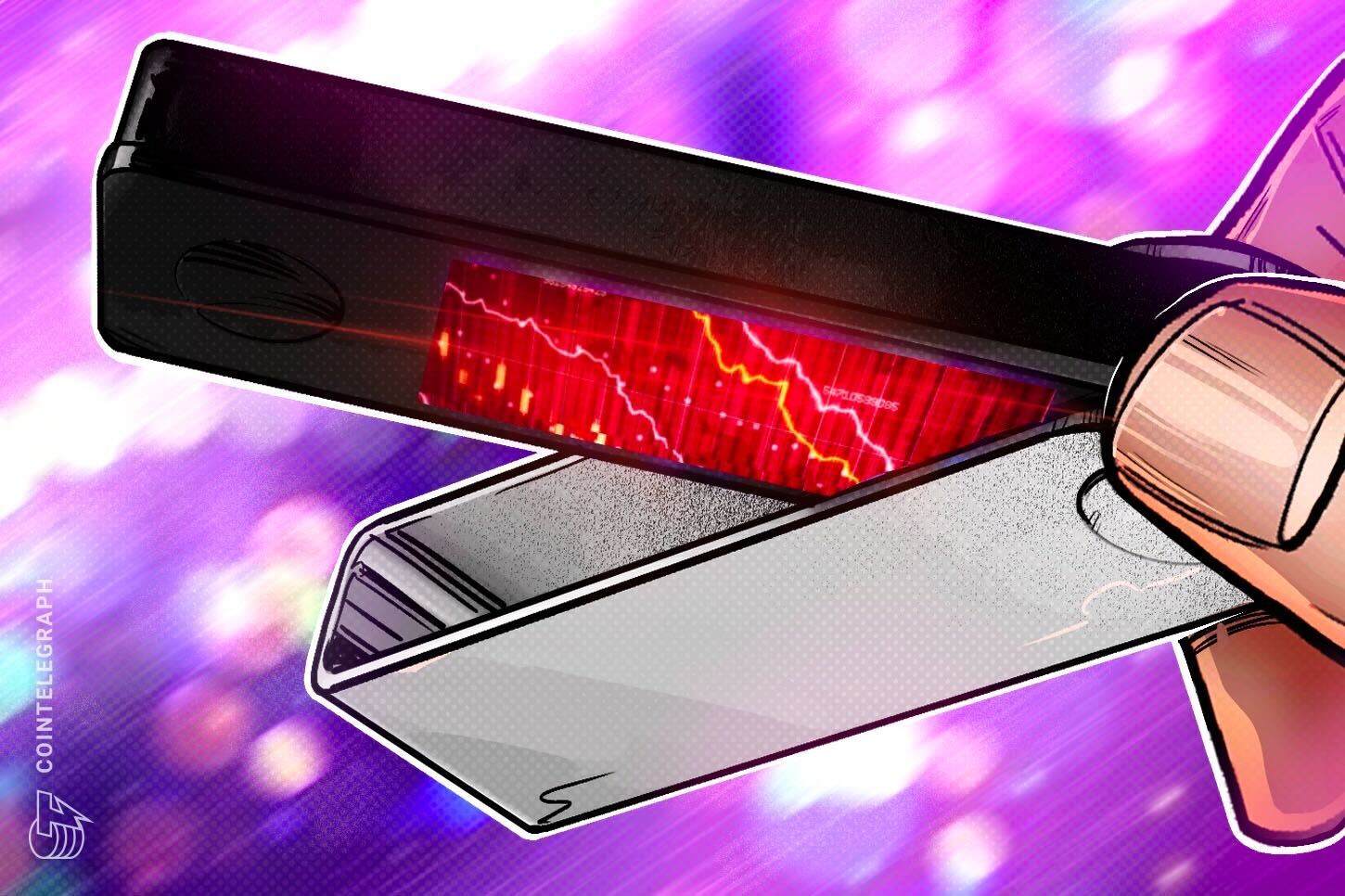
Self‑custody means you hold the private keys that control your Bitcoin. The most common tool for this is a hardware wallet, a small, offline device that stores your keys on a secure chip. Because the device never connects to the internet, it is often called “cold storage.” To move funds, you plug the wallet into a computer or phone, sign a transaction with your private key, and then disconnect.
A Bitcoin ETF is a financial product listed on a traditional stock exchange. The ETF holds Bitcoin on behalf of investors, and you own shares that represent a proportional claim on the underlying assets. The ETF provider is responsible for securing the Bitcoin, typically using a combination of institutional‑grade cold storage, multi‑signature vaults, and insurance policies. You buy and sell ETF shares just like any other stock, and the provider handles the technical custody.
Both approaches aim to protect your assets from theft, loss, and hacking, but they do so in fundamentally different ways. Self‑custody puts full control—and full responsibility—in your hands. Institutional custody delegates the technical burden to a professional, but you must trust that the custodian follows best‑practice security protocols.
Real‑world illustration: Ledger implant and the ETF debate
In October 2026, a compromised Ledger hardware wallet was found to contain an unauthorized implant that could siphon funds. Blockchain investigators estimated potential losses of up to $86 million. The incident sparked renewed discussion about whether Bitcoin ETFs might offer a safer alternative for investors who lack the technical expertise to set up and maintain a hardware wallet correctly.
Prominent voices weighed in. Bitcoin analyst Plan B, who moved his holdings to ETFs in 2025, said the Ledger exploit confirmed his decision was “zero regrets.” 21Shares co‑founder Ophelia Snyder highlighted that large holders have been shifting to ETFs for “enhanced security.” Meanwhile, Blockstream CEO Adam Back cautioned that hardware‑wallet manufacturers need better threat modelling, and security researcher Jameson Lopp warned against mass migrations that could create new central points of failure.
What this means for you
If you are comfortable managing private keys, a hardware wallet can give you direct ownership and avoid any third‑party fees. However, you must follow strict security practices: use a reputable device, keep your recovery phrase offline, verify firmware signatures, and protect the device from physical tampering.
If you prefer a hands‑off approach, a Bitcoin ETF removes the need to handle keys. You benefit from professional security measures, potential insurance coverage, and the ability to trade your exposure through a regular brokerage account. The trade‑off is that you rely on the custodian’s security controls and may incur management fees.
Both options carry risks. Hardware wallets can be compromised by supply‑chain attacks, firmware bugs, or user error. ETFs can suffer from custodial breaches, regulatory changes, or mismanagement of the underlying assets. Understanding these risks helps you align your choice with your risk tolerance and technical skill level.
How to evaluate a custody solution
- Security track record: Look for documented audits, breach history, and independent security assessments of the hardware wallet or the ETF custodian.
- Threat modelling: Check whether the provider publicly discusses how they protect against supply‑chain attacks, firmware tampering, and physical intrusion.
- Insurance and guarantees: Some ETFs offer insurance policies that cover theft or loss of the underlying Bitcoin. Hardware wallets typically do not.
- Fees and liquidity: Compare the expense ratio of the ETF with the one‑time cost of a hardware wallet and any ongoing transaction fees.
- Control vs convenience: Decide if you value having direct control over your private keys or the convenience of buying and selling through a brokerage.
FAQ
Is a hardware wallet always safer than an ETF?
Not necessarily. A hardware wallet eliminates third‑party risk but introduces user‑error risk. An ETF can provide professional security and insurance, but you must trust the custodian’s practices.
What should I do if I already own a compromised hardware wallet?
Immediately transfer any remaining funds to a new, verified device or to a trusted custodial solution. Also, report the issue to the manufacturer and follow any recovery instructions they provide.
Can I combine both approaches?
Yes. Some investors keep a portion of their Bitcoin in a hardware wallet for direct ownership and hold the rest in an ETF for liquidity and professional custody.
Do Bitcoin ETFs expose me to regulatory risk?
Because ETFs are regulated financial products, changes in securities law or tax treatment can affect your holdings. Stay informed about the regulatory environment in your jurisdiction.
This article references reporting from cointelegraph.com.





