
Are you wondering why Bitcoin and other crypto assets sometimes move in the opposite direction of the U.S. dollar? This article explains the relationship between fiat currency strength and crypto prices, and what that means for anyone trying to earn online through trading or mining.
What the dollar‑crypto link actually is
The U.S. dollar (USD) is the world’s primary reserve currency. Its value is measured against a basket of other currencies in the U.S. Dollar Index (DXY). When the dollar strengthens, it means investors can buy more foreign currency or assets with each dollar. Because most cryptocurrencies are priced in USD on exchanges, a stronger dollar makes each coin appear cheaper in dollar terms, even if the underlying demand for the crypto hasn’t changed.
Two main mechanisms drive this effect:
- Currency conversion impact. Most crypto traders around the world convert their local money into dollars before buying Bitcoin, Ethereum, or other tokens. If the dollar is strong, it takes more of their local currency to obtain a dollar, reducing the amount they can spend on crypto.
- Investment flow shift. A strong dollar often coincides with higher yields on U.S. Treasury bonds and other safe‑haven assets. When bond yields rise, risk‑on assets like crypto become relatively less attractive, prompting some investors to move money out of crypto and into bonds.
These forces work together to create an inverse correlation: as the dollar climbs, crypto prices tend to dip, and vice versa. The relationship isn’t perfect—news, network upgrades, and regulatory changes can override it—but it’s a reliable baseline for understanding price swings.
Real‑world illustration
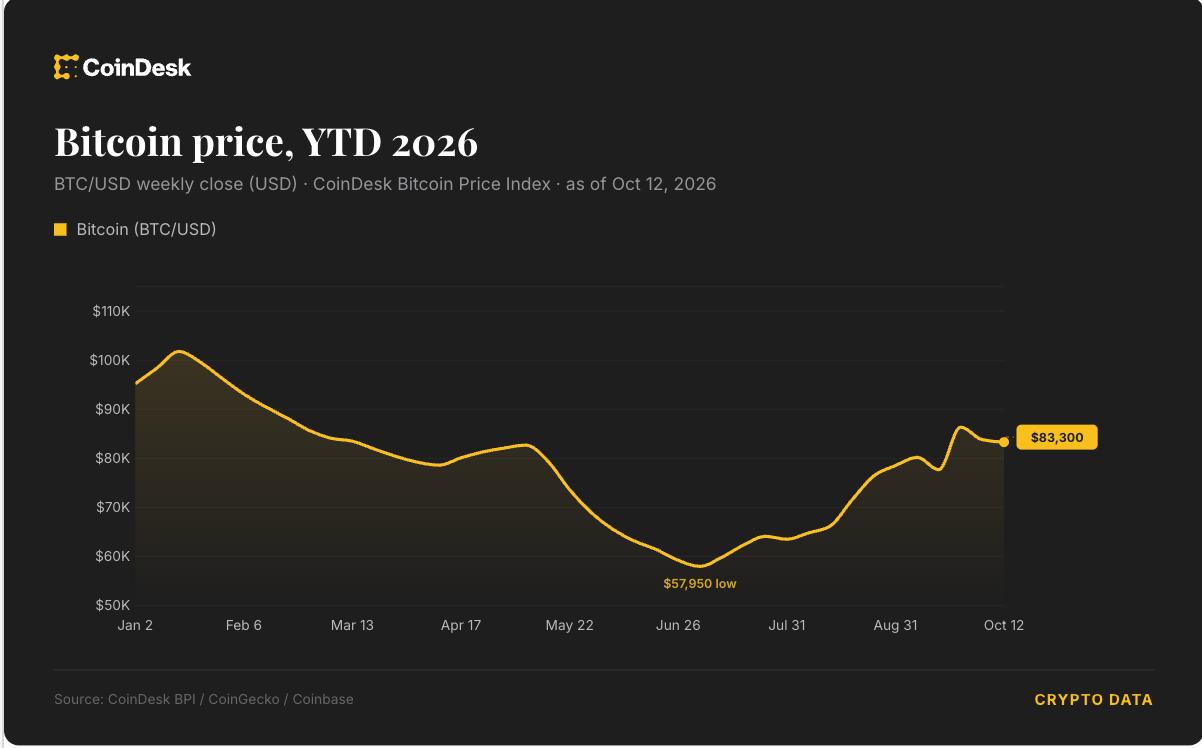
In early March 2026, Bitcoin was trading just above $83,000 while the DXY index stayed above 102.4, indicating a firm dollar. At the same time, U.S. Treasury yields were rising, and gold slipped slightly. Analysts noted that the strong dollar and higher yields were keeping markets “on edge,” which helped explain why Bitcoin’s price was under pressure despite overall bullish sentiment in the crypto community.
What this means for you
If you earn crypto through mining, staking, or cloud‑based rewards, a rising dollar can reduce the dollar value of your payouts even when the number of tokens you receive stays the same. Conversely, a weakening dollar can boost the apparent earnings in fiat terms.
For traders, monitoring the dollar index and bond yields provides an extra layer of insight. A sudden spike in the DXY or a jump in Treasury yields often precedes a short‑term dip in crypto prices, offering potential entry points for buying the dip or tightening stop‑loss orders.
How to evaluate the impact
- Track the DXY. Websites that publish the U.S. Dollar Index update it in real time. A sustained move above 102 suggests a strong dollar environment.
- Watch Treasury yields. The 10‑year and long‑dated (e.g., TLT ETF) yields are good proxies for the risk‑free rate. Rising yields usually signal a shift toward safer assets.
- Check conversion rates. If you convert from a non‑USD currency, calculate how many of your local units are needed for one dollar. A higher cost reduces your buying power for crypto.
- Combine with on‑chain data. Look at network activity (hashrate, transaction volume) to see whether price moves are driven by dollar strength or genuine changes in crypto demand.
FAQ
Why doesn’t Bitcoin always drop when the dollar rises?
Crypto markets are influenced by many factors—technology upgrades, regulatory news, and macro‑economic events. A strong dollar is just one piece of the puzzle, so other positive catalysts can offset its downward pressure.
Can I protect my earnings from dollar fluctuations?
One common approach is to diversify: hold a mix of stablecoins, fiat, and crypto assets. Some earners also convert a portion of their rewards to a currency with a weaker correlation to the dollar, such as the euro or a stablecoin pegged to a basket of currencies.
Do all cryptocurrencies react the same way to dollar strength?
Most major coins priced in USD show a similar inverse pattern, but the magnitude varies. Tokens with strong use‑case demand (e.g., decentralized finance platforms) may be less sensitive than pure store‑of‑value assets like Bitcoin.
Is the dollar‑crypto relationship useful for long‑term investors?
Yes, because it helps set realistic expectations for fiat‑denominated returns. Understanding that a strong dollar can erode dollar‑value earnings allows long‑term holders to plan for periods of lower apparent profit without assuming the crypto itself is underperforming.
This article references reporting from coindesk.com.





