
Are you wondering why big shifts in wealth can spark interest in cryptocurrencies? This article explains how large‑scale wealth transfers work and why they often lead to increased demand for crypto assets.
What a wealth transfer is and why it matters
A wealth transfer refers to the movement of large amounts of money from one group or generation to another. This can happen through inheritances, pension payouts, the sale of assets, or major economic events that reshape who holds capital. When billions or trillions of dollars change hands, investors look for ways to preserve, grow, or diversify that wealth.
Cryptocurrencies are one of the options that attract attention during such periods. They offer a combination of potential upside, diversification away from traditional markets, and exposure to a technology that many believe will shape the future of finance. However, the appeal is not just about price speculation; it also involves the underlying mechanisms that make crypto a distinct asset class.
How wealth transfers translate into crypto buying pressure
When a large pool of capital becomes available, investors typically allocate it across several categories: stocks, bonds, real estate, and alternatives. Crypto falls under the “alternative” bucket. The size of the allocation depends on three factors:
- Risk tolerance: New wealth may be earmarked for higher‑risk, higher‑potential‑return assets.
- Diversification goals: Adding an asset that behaves differently from equities can reduce overall portfolio volatility.
- Technology exposure: Some investors want direct exposure to blockchain technology without buying individual stocks.
When many investors make similar decisions at the same time, demand for crypto assets rises. Higher demand can push up prices, increase trading volume, and attract even more participants—a feedback loop that can last for months or years.
Real‑world illustration: Bitmine’s ether purchases
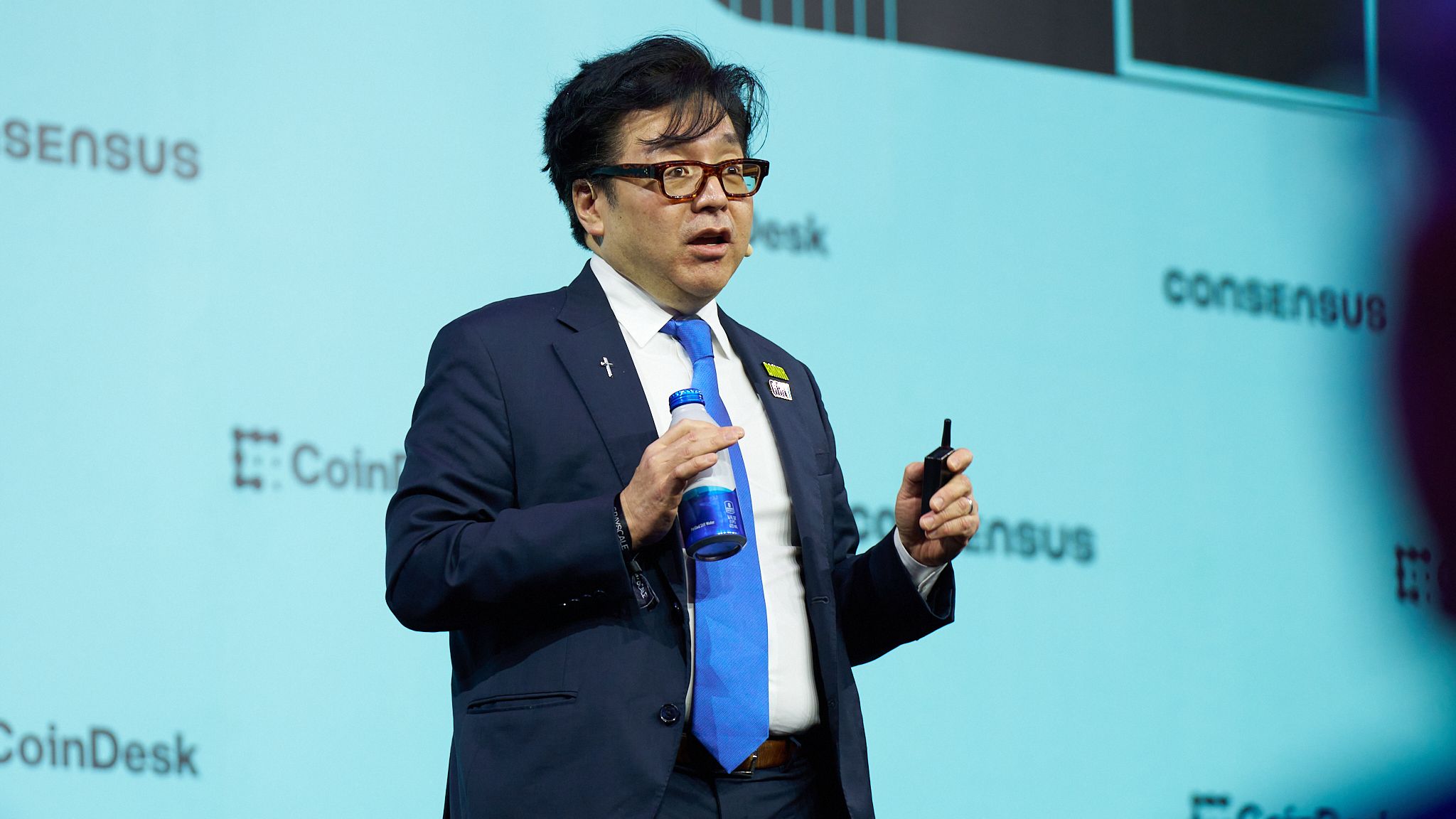
In March 2026, market analyst Tom Lee highlighted a projected $2 trillion wealth transfer that he expects will boost demand for crypto assets. Around the same period, mining firm Bitmine announced that it was buying additional ether (the native token of the Ethereum network). Bitmine’s move illustrates how institutional players respond to macro‑level wealth shifts: they increase exposure to crypto by acquiring a core blockchain asset.
What this means for you, the everyday crypto earner
If you are looking to earn passive income through staking, cloud mining, or other blockchain‑based services, a wealth transfer can create a more favorable environment. More capital flowing into crypto often leads to higher network activity, which can improve reward rates for participants who provide security or liquidity. At the same time, increased demand can raise the market price of the tokens you earn, potentially boosting your overall return.
However, larger inflows also bring more competition and can increase price volatility. It’s important to balance the potential upside with the risk that rapid price swings may affect the value of your earnings.
How to evaluate whether a crypto opportunity is worth your time
- Check the source of capital: Identify if the demand is driven by genuine wealth transfers, institutional adoption, or short‑term hype.
- Assess the token’s utility: Tokens that power widely used platforms (like ether for decentralized applications) tend to retain value better than speculative coins.
- Review reward structures: Look at how staking or mining rewards are calculated and whether they are sustainable as the network grows.
- Consider liquidity: Ensure you can easily convert earned tokens to fiat or other assets without excessive slippage.
- Monitor regulatory developments: Large wealth movements can attract regulatory scrutiny, which may affect the legal environment for crypto activities.
FAQ
Why does a wealth transfer affect crypto more than traditional assets?
Crypto offers a way to diversify away from traditional markets and provides direct exposure to blockchain technology, which many investors view as a long‑term growth sector. Large pools of new capital often seek such diversification.
Is buying ether a good proxy for participating in a wealth transfer?
Ether is a core utility token for the Ethereum network, used for transaction fees and decentralized applications. Purchasing ether can be a way to gain exposure to the broader ecosystem, but it should fit within a balanced portfolio.
Can I benefit from a wealth transfer without directly buying tokens?
Yes. You can earn crypto through staking, providing liquidity, or using cloud‑mining services that reward you with tokens. These methods let you participate in network growth without a large upfront purchase.
What risks should I watch for during a wealth transfer period?
Increased demand can lead to price spikes followed by corrections, higher competition for rewards, and potential regulatory changes. Always allocate only what you can afford to lose and diversify across multiple assets.
This article references reporting from coindesk.com.





