Are you wondering why a sudden jump or dip in Bitcoin’s price matters to your mining earnings? This article explains how Bitcoin’s price swings affect mining profitability and what you can do to manage the risk.
What price volatility means for mining
Bitcoin mining is the process of using computer hardware to solve complex mathematical puzzles, securing the network and creating new coins. Miners are rewarded with newly minted Bitcoin (the block reward) plus any transaction fees included in the block. The revenue a miner earns is therefore tied directly to the market price of Bitcoin at the time the block is found.
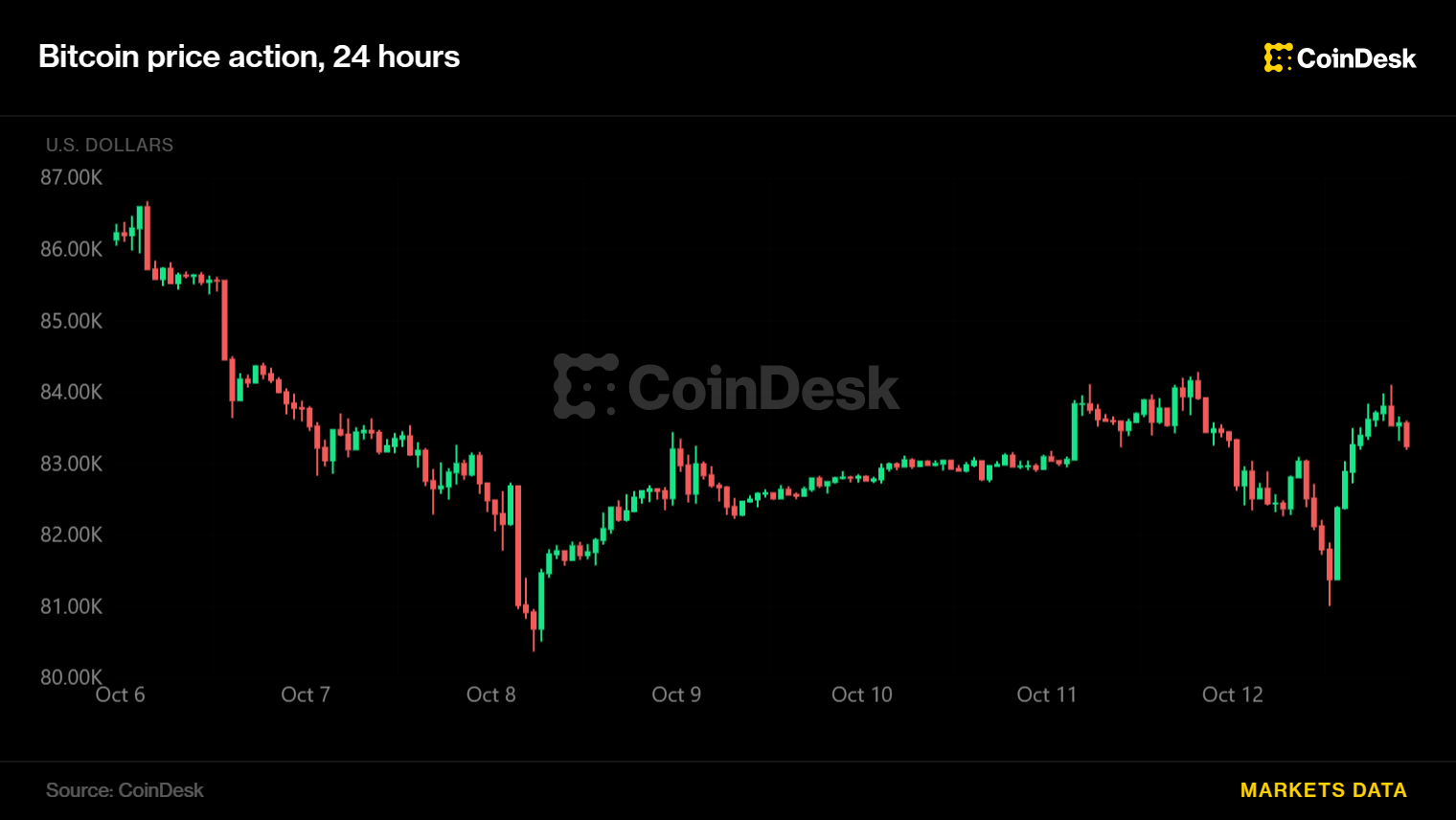
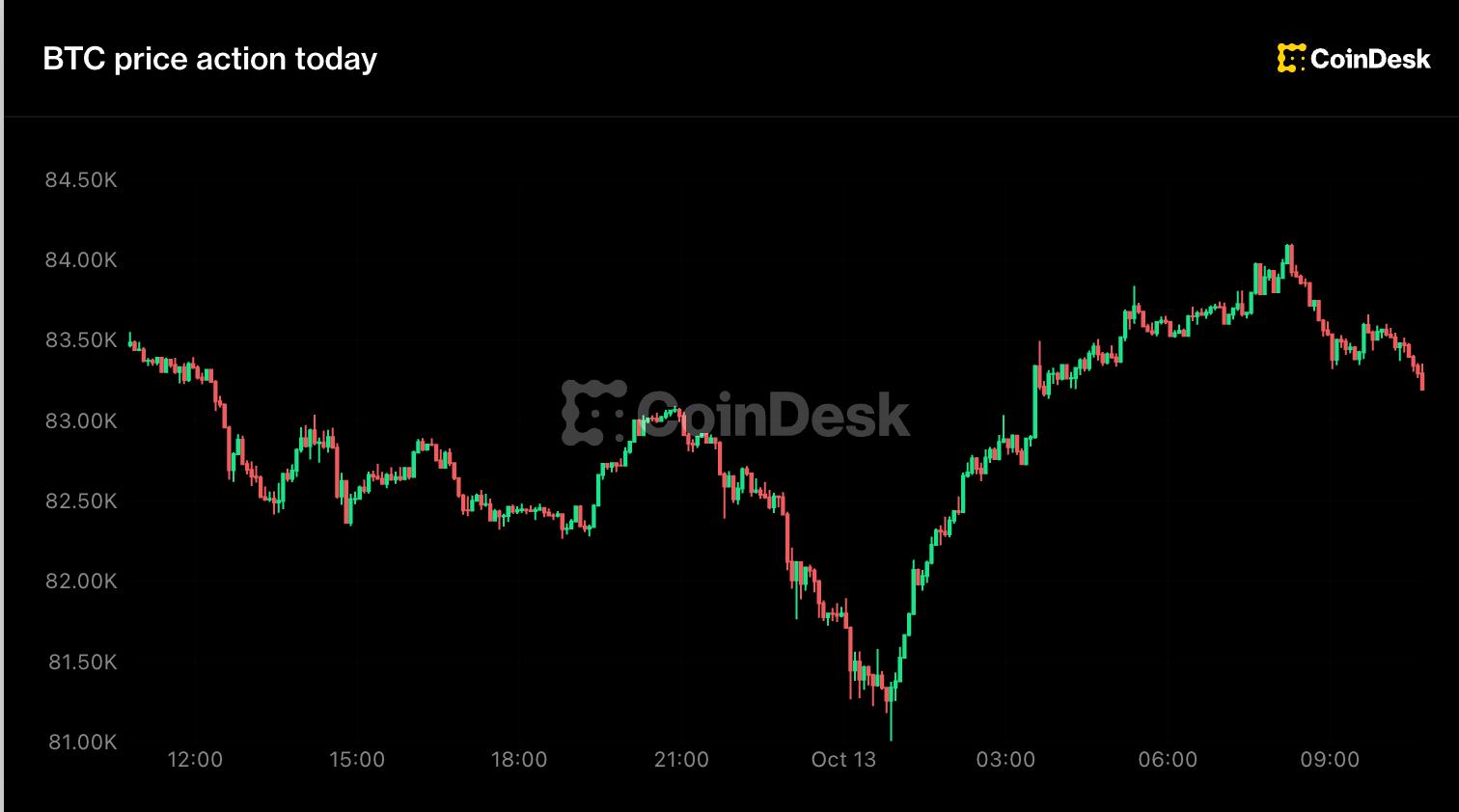
“Price volatility” refers to how quickly and how far the price of an asset moves up or down. For Bitcoin, price can swing by thousands of dollars in a single day, as seen when it moved between $81,000 and $84,000 within 24 hours. When the price rises, the dollar value of each block reward increases, boosting a miner’s revenue. When the price falls, the opposite happens.
However, the cost side of mining—electricity, hardware depreciation, and maintenance—does not change with Bitcoin’s price. This creates a profit margin that expands when the price is high and contracts when it is low. If the price drops far enough, a miner can end up operating at a loss, especially if they are using older, less efficient equipment.
Real‑world illustration
In March 2026, Bitcoin’s price oscillated between $81,000 and $84,000 over a 24‑hour period, while many altcoins fell sharply. The Crypto Fear & Greed Index, a sentiment gauge, slipped to 57, still in “greed” territory but the lowest since September 2023. Such rapid price movement illustrates how quickly a miner’s daily revenue can change, even if the underlying hash rate and network difficulty stay constant.
What this means for you
If you are running a home mining rig, joining a mining pool, or using a cloud‑mining service, price volatility directly influences the amount of fiat you can expect to earn. During a price rally, your earnings in dollars will look healthier, which may cover electricity costs and even generate profit. During a dip, the same amount of Bitcoin earned may not cover those costs, turning the operation into a net loss.
Understanding this dynamic helps you set realistic expectations and avoid surprise deficits. It also highlights the importance of tracking both Bitcoin’s market price and your own cost structure.
How to evaluate mining profitability amid volatility
- Calculate break‑even cost per Bitcoin. Add electricity price (kWh cost × power consumption), hardware depreciation, and any pool fees. Compare this total to the current Bitcoin price.
- Monitor network difficulty. Difficulty adjusts roughly every two weeks to keep block times at 10 minutes. Higher difficulty means more hash power is needed for the same reward, reducing profit.
- Use profitability calculators. Online tools let you input your hardware’s hash rate, power draw, electricity cost, and the current Bitcoin price to estimate daily profit or loss.
- Consider diversification. Some miners allocate a portion of their hardware to mine other proof‑of‑work coins that may be less volatile or have higher short‑term rewards.
- Plan for price drops. Keep a reserve fund to cover operating costs during bearish periods, or set a threshold to shut down rigs when the price falls below your break‑even point.
FAQ
Why does my mining revenue in dollars change even though I’m earning the same amount of Bitcoin?
Because the dollar value of each Bitcoin fluctuates with market price. If Bitcoin’s price rises, the same number of coins translates to more dollars; if it falls, the dollar amount drops.
Can I protect myself from Bitcoin price drops?
While you can’t control market price, you can mitigate risk by reducing operating costs, using more efficient hardware, or temporarily pausing mining when the price falls below your break‑even level.
Do mining pools help with price volatility?
Pools smooth out the timing of rewards by sharing block rewards among many participants, but they do not eliminate the impact of price changes on the dollar value of those rewards.
Is cloud mining safer against price swings?
Cloud mining contracts lock in a specific hash rate and often include a fixed fee structure, which can make cost planning easier. However, the revenue you receive still depends on Bitcoin’s market price, so the same volatility applies.
This article references reporting from coindesk.com.