Are you wondering whether Bitcoin moves in lockstep with the stock market, and how that relationship impacts your online earnings? This article explains how Bitcoin’s price correlation with equities works, why it can change, and what that means for anyone looking to earn crypto passively.
What correlation means and how it works
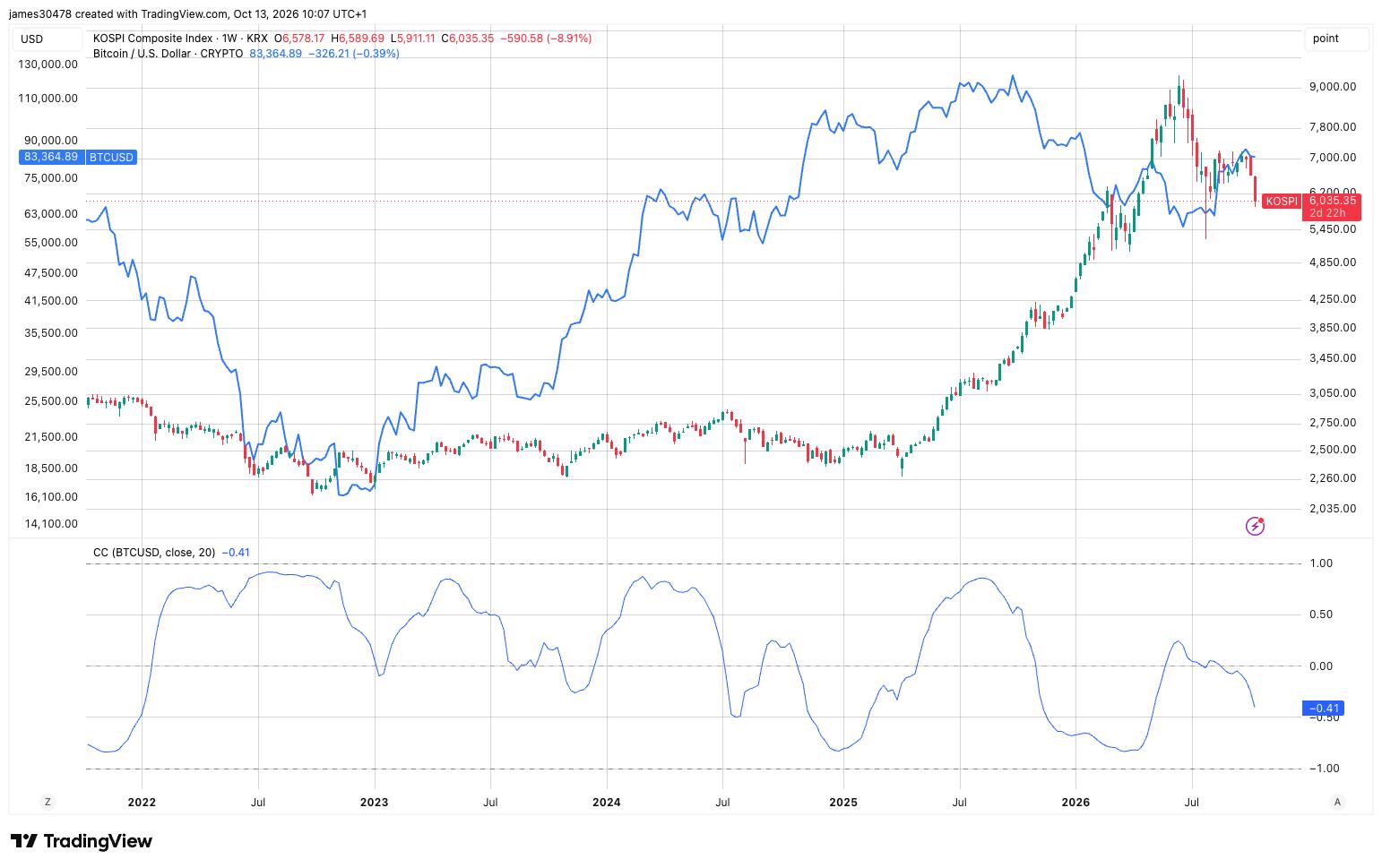
In finance, correlation measures how two assets’ prices move together. A correlation of +1 means they always rise and fall together, 0 means no relationship, and –1 means they move in opposite directions. Bitcoin, like any asset, can have a positive, negative, or neutral correlation with stock indices such as the South Korean Kospi or the U.S. Nasdaq.
Several factors drive this relationship:
- Risk sentiment: When investors feel confident, they often buy riskier assets like stocks and Bitcoin together, creating a positive correlation.
- Macro‑economic news: Interest‑rate changes, inflation data, or geopolitical events can affect both markets simultaneously.
- Market participants: Institutional investors who trade both equities and crypto can cause price movements to line up.
- Technological or sector news: Developments specific to a region or industry—such as AI concerns in South Korea—can push local stocks while leaving Bitcoin untouched, leading to divergence.
Correlation is not static; it shifts over time as the underlying drivers change. Understanding these shifts helps you gauge the risk of relying on Bitcoin’s price movements for income.
Real‑world illustration
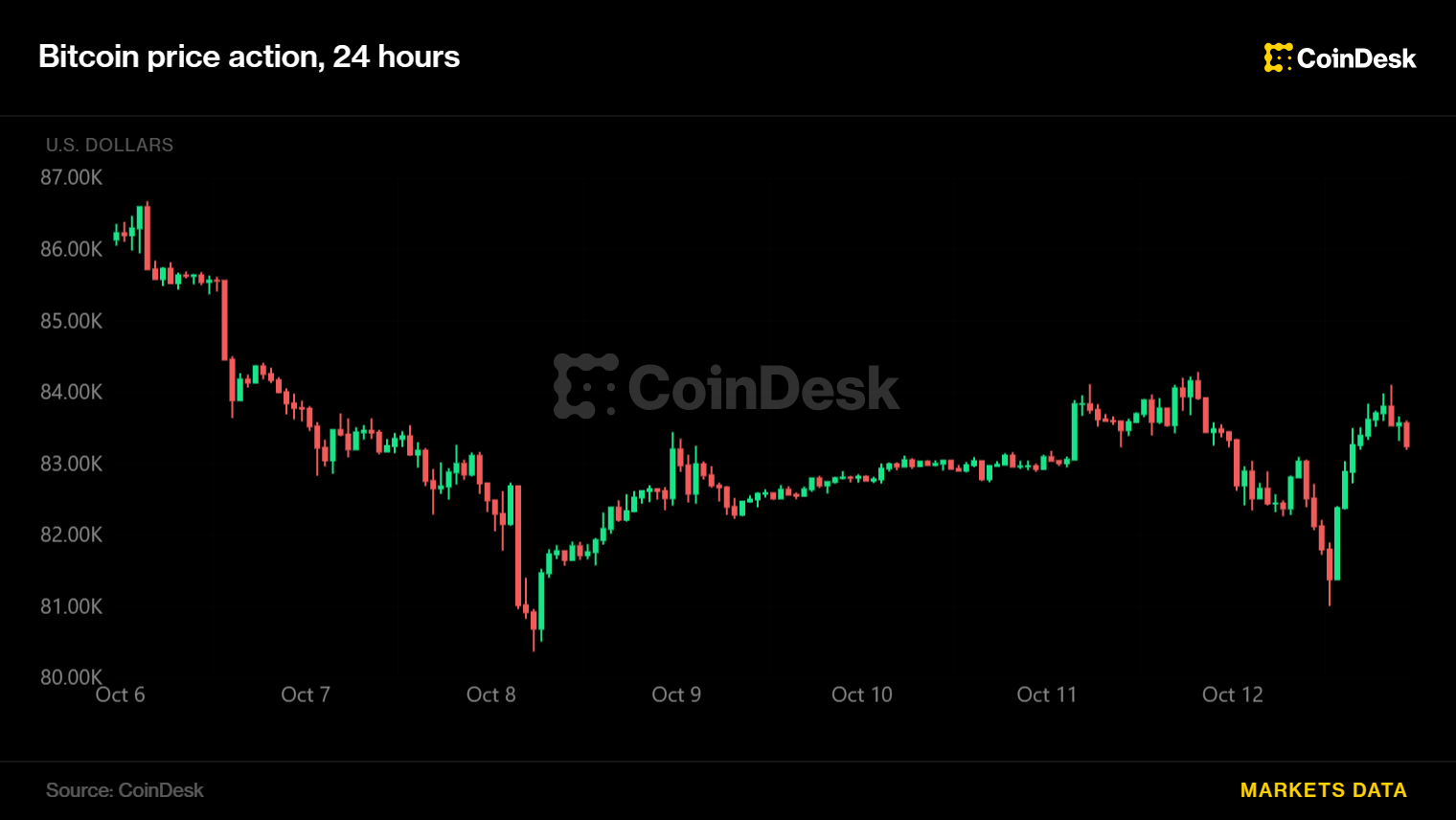
In March 2026, Bitcoin’s price bounced between $81,000 and $84,000 while South Korean stocks on the Kospi fell sharply. Analysts linked the sell‑off to growing concerns about artificial‑intelligence regulation in the region. Despite the stock market downturn, Bitcoin “decoupled” and even rebounded above $83,000, showing a temporary negative or neutral correlation with the Kospi.
What this means for you
If you earn crypto through mining, staking, or cloud‑based rewards, the correlation between Bitcoin and stocks influences two key aspects of your income:
- Revenue stability: When Bitcoin tracks the broader market, a stock market crash can also depress Bitcoin rewards, reducing your passive income.
- Opportunity timing: A divergence—like the March 2026 example—means Bitcoin may hold or gain value while stocks fall, offering a chance to earn or reinvest when other assets are cheap.
Being aware of correlation trends lets you adjust your strategy, such as diversifying into assets that behave differently or timing the sale of earned tokens.
How to evaluate the correlation yourself
- Check a correlation matrix on a charting platform (e.g., TradingView) that lets you compare Bitcoin’s price to major indices over different time frames.
- Look for recent news that could affect one market more than the other—regulatory announcements, sector‑specific earnings, or macro‑economic data.
- Monitor the risk‑on/risk‑off sentiment index; a shift often precedes changes in correlation.
- Consider the proportion of institutional capital in your chosen earning method. Platforms that pool large institutional funds may see stronger correlation with equities.
FAQ
Is Bitcoin always a safe hedge against stock market crashes?
No. While Bitcoin has sometimes moved opposite to stocks, it has also risen and fallen with equities. Its hedge properties depend on the current correlation, which can change quickly.
How can I protect my earnings if Bitcoin’s price drops alongside stocks?
One approach is to diversify your crypto earnings across assets with low or negative correlation to Bitcoin, such as certain stablecoins that earn real‑world yield or green mining pools that reward with alternative tokens.
Do I need sophisticated tools to track correlation?
Basic free charting sites provide correlation coefficients and visual overlays. For most casual earners, checking weekly trends is sufficient.
Can regulatory news in one country affect Bitcoin’s global price?
Yes, especially if the news impacts a major market’s risk sentiment. The March 2026 AI concerns in South Korea influenced local stocks but left Bitcoin largely unaffected, demonstrating how regional events can create temporary divergence.
This article references reporting from coindesk.com.