Are you wondering why Bitcoin often stalls at certain price levels despite overall market momentum? This article explains how order‑book resistance forms, what it means for price action, and how you can use that knowledge when earning or trading crypto.
What is order‑book resistance?
The order book is a live list of buy (bid) and sell (ask) orders on an exchange. Each order shows how many coins a trader wants to buy or sell at a specific price. When many sell orders cluster around a particular price, they create a “wall” of supply. As the market price climbs, it must consume that supply before moving higher. If the wall is large enough, the price can pause or reverse, a phenomenon called resistance. The opposite—many buy orders clustered below a price—creates support, which can halt a decline.
Resistance is not a fixed rule; it reflects the collective expectations of market participants. Traders place sell orders at round numbers, recent highs, or levels where they anticipate profit‑taking. When those orders are sizable, they absorb buying pressure and can keep the price from breaking through.
Key terms:
- Bid: an order to buy at a specified price.
- Ask: an order to sell at a specified price.
- Liquidity: the amount of volume available at each price level. High liquidity means large orders can be filled without moving the price much.
- Wall: a concentration of orders that is large relative to typical market depth.
Real‑world illustration
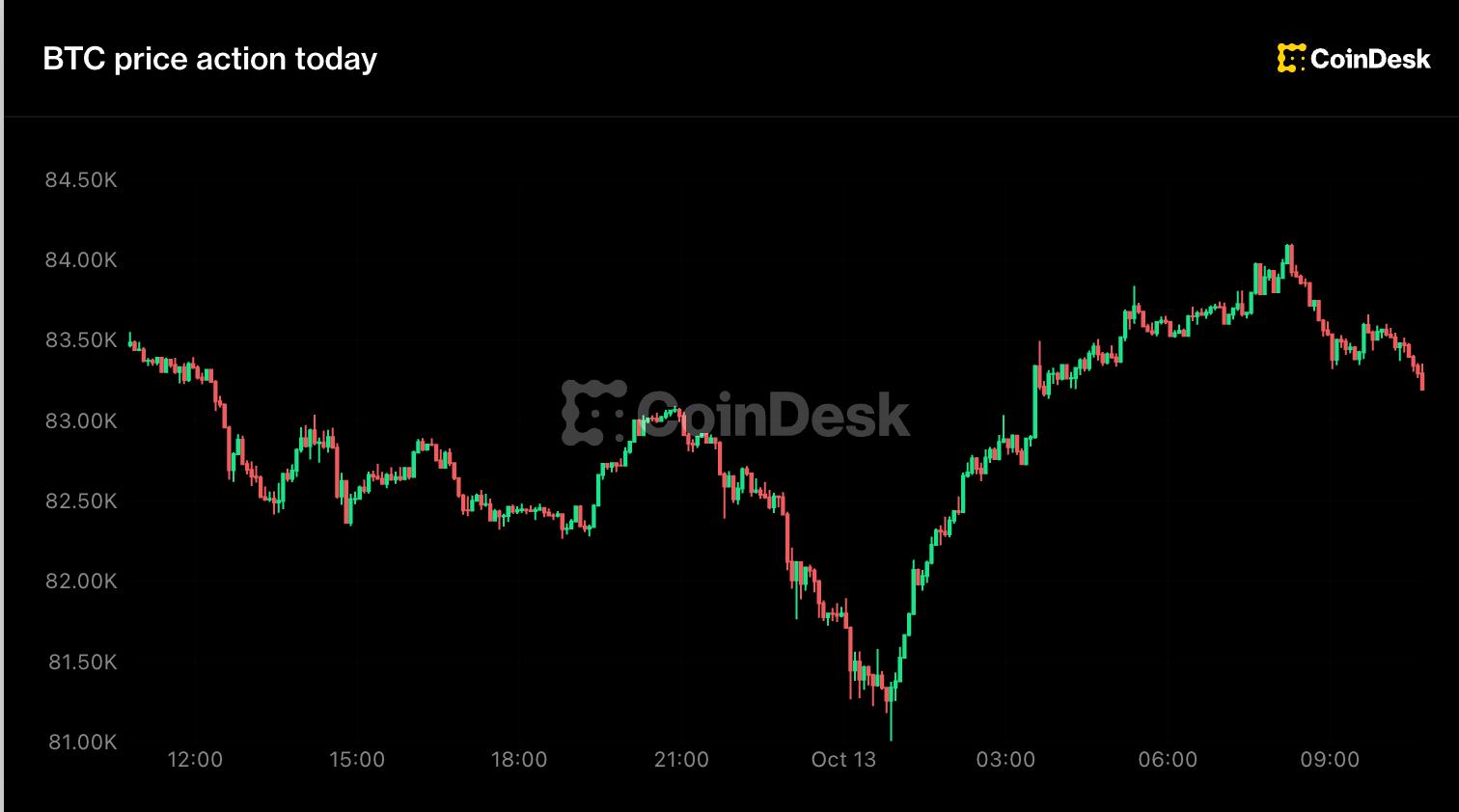
In October 2026, Bitcoin approached the $84,000 level. Data from CoinGlass showed a thickening band of ask liquidity near that price, forming a clear resistance wall. As a result, Bitcoin’s price rose to $83,944 on Bitstamp but could not sustain a breakout above $84,000. The market’s order books effectively capped the upside, illustrating how a clustered sell side can dictate short‑term price limits even when broader sentiment is bullish.
What it means for you
If you aim to earn passive income through crypto trading, mining, or cloud‑reward platforms, understanding resistance helps you time entries and exits more effectively. Recognizing a strong resistance level can:
- Signal a potential price pullback, allowing you to set tighter stop‑losses.
- Offer a chance to place limit sell orders just below the wall, capturing profit if the price rebounds.
- Guide you in selecting mining periods: when Bitcoin is near a resistance level, miners may experience higher transaction fees as traders rush to execute trades, potentially boosting short‑term earnings.
What to check – a quick checklist
- Depth charts: Look at the visual representation of the order book on your exchange. Large vertical spikes on the ask side indicate resistance.
- Recent price history: Identify levels where the price has stalled multiple times; these are likely to become future walls.
- Volume spikes: Sudden increases in trading volume near a price level often precede the formation of a wall.
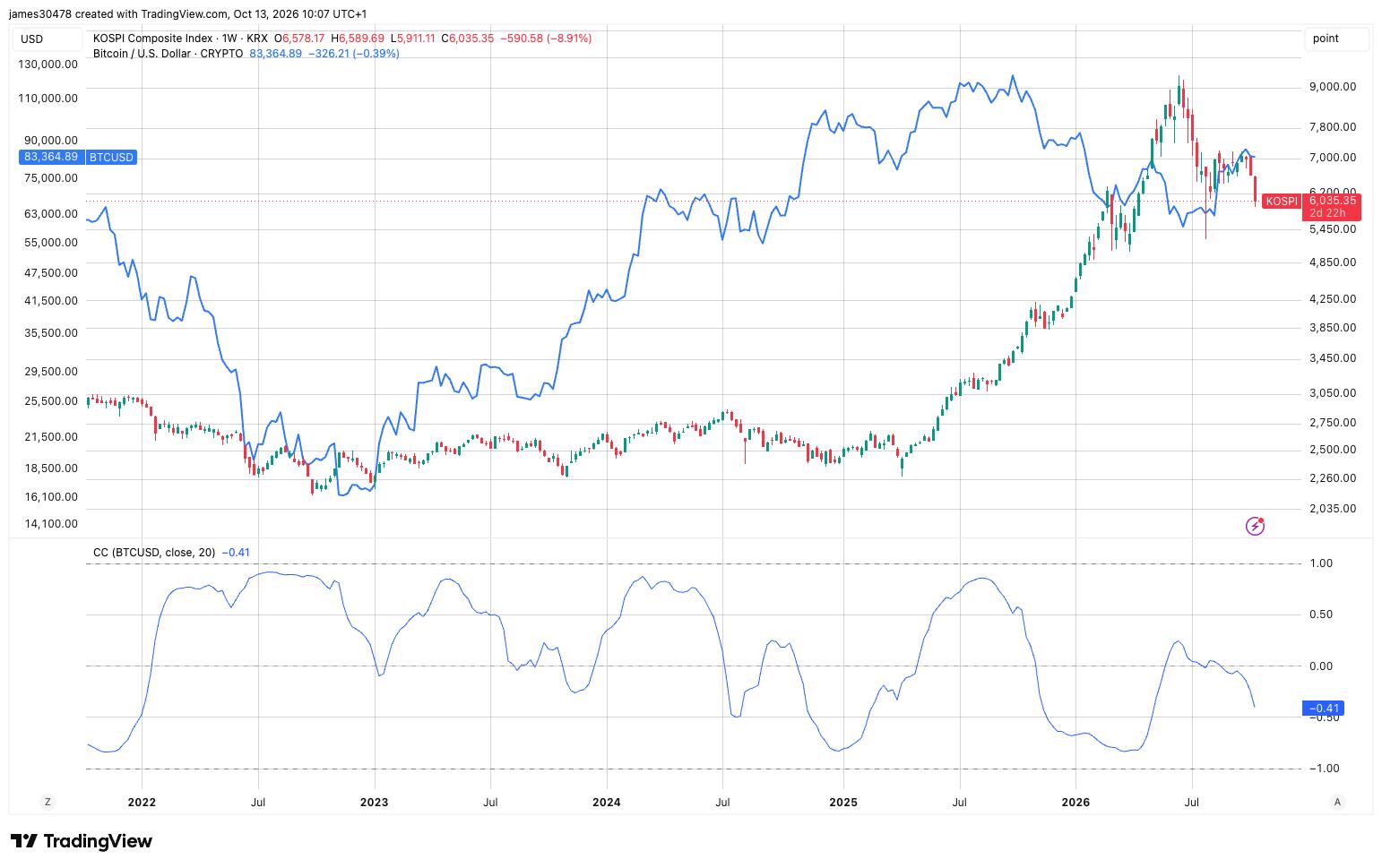
- Market sentiment: News, macro data, or sector moves (like the Korean tech sell‑off in 2026) can shift where traders place orders.
- Liquidity providers: Some platforms, including EcoPool’s mining pools, may influence order‑book depth through large sell‑side positions. Be aware of such actors if you trade on the same exchange.
FAQ
Why does Bitcoin often respect round numbers like $80,000 or $84,000?
Round numbers act as psychological anchors. Many traders set buy or sell orders at these levels, creating natural walls that the market must overcome.
Can resistance be broken permanently?
Yes. If buying pressure exceeds the supply at the wall, the price can break through, turning the former resistance into new support. Sustained momentum and strong fundamentals are usually needed for a lasting break.
How does order‑book resistance affect mining rewards?
When Bitcoin hovers near resistance, transaction activity often spikes as traders attempt to execute before a potential breakout. Higher transaction volume can raise average block fees, which adds to miners’ earnings alongside the block subsidy.
Is it safe to place limit orders right below a resistance wall?
Placing limit sell orders just below a known wall can capture profit if the price rebounds. However, if the wall is broken, your order may be executed at a lower price than expected. Use stop‑losses to manage that risk.
This article references reporting from cointelegraph.com.