Ever wondered what happens when a government takes control of cryptocurrency it believes is linked to illegal activity? This article explains the mechanics of crypto asset seizure, the legal processes behind it, and the practical implications for anyone who holds digital assets.
The plain explanation
When law enforcement agencies suspect that cryptocurrency is tied to crime—such as money laundering, fraud, or sanctions violations—they can request a court order to freeze or confiscate the assets. A court order is a legal directive that obliges the holder of the assets (often a cryptocurrency exchange, wallet provider, or custodian) to surrender control. Because crypto is stored on a blockchain, the actual “ownership” is represented by private keys. To seize the assets, authorities must either obtain those keys from a custodial service or compel the service to transfer the funds to a government‑controlled address.
Key terms you’ll encounter:
- Seizure: The legal act of taking possession of assets pending the outcome of a criminal or civil case.
- Custodian: A company that holds crypto on behalf of users, often managing private keys for them.
- Cold wallet: An offline storage device that keeps private keys away from the internet, making them harder to access without physical possession.
- Forfeiture: The final step where seized assets become the property of the state, usually after a conviction or civil judgment.
In many jurisdictions, the process begins with an investigation, followed by a request for a warrant or court order. If the assets are held by a custodian, the court can order the custodian to transfer the coins to a designated government wallet. If the assets are in a non‑custodial wallet—meaning the owner alone controls the private keys—authorities must locate the keys, which can be difficult without cooperation from the holder.
A real example
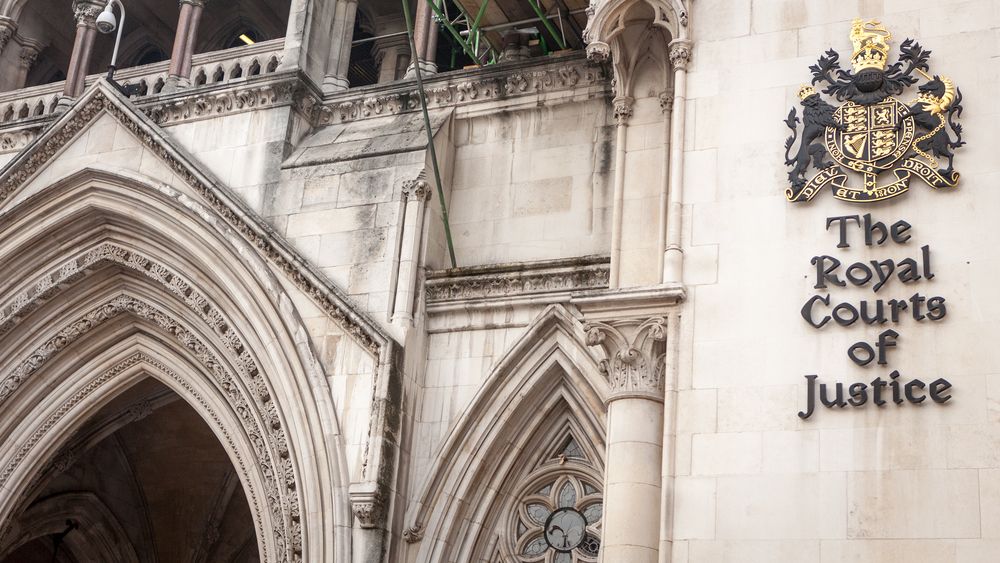
In March 2026, a UK court ruled that the government could retain approximately $5 billion worth of seized Bitcoin. The decision came after prosecutors argued that the funds were linked to illicit activity and that returning them would undermine law‑enforcement objectives. The court’s order required the custodian holding the Bitcoin to transfer the assets to a government‑controlled address, effectively turning the seized coins into state property pending further legal action.
What it means for you
If you store crypto with a reputable custodian—such as an exchange or a dedicated wallet service—your assets are subject to the same legal obligations as any other financial account. A court order can compel the custodian to freeze or move your holdings without your consent. This does not affect crypto stored in a personal cold wallet where you alone control the private keys; however, if law enforcement can compel you to reveal those keys, they may still obtain access.
For everyday earners and passive‑income seekers, the risk of seizure is generally low unless you are involved in high‑value transactions that attract regulatory scrutiny. Still, understanding the legal landscape helps you make informed decisions about where to keep your coins and how to protect your privacy.
What to check / how to judge
- Custodial vs. non‑custodial storage: Choose non‑custodial wallets if you want sole control over your private keys.
- Regulatory compliance of the custodian: Verify that the service follows Know‑Your‑Customer (KYC) and Anti‑Money‑Laundering (AML) rules, which can affect how quickly they must comply with a seizure order.
- Geographic jurisdiction: Assets held in jurisdictions with strict crypto regulations may be more vulnerable to seizure.
- Transaction history: Large or suspicious transfers can trigger investigations; keeping clear records can help demonstrate legitimate use.
FAQ
Can authorities seize Bitcoin from a non‑custodial wallet?
Only if they can obtain the private keys, either through a court order compelling you to reveal them or by gaining access through other means. Without the keys, the blockchain itself does not allow anyone to move the coins.
Does a seizure mean I lose all my money forever?
Not necessarily. Seized assets are often held pending the outcome of a legal case. If the owner is cleared, the assets may be returned. However, forfeiture after a conviction typically means the state retains the funds.
Will my crypto earnings be taxed if they are seized?
Tax obligations arise from the creation of taxable events, such as selling or earning crypto. Seizure itself does not create a taxable event, but any subsequent sale of the assets—by the government or the owner—could have tax implications.
How can I reduce the risk of my crypto being seized?
Use non‑custodial wallets where you control the keys, keep transaction volumes modest, and avoid engaging with services or jurisdictions known for aggressive enforcement. Maintaining good record‑keeping and compliance with local regulations also helps.
This article references reporting from coindesk.com.