Are you wondering whether a hardware wallet can truly keep your crypto safe? This article explains how hardware wallets protect your assets, what tampering looks like, and what steps you can take to verify that your device is trustworthy.
The plain explanation
A hardware wallet is a small, offline device that stores the private keys needed to access your cryptocurrency. A private key is a secret number that proves ownership of a blockchain address; anyone who knows it can move the funds. By keeping the key on a device that never connects to the internet, the wallet reduces exposure to online attacks such as phishing, malware, or hacking.
When you want to send a transaction, you plug the wallet into a computer or phone, enter a PIN, and confirm the details on the device’s screen. The wallet then signs the transaction internally and sends back the signed data. Because the private key never leaves the device, even a compromised computer cannot steal it.
Most hardware wallets use a secure element—a tamper‑resistant chip that stores the key and performs cryptographic operations. The chip is designed to erase its contents if it detects physical intrusion, such as drilling or voltage spikes. However, the security model assumes that the device you receive from the manufacturer has not been altered before it reaches you.
A real example
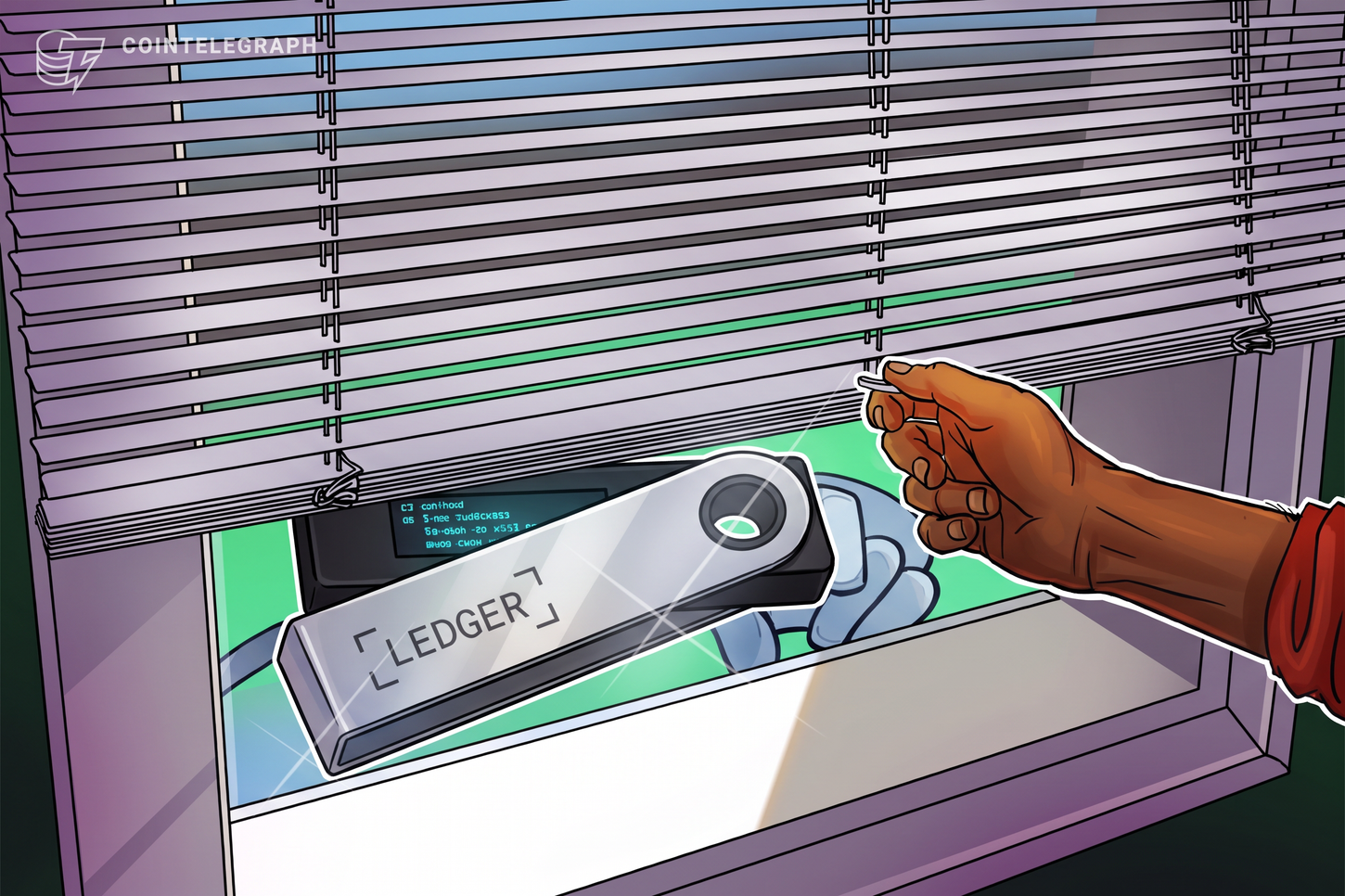
In October 2026, European retailer MediaMarktSaturn removed all Ledger products from its stores after reports surfaced that some devices sold through the Southeast Asian reseller CryptoBilis contained unauthorized cables and cellular modules. An X user named Johannes claimed that two Ledger wallets he bought from separate MediaMarkt locations both had hidden components capable of transmitting recovery phrases over cellular networks. Ledger confirmed it was investigating similar incidents beyond CryptoBilis and warned that implants could exfiltrate users’ recovery phrases.
What it means for you
If you rely on a hardware wallet for self‑custody, a tampered device could silently steal the very information meant to protect your funds. Even a single compromised unit can jeopardize any amount stored on it, because the recovery phrase—usually a 12‑ or 24‑word seed—grants full access to all associated accounts. Therefore, the safety of your crypto hinges not only on the wallet’s design but also on the integrity of the supply chain.
What to check / how to judge
- Buy from official sources. Purchase directly from the manufacturer’s website or an authorized reseller listed on the official site. Third‑party marketplaces increase the risk of receiving altered devices.
- Inspect packaging. Authentic hardware wallets arrive in sealed, tamper‑evident packaging. Look for broken seals, mismatched fonts, or any signs of repackaging.
- Verify the device firmware. When you first power on the wallet, it should prompt you to install the latest firmware from the official app. Do not accept firmware updates from unknown sources.
- Check for unexpected hardware. Open the device (if you feel comfortable) and look for extra wires, chips, or modules that are not part of the standard design. Most reputable wallets have publicly documented internal layouts.
- Use the device’s self‑test. Many wallets include a built-in self‑check that confirms the secure element is intact. Follow the manufacturer’s instructions to run this test before adding any funds.
- Monitor for unusual behavior. If the wallet requests a recovery phrase or attempts to connect to unknown networks, stop using it immediately and contact the manufacturer.
FAQ
Can I trust a hardware wallet bought second‑hand?
Second‑hand devices are risky because you cannot verify whether they have been tampered with or whether the previous owner wiped the secure element properly. It is safest to buy new from an authorized channel.
What is a recovery phrase and why is it critical?
A recovery phrase is a human‑readable list of words that encodes your private keys. Anyone who obtains this phrase can recreate your wallet on another device and move all funds. Protect it offline and never share it.
If my wallet is compromised, can I still recover my funds?
Yes, as long as you still have the correct recovery phrase stored securely. You can import the phrase into a new, trusted hardware wallet or a reputable software wallet to regain access.
Do software wallets offer the same security as hardware wallets?
Software wallets keep private keys on devices that are often connected to the internet, making them more vulnerable to malware and phishing. Hardware wallets provide an extra layer of isolation, which is why they are preferred for larger balances.
This article references reporting from cointelegraph.com.