Ever wonder why Bitcoin’s price seems to jump around and how those swings affect anyone trying to earn from mining? This article breaks down the key forces that drive Bitcoin’s market value and shows how they translate into mining profitability for everyday earners.
The basics: What moves Bitcoin’s price?
Bitcoin is a digital asset that trades on open markets, meaning its price is set by supply and demand. Supply is relatively fixed – the protocol caps the total number of bitcoins at 21 million, with new coins released at a predictable rate through mining rewards. Demand comes from a mix of retail investors, institutions, traders, and businesses that want to use Bitcoin as a store of value, a speculative asset, or a payment method.
Several factors influence that demand:
- Macro‑economic data: Inflation reports, interest‑rate decisions, and employment figures can shift investors toward or away from riskier assets like Bitcoin.
- Market sentiment: News about regulation, adoption, or large‑scale purchases can create optimism (bullish sentiment) or fear (bearish sentiment).
- Technical indicators: Traders watch chart patterns such as moving averages, support and resistance levels, and volume trends to gauge short‑term direction.
- Institutional activity: When large funds or corporations allocate capital to Bitcoin, the sheer size of their trades can move the market.
Because Bitcoin’s supply is predictable, most price changes stem from shifts in demand. When demand outpaces the limited supply, prices rise; when demand wanes, prices fall.
Real‑world illustration
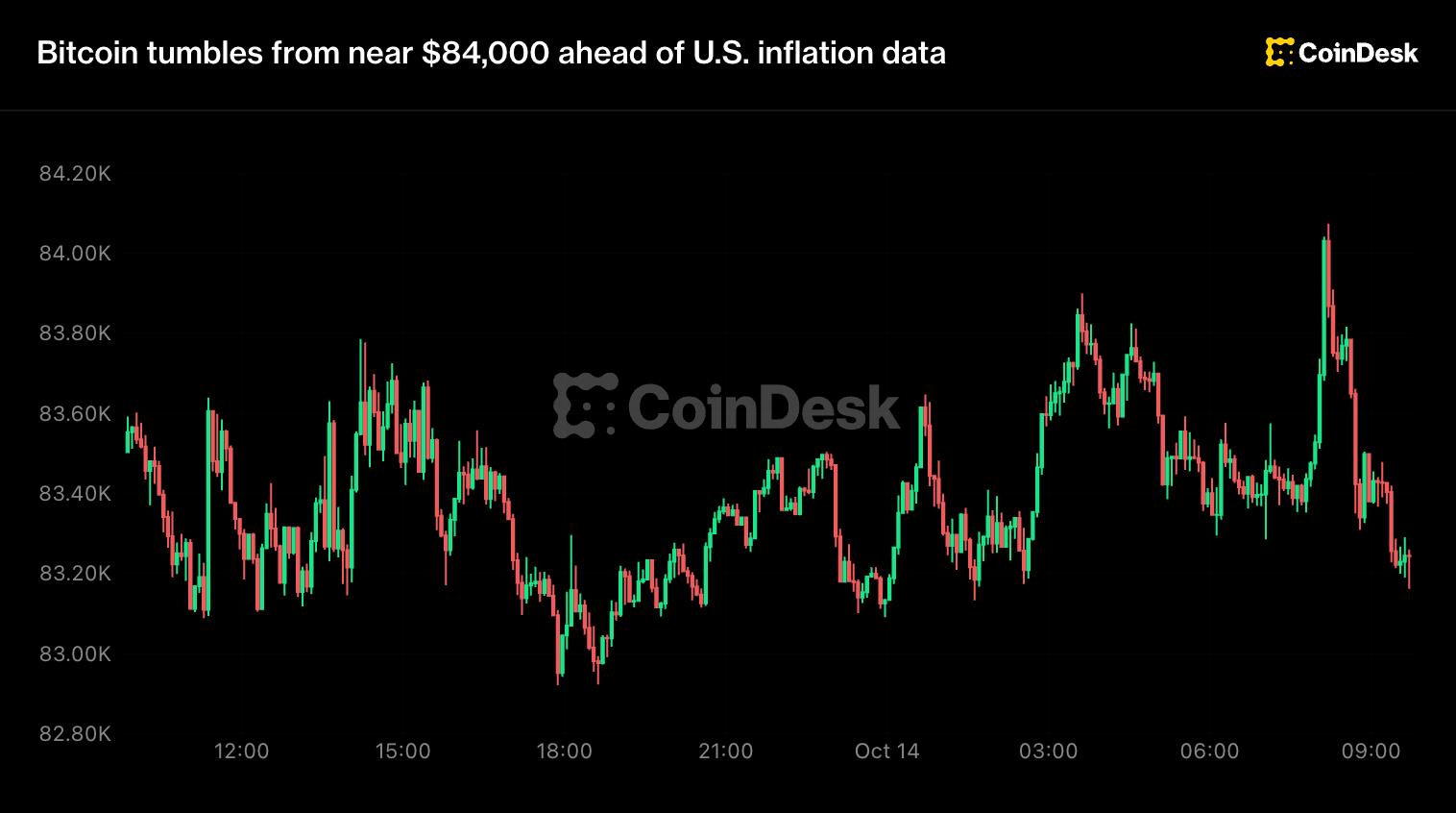
On a Wednesday in March 2026, Bitcoin briefly rose to the $84,000 level before slipping back to about $83,200. Traders noted that the price was trapped between its 50‑day moving average near $81,000 (the average closing price over the past 50 days) and a ceiling at $84,000. The brief spike coincided with anticipation of U.S. inflation data and a cautious stance from the Nasdaq 100, which often reflects institutional risk appetite. This example shows how macro data and technical levels together can create short‑term price turbulence.
What it means for you: Mining earnings and price swings
If you run a mining rig or participate in a cloud‑mining service, your earnings come from two sources: the block reward (newly minted bitcoins) and the transaction fees attached to each block. Both are paid in Bitcoin, so the fiat value of your income depends directly on Bitcoin’s market price.
When Bitcoin’s price climbs, the same number of bitcoins earned translates into more dollars or euros, boosting your apparent profit. Conversely, a price drop reduces the fiat value of those rewards, even if the number of bitcoins mined stays constant. Because electricity and hardware costs are usually paid in fiat, miners must watch price trends closely to ensure that revenues cover expenses.
Beyond direct earnings, price volatility can affect the network hash rate – the total computational power securing the blockchain. A sustained price decline often leads some miners to shut down unprofitable equipment, lowering the hash rate and making mining slightly easier for those who remain online. This dynamic can partially offset lower prices, but it also introduces uncertainty.
How to evaluate a mining opportunity
- Check the break‑even price: Calculate the Bitcoin price needed to cover your electricity, hardware depreciation, and pool fees. Many calculators let you input your local electricity rate and hardware specs.
- Monitor technical levels: Moving averages (like the 50‑day) and support zones can give clues about medium‑term price trends.
- Watch macro indicators: Inflation reports, central‑bank policy, and major economic releases often precede price moves.
- Assess network health: A rising hash rate suggests strong miner confidence, while a sharp drop may signal upcoming profitability challenges.
- Consider diversification: Some earners split their effort between mining and other passive income streams, such as staking or cloud rewards, to smooth out earnings.
FAQ
Why does Bitcoin sometimes stay within a price range?
When buyers and sellers find a balance at certain levels, the price can “box” between support (a floor) and resistance (a ceiling). Technical indicators like moving averages often line up with these zones, reinforcing the range until new information pushes sentiment one way or the other.
Can I still profit from mining if Bitcoin’s price falls?
Profitability depends on your break‑even price. If the market price stays above that threshold, you can continue to earn a net profit. Lower prices may require you to improve efficiency, reduce electricity costs, or switch to a more profitable cryptocurrency.
How often should I recalculate my mining profitability?
At least once a month, or whenever there’s a significant change in electricity rates, hardware performance, or Bitcoin’s price. Frequent checks help you decide whether to keep mining, upgrade equipment, or pause operations.
Do technical indicators guarantee price direction?
No. Moving averages, support levels, and other chart tools reflect historical data and market psychology, but they cannot predict future moves with certainty. Use them as part of a broader analysis that includes fundamentals and macro trends.
This article references reporting from coindesk.com.