Do you wonder why your crypto earnings can swing wildly even when the blockchain itself hasn’t changed? This article explains how movements in the broader technology market affect crypto mining, staking and other online income streams, and what you can do to protect yourself.
The link between tech stocks and crypto earnings
Cryptocurrencies are often called “digital assets,” but the ecosystem that supports them relies heavily on traditional technology companies. Mining hardware – the specialized computers that solve cryptographic puzzles – is built by semiconductor firms and sold through distributors that also serve data‑center operators. Cloud‑mining services and staking platforms run on servers hosted in the same data centers that power AI workloads, video streaming and cloud software.
When investors become nervous about the tech sector, they may sell shares of semiconductor makers, data‑center REITs or AI‑focused firms. That selling pressure can lower the price of the hardware needed for mining, but it can also signal reduced demand for the electricity and bandwidth that power those machines. A slowdown in data‑center expansion often means lower electricity rates and fewer available server slots, which can tighten the supply of mining capacity and affect the overall hash rate – the total computational power protecting a blockchain.
The hash rate is directly tied to miners’ profitability. If the hash rate drops because fewer machines are online, the network may adjust the difficulty – a measure of how hard it is to find a new block – downward, which can raise individual miners’ rewards. Conversely, if the hash rate rises sharply, difficulty climbs and earnings per unit of hardware fall. Because the hash rate is sensitive to the health of the broader tech supply chain, market jitters in that sector ripple into crypto earnings.
Real‑world illustration
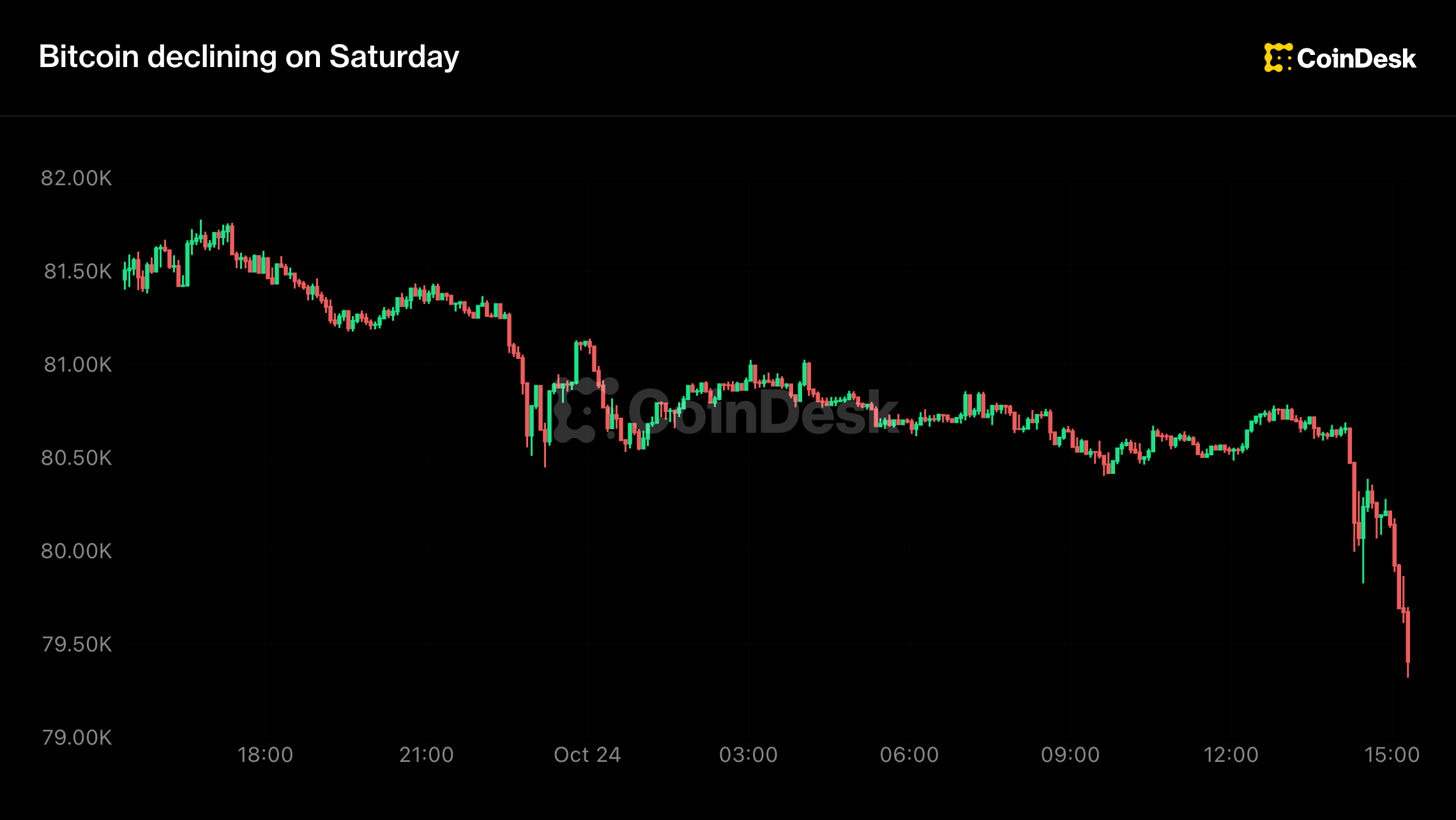
In early March 2024, a wave of selling hit technology stocks after AI‑related valuations cooled. South Korea’s KOSPI slipped almost 4%, and the data‑center company Elice saw its IPO debut plunge around 30%. The weakness spilled over to U.S. markets, with AI‑focused cloud‑gaming firm CoreWeave down 4% and other tech‑heavy tokens such as Cipher Digital (CIFR) and IREN falling as well. While Bitcoin stayed above $81,000, the broader sentiment shift highlighted how quickly tech‑sector stress can influence crypto‑related assets.
What this means for you
If you earn crypto through mining, staking or cloud‑based services, you are indirectly exposed to the health of the tech sector. A sudden drop in tech stock prices can lead to:
- Higher electricity costs if data‑center operators raise rates to cover lower utilization.
- Reduced availability of new mining hardware, delaying upgrades that keep your operation competitive.
- Short‑term price pressure on crypto assets as investors move money into perceived “safer” assets like long‑dated U.S. Treasuries.
Understanding this connection helps you anticipate earnings fluctuations and plan for periods of lower profitability.
What to check before you commit
- Hardware supply chain health: Follow news on semiconductor manufacturers (e.g., TSMC, Samsung) and data‑center operators. A slowdown in shipments often precedes higher hardware prices.
- Electricity pricing trends: Monitor regional power markets and utility announcements. Some mining farms lock in long‑term contracts to hedge against spikes.
- Network difficulty and hash rate: Most block explorers display real‑time difficulty and total hash rate. A sudden rise may signal that many miners are online, squeezing individual rewards.
- Diversification of income streams: Combine mining with staking or other passive‑income options to reduce reliance on a single source.
FAQ
Q: Does a falling tech stock market always mean lower crypto earnings?
A: Not necessarily. While a tech downturn can raise electricity costs and limit hardware upgrades, it can also lower the network hash rate, which may increase per‑unit rewards. The net effect depends on the balance of these factors.
Q: Should I stop mining during a tech‑sector selloff?
A: Stopping entirely may not be optimal. Instead, monitor your electricity rates and hardware costs. If they rise sharply, consider scaling back or switching to a more efficient algorithm.
Q: How can I protect my staking rewards from tech‑sector volatility?
A: Staking is less directly tied to hardware supply, but token prices can still be affected. Choose well‑established proof‑of‑stake networks with strong validator communities and consider staking a diversified basket of tokens.
Q: Are there any indicators that signal an upcoming tech‑sector impact on crypto?
A: Watch major tech indexes (e.g., Nasdaq, QQQ) and AI‑related IPO performance. Sharp declines in those benchmarks often precede broader market caution that can spill over into crypto earnings.
This article references reporting from coindesk.com.