Are you curious about why traders buy “puts” on Bitcoin or how options can protect against price swings? This article explains the basics of crypto options, how they differ from spot trading, and what the signals mean for anyone trying to earn online.
What crypto options are and how they work
An option is a contract that gives the holder the right, but not the obligation, to buy or sell an asset at a predetermined price before a set expiration date. The two main types are calls (the right to buy) and puts (the right to sell). When you buy a call, you are betting the price will rise above the strike price; buying a put means you expect the price to fall below the strike.
Each option has a premium, the price you pay for the contract. This premium reflects the market’s view of future volatility, time until expiration, and the distance between the current price and the strike price (the “moneyness”). The premium is paid up front and is the maximum loss for the buyer, while the seller (or “writer”) of the option can face much larger losses if the market moves against them.
Crypto options are settled either in the underlying cryptocurrency (physical settlement) or in cash (cash‑settlement). Platforms such as Deribit, OKEx, and Binance offer a range of Bitcoin and Ethereum options with varying expiries, from weekly to quarterly contracts.
Real‑world illustration
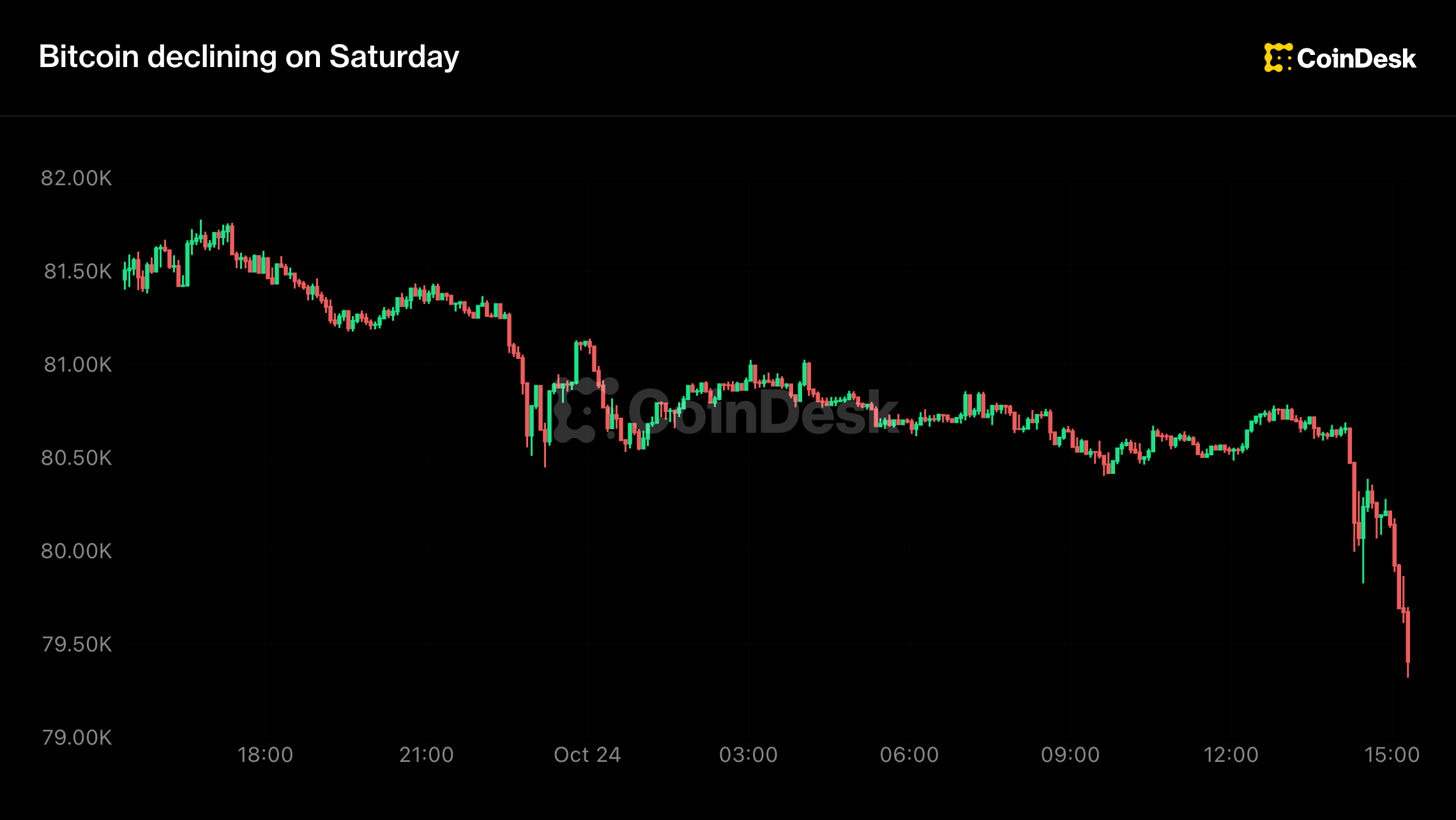
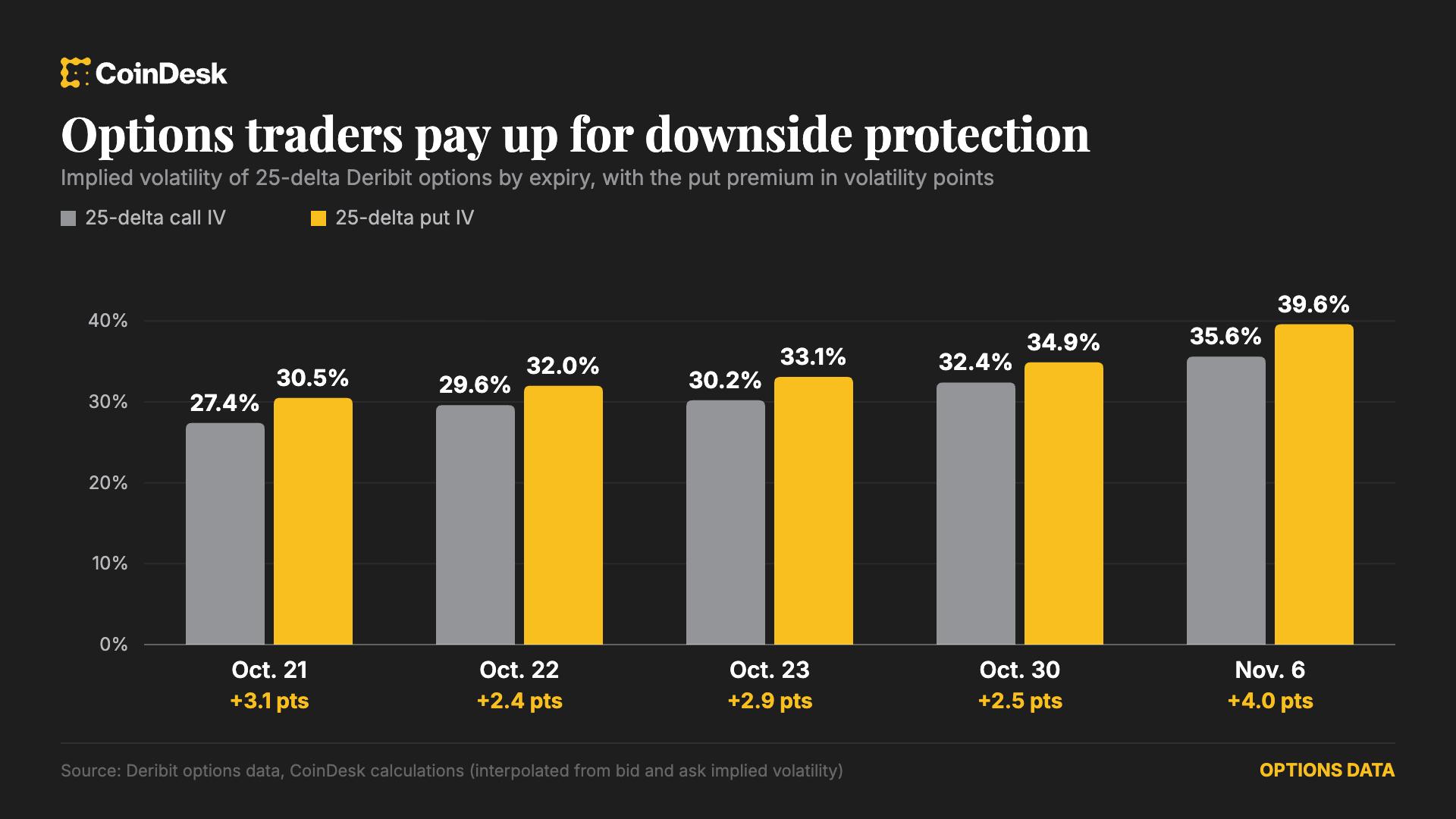
On a Tuesday in October 2026, Bitcoin slipped to about $81,400, a 0.5 % decline from the previous day. Despite a large inflow of $526.6 million into U.S. spot Bitcoin ETFs, traders on the Deribit exchange were buying puts more aggressively than calls. The Oct. 30 $80,000 put became the most traded contract, and out‑of‑the‑money puts were priced 2.5 to 4 volatility points higher than comparable calls, creating a “bearish skew.” This pattern showed that many participants were paying for downside protection even though the overall open interest still favored long positions.
What this means for you
If you are looking to earn passive income through crypto, understanding options can help you manage risk and potentially generate additional returns. Buying puts can act like insurance: if the price of Bitcoin falls sharply, the put’s value rises, offsetting losses in your spot holdings. Conversely, selling (writing) puts can earn you the premium as income, but you must be prepared to buy the underlying asset at the strike price if the market drops below it.
For miners or cloud‑reward participants, options can smooth out revenue volatility. For example, a miner who expects a drop in Bitcoin price can buy puts to lock in a minimum effective price for the coins they will produce, protecting their cash flow.
What to check before using options
- Liquidity: Choose platforms with deep order books and tight bid‑ask spreads. Low liquidity can cause slippage and make it hard to close positions at desired prices.
- Expiration and strike selection: Align the contract’s expiry with your risk horizon. Short‑term puts protect against immediate dips, while longer‑term contracts cover extended periods of uncertainty.
- Premium cost vs. protection: Compare the premium to the potential loss you’re hedging. If the premium is a large percentage of your portfolio, the hedge may not be cost‑effective.
- Counterparty risk: Use reputable, regulated exchanges that hold sufficient collateral to honor contracts. Some platforms offer insurance funds to cover extreme events.
- Funding rates and open interest: High funding rates (the periodic payments between long and short positions) can indicate market bias. In the October 2026 example, an 8.8 % annualized funding rate suggested a bullish tilt, even though puts were more heavily traded.
FAQ
What is the difference between buying a put and short‑selling Bitcoin?
Buying a put limits your loss to the premium paid, while short‑selling exposes you to unlimited loss if the price rises. A put also has a defined expiration, after which the contract expires worthless if the price never falls below the strike.
Can I earn regular income by selling options?
Yes, writing (selling) options generates premium income. However, you must be prepared to fulfill the contract—buying Bitcoin at the strike price if a put is exercised, or selling at the strike price if a call is exercised. This strategy carries significant risk and is best suited for experienced traders.
Do I need to hold Bitcoin to trade options on it?
No. Options are derivatives, so you can trade them without owning the underlying asset. Some platforms allow you to settle in cash, meaning you never need to hold Bitcoin directly.
How does a “bearish skew” affect my trading decisions?
A bearish skew means out‑of‑the‑money puts are priced higher than comparable calls, reflecting market demand for downside protection. If you see a strong skew, it may indicate that many participants expect a price drop, which could be a cue to consider hedging your exposure.
This article references reporting from coindesk.com.