Ever wonder why Bitcoin’s price can jump or dip so dramatically and how those swings affect your ability to earn online? This article explains the key drivers behind Bitcoin’s price movements and what they mean for anyone looking to generate passive income through mining, staking, or cloud rewards.
What actually moves Bitcoin’s price?
Bitcoin is a global, digital asset that trades 24/7 on dozens of exchanges. Its price is set by supply and demand, just like any other market, but several unique factors amplify the swings:
- Market sentiment: News about regulations, technology upgrades, or macro‑economic data can quickly shift how investors feel about Bitcoin, turning optimism into buying pressure or fear into selling pressure.
- Liquidity and order books: The amount of Bitcoin available for trade at any moment influences how easily large orders can move the price. Thin order books mean a single large buy or sell can push the price noticeably.
- Technical indicators: Traders often watch moving averages (e.g., the 21‑day or 50‑day simple moving average) as dynamic support or resistance levels. When price approaches these lines, automated trading bots and human traders may act, reinforcing the move.
- Correlation with other markets: Bitcoin sometimes mirrors the direction of equities, commodities, or currencies. Strong earnings reports in the stock market, for instance, can boost risk appetite, leading investors to allocate funds into Bitcoin.
- Derivatives and short positions: Futures, options, and contracts for difference (CFDs) allow traders to bet on price direction without owning Bitcoin. When the market moves against a large pool of short positions, forced liquidations can add buying pressure, creating a feedback loop.
Real‑world illustration
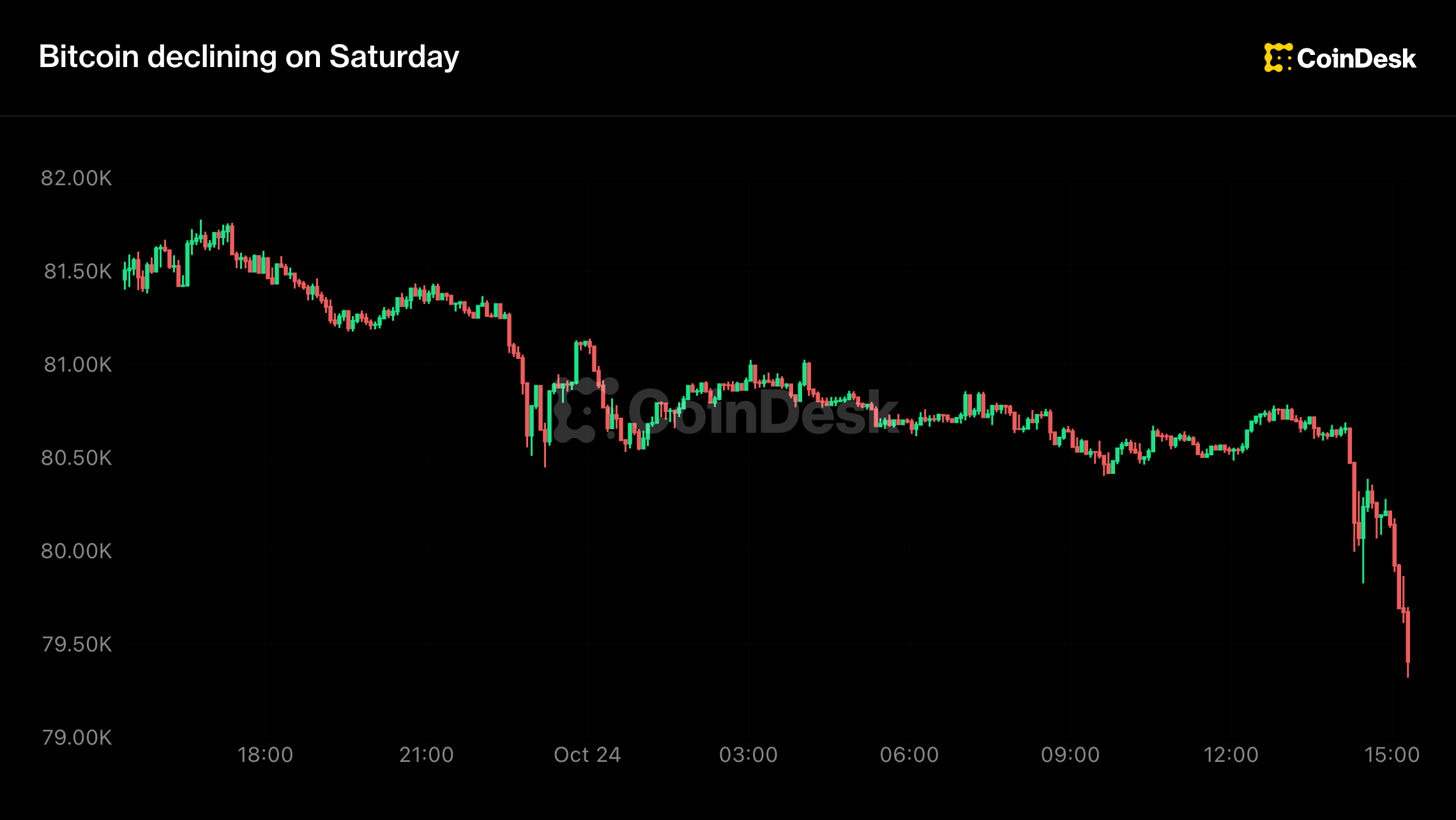
In October 2026, Bitcoin surged to about $83,300 after U.S. stocks rallied on strong third‑quarter earnings. The rally lifted market sentiment, and Bitcoin briefly challenged its 21‑day simple moving average (SMA) at $83,230. At the same time, data showed $125 million in short liquidations, meaning traders who had bet on a price drop were forced to buy back their positions, adding further upward pressure. The episode demonstrates how equity market strength, technical levels, and short‑position dynamics can combine to push Bitcoin’s price higher.
What this means for you as an online earner
If you earn passive income through Bitcoin mining, staking, or cloud‑based reward platforms, price movements directly affect your returns:
- Mining profitability: Miners earn newly minted Bitcoin and transaction fees. When Bitcoin’s price rises, the fiat value of those rewards increases, improving profitability. Conversely, a price drop can make mining unprofitable unless you have very low electricity costs.
- Staking and lending returns: Some platforms offer yields paid in Bitcoin. The nominal percentage may stay the same, but the dollar value of the payout fluctuates with the market price.
- Cloud reward services: Services that sell hash power or mining contracts often price contracts in fiat. A higher Bitcoin price can mean a better return on a contract purchased at a lower price, while a prolonged downturn can erode expected earnings.
How to evaluate the environment before committing
Before you allocate capital to any Bitcoin‑related earning method, consider these checkpoints:
- Check the current price trend and whether key moving averages are acting as support or resistance.
- Look at the open interest in Bitcoin futures and options; rising open interest can signal growing market participation and potential volatility.
- Assess the liquidity on major exchanges—higher liquidity generally means smoother price movements and less risk of slippage.
- Monitor broader macro indicators such as equity market performance, oil prices, and major earnings releases, as they often influence risk appetite.
- Review the cost structure of any mining or cloud‑reward service (electricity, hardware, fees). Ensure that even with a modest price dip, the operation remains viable.
FAQ
Why does Bitcoin sometimes move in the same direction as the stock market?
When equities perform well, investors feel more confident and may allocate a portion of their portfolio to alternative assets like Bitcoin, creating parallel upward moves. Conversely, market stress can lead to risk‑off behavior, pulling money out of Bitcoin.
What is a short liquidation and why does it matter?
A short liquidation occurs when traders who bet on a price decline are forced to close their positions because the market moved against them. This buying pressure can accelerate a price rise, especially if many short positions are liquidated at once.
Can I rely on moving averages to predict Bitcoin’s price?
Moving averages are tools that reflect past price data and can act as dynamic support or resistance levels. They are not guarantees but are widely used by traders to gauge potential price reactions.
How can I protect my mining earnings from price volatility?
Consider hedging strategies such as selling a portion of mined Bitcoin on the spot market when prices are high, or using futures contracts to lock in a future price. Additionally, keep operating costs low so that profitability isn’t solely dependent on price.
This article references reporting from cointelegraph.com.