Are you curious about how you can gain exposure to Bitcoin without buying the cryptocurrency directly, and what safeguards exist if the market turns volatile? This article explains the mechanics of Bitcoin exchange‑traded funds (ETFs), how they generate returns, and what protection mechanisms investors can expect.
What a Bitcoin ETF Is and How It Operates
A Bitcoin ETF is a financial product that tracks the price of Bitcoin and trades on a traditional stock exchange, just like a stock or a bond fund. When you buy shares of a Bitcoin ETF, you are not holding the actual digital coins; instead, you own a claim on a pool of assets that mirrors Bitcoin’s price movements.
The fund manager typically acquires Bitcoin (or Bitcoin futures contracts) and stores them in a custodial wallet. The total value of the fund’s holdings is divided by the number of outstanding shares, creating a net asset value (NAV) per share. As Bitcoin’s market price rises or falls, the NAV adjusts accordingly, and the ETF’s share price on the exchange generally follows the NAV, though slight deviations can occur due to supply and demand.
Key terms you’ll encounter:
- Custodian: A regulated entity that holds the underlying Bitcoin securely, often using multi‑signature wallets and cold storage.
- Authorized Participant (AP): A large financial institution that can create or redeem ETF shares by delivering or receiving the underlying assets, helping keep the ETF price aligned with its NAV.
- Expense Ratio: The annual fee charged by the fund manager for operating the ETF, expressed as a percentage of assets under management.
Why Investors Choose Bitcoin ETFs
Bitcoin ETFs offer several advantages for ordinary investors:
- Regulated Environment: ETFs are overseen by securities regulators, providing a layer of legal oversight that direct cryptocurrency exchanges often lack.
- Ease of Access: You can buy and sell ETF shares through a standard brokerage account, avoiding the need to set up a crypto wallet or learn about private keys.
- Tax Simplicity: In many jurisdictions, ETF transactions are treated like stock trades, simplifying tax reporting compared with the complexities of tracking each crypto transaction.
- Liquidity: ETFs trade during market hours on major exchanges, offering instant liquidity without the need to find a counter‑party on a crypto exchange.
Real‑World Example: BlackRock’s Response to Market Volatility
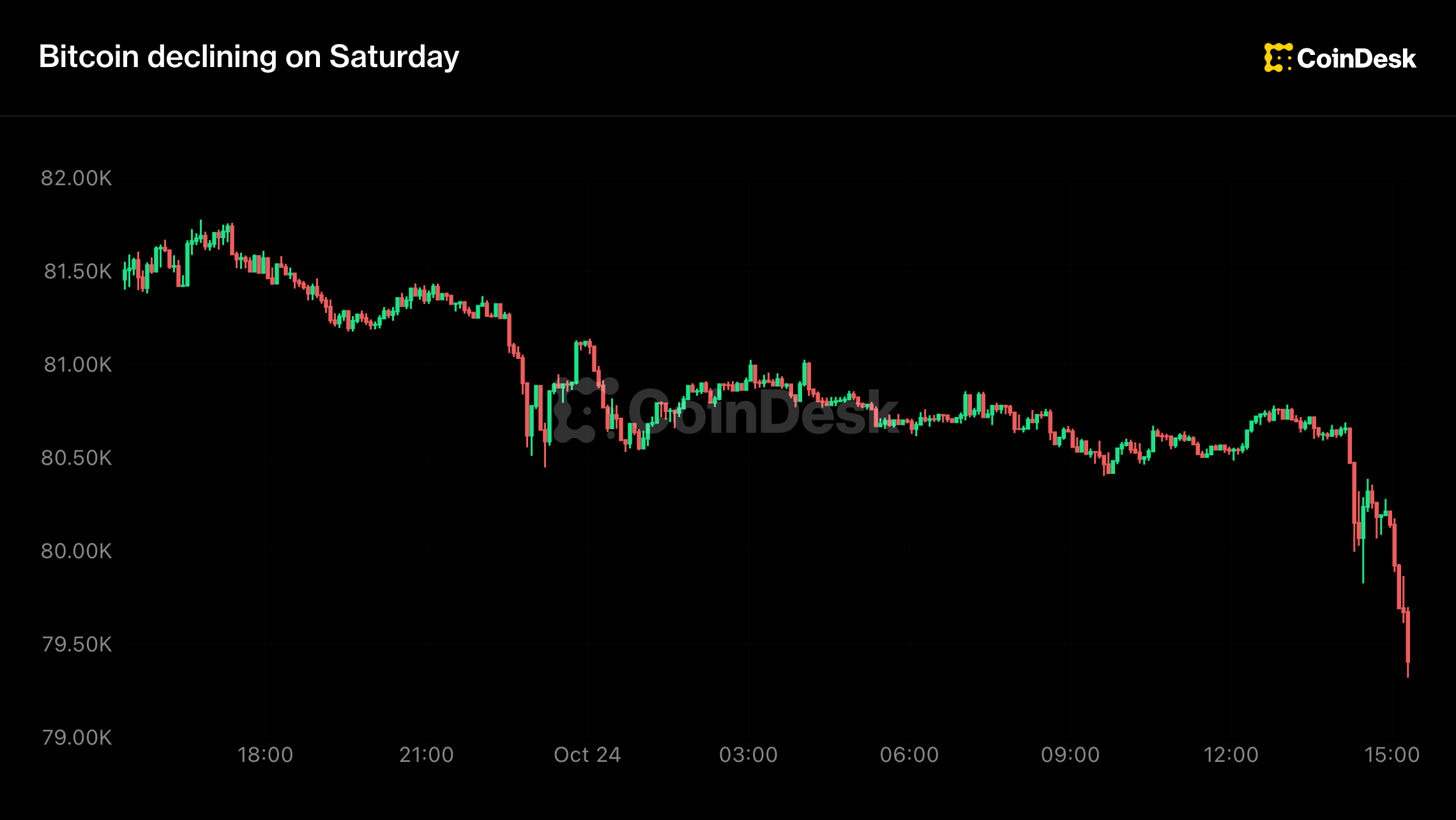
In June 2026, BlackRock announced a plan to protect Bitcoin ETF investors after a rival fund experienced a 50 % price drop. The move highlighted how large asset managers can introduce risk‑mitigation features—such as offering a “buffer” or a “capital protection” component—to reduce the impact of sharp declines on investors’ holdings. While the exact mechanism varies by product, the principle is to give investors a safety net while still allowing participation in Bitcoin’s upside.
What This Means for You
If you are looking to add Bitcoin exposure to a diversified portfolio, an ETF can be a convenient entry point. However, you should be aware that:
- The ETF’s performance is tied to Bitcoin’s price, so you still face the same market risk as direct ownership.
- Expense ratios, while often modest, will eat into returns over time.
- Any protective features, like buffers, may come with additional fees or limit upside potential.
Understanding these trade‑offs helps you decide whether the convenience and regulatory oversight of an ETF outweigh the direct‑ownership risks you might otherwise accept.
How to Evaluate a Bitcoin ETF
Before investing, consider the following checklist:
- Custody and Security: Verify that the fund uses a reputable custodian with audited cold‑storage practices.
- Expense Ratio: Compare fees across available ETFs; lower fees preserve more of your returns.
- Liquidity: Look at average daily trading volume to ensure you can enter and exit positions without large price slippage.
- Regulatory Status: Confirm that the ETF is registered with the relevant securities authority (e.g., SEC in the United States).
- Risk‑Mitigation Features: If a fund offers buffers or capital protection, read the fine print to understand the conditions and costs.
FAQ
Q: Do Bitcoin ETFs hold the actual cryptocurrency?
A: Most ETFs hold physical Bitcoin in custodial wallets, while some use Bitcoin futures contracts. The fund’s prospectus will specify the exact holdings.
Q: How are taxes handled for ETF trades?
A: In many countries, buying or selling ETF shares is treated like a stock transaction, so you report capital gains or losses on the trade date, similar to traditional equities.
Q: Can I lose more than my investment in a Bitcoin ETF?
A: No. Your loss is limited to the amount you invested in the ETF shares. However, the value of those shares can fall to zero if Bitcoin’s price collapses.
Q: Are protective buffers guaranteed?
A: Buffers are conditional; they typically protect against a defined percentage decline but may not apply if the market moves beyond the buffer’s limit or if the fund’s terms are not met.
This article references reporting from coindesk.com.