Are you wondering why a single price line on a chart can feel so important for your crypto earnings? This article explains what “support levels” are, how they form, and why they matter for anyone earning Bitcoin through mining or other passive methods.
What a support level actually is
A support level is a price point on a chart where buying interest has historically been strong enough to stop a decline and push the price back up. Think of it as a floor that the market tends to bounce off. When the price approaches this floor, traders often place buy orders, creating a cushion that can halt further drops.
Technical analysts identify support by looking at past price action. If a cryptocurrency has fallen to a certain price several times and then recovered, that price becomes a candidate for support. The more times the price has bounced there, the stronger the support is considered.
Support is not a guarantee. If selling pressure overwhelms the buying orders at that level, the price can break through, often leading to a sharper decline. A “break” is simply the price moving below the support line, which can signal a shift in market sentiment.
Why support matters for miners and other earners
Mining profitability is directly linked to Bitcoin’s market price. The higher the price, the more revenue a miner earns for each block they help secure. When the price approaches a strong support level, miners can anticipate whether their earnings are likely to stay stable or face a sudden dip.
If support holds, the price may stabilize or even rise, giving miners a predictable income stream. If support fails, the price can fall quickly, reducing the value of the block rewards and transaction fees that miners receive. This volatility also affects cloud mining contracts, staking platforms, and any service that promises a share of Bitcoin earnings.
Real‑world illustration
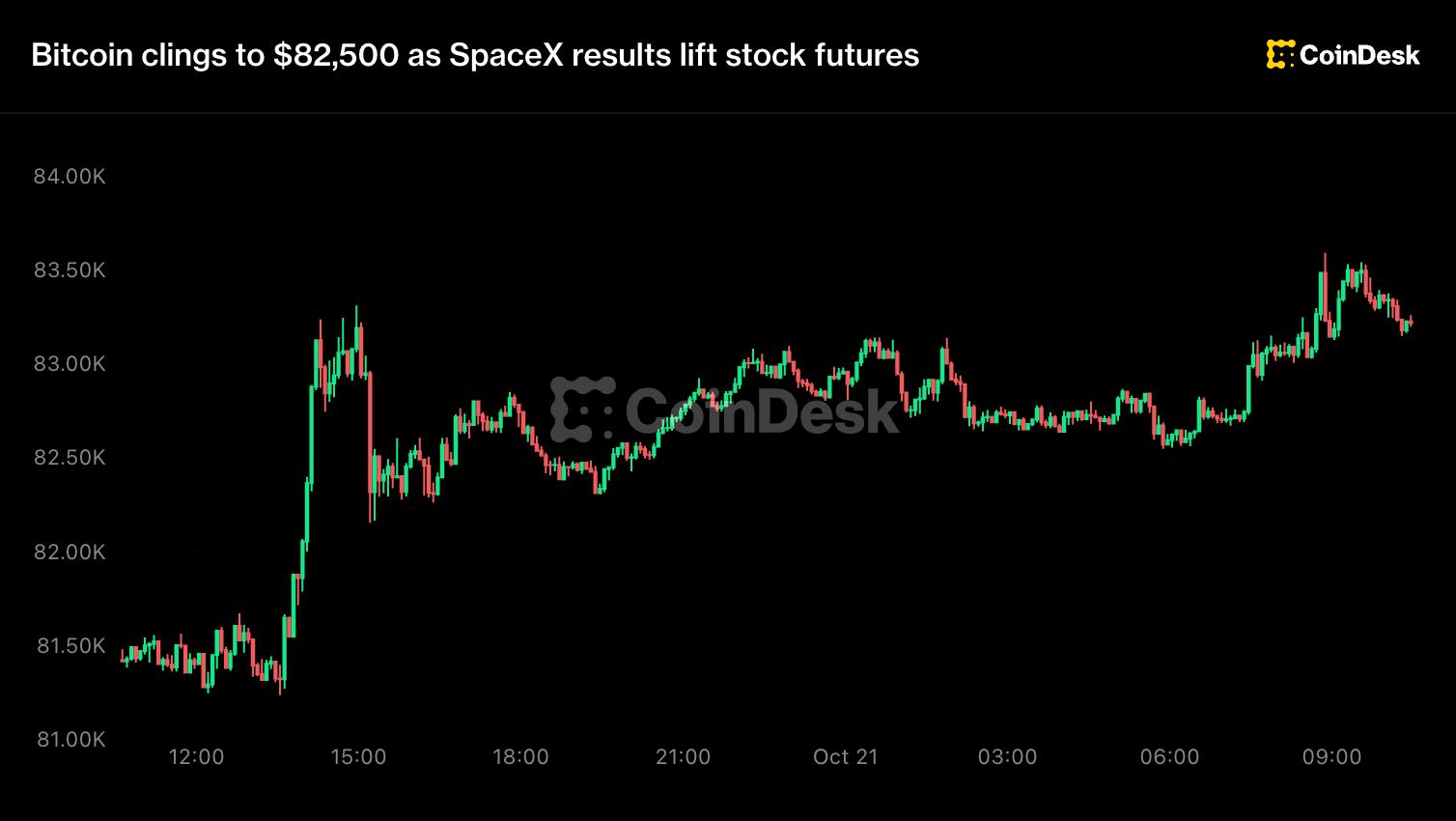
In March 2026, Bitcoin was trading just above $82,500. Analyst Simon‑Peter Massabni of XS.com described $82,500 as “the most important support” because the price had struggled to stay below it in recent weeks. He warned that a “decisive and sustained break” below that level could open the door to a slide toward $70,000, a drop of roughly 15 %.
This scenario shows how a single price threshold can shape expectations for miners. If the $82,500 support held, miners could count on a relatively stable revenue base. If it broke, many would see a rapid reduction in earnings, prompting some to shut down less efficient equipment to cut losses.
What it means for you
If you earn Bitcoin through mining, a cloud rewards service, or a staking platform, keep an eye on key support levels. When price stays above a strong support, you can expect your earnings to remain in the same ballpark, making budgeting easier. A break below support signals you may need to adjust your strategy—perhaps by reducing hash power, switching to a more efficient algorithm, or diversifying into other assets.
Even if you are not directly mining, many “passive income” products tie payouts to Bitcoin’s price. Understanding support helps you gauge the risk of sudden payout reductions.
How to evaluate support strength
- Frequency of tests: The more times price has bounced off a level, the stronger the support.
- Volume: High trading volume at the support point indicates strong buying interest.
- Confluence: When a support line aligns with other technical indicators—such as a moving average or a Fibonacci retracement—it gains extra credibility.
- Market context: Look at broader factors like stock market trends, commodity prices, or major news that could affect investor sentiment.
FAQ
What’s the difference between support and resistance?
Support is a price floor where buying tends to outweigh selling, while resistance is a ceiling where selling tends to outweigh buying. Both are identified by past price behavior.
Can I rely on support levels for long‑term income planning?
Support levels give useful clues, but they are not guarantees. Use them as one factor among many—such as electricity costs, hardware efficiency, and overall market trends—when planning earnings.
How do I find the most relevant support level for Bitcoin?
Start by looking at recent charts (30‑day to 90‑day windows) and mark price points where Bitcoin has bounced multiple times. Confirm those levels with high trading volume and, if possible, with other indicators like the 200‑day moving average.
What should I do if Bitcoin breaks a major support level?
Consider reducing exposure to Bitcoin‑linked earnings, evaluate the efficiency of your mining hardware, and explore alternative crypto assets or income streams that may be less price‑sensitive.
This article references reporting from coindesk.com.