Are you curious about how crypto futures with leverage can boost potential returns—and why they can also amplify losses? This article breaks down the mechanics of leveraged futures, explains the volatility risk they introduce, and shows you how to approach them responsibly.
What leveraged crypto futures are and how they work
A crypto future is a contract that obligates the buyer to purchase, or the seller to deliver, a specific amount of a cryptocurrency at a predetermined price on a set future date. Unlike buying the coin outright, you are trading the price movement itself.
When a platform offers leverage, it allows you to control a larger position than the amount of capital you actually put down. For example, 10× leverage means you can open a position worth $10,000 while only committing $1,000 of your own funds. The remaining $9,000 is effectively borrowed from the exchange.
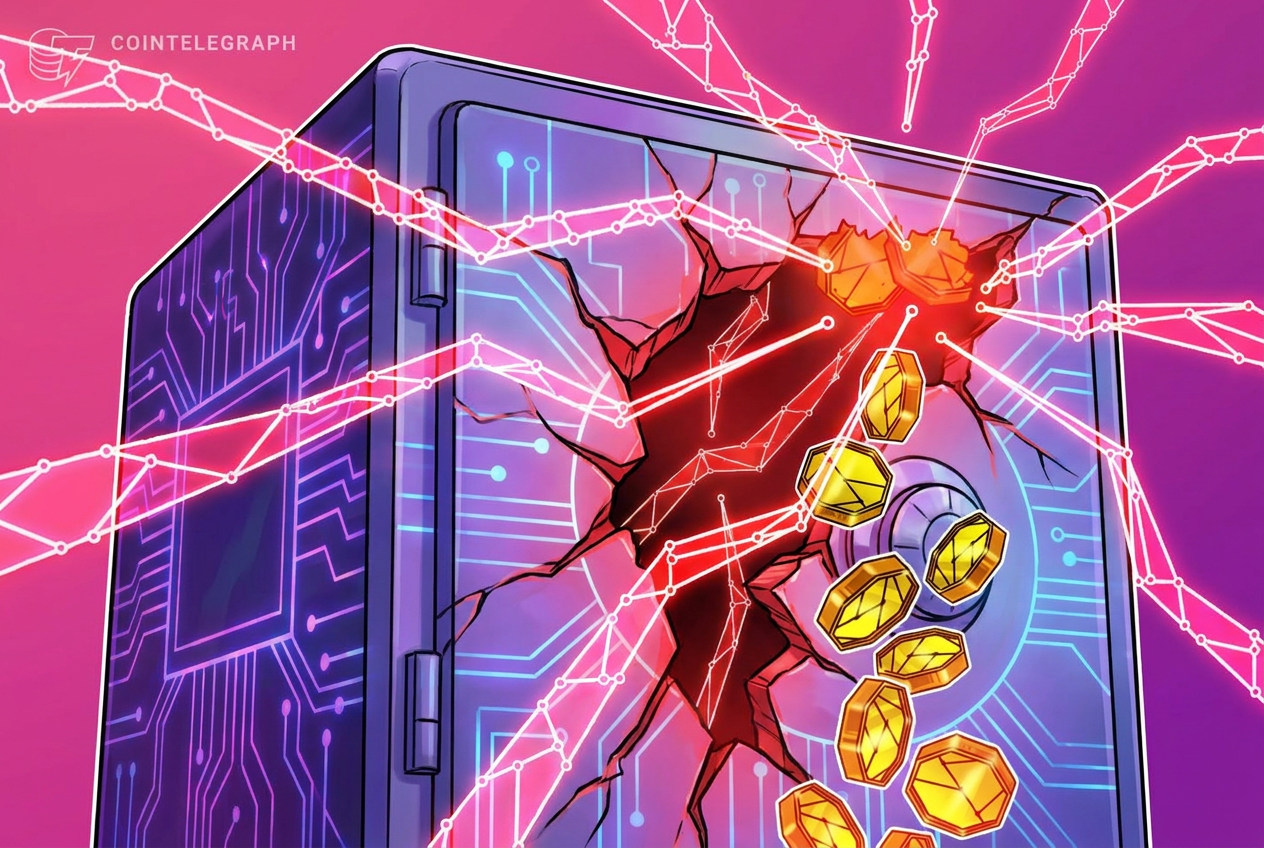
Leverage magnifies both gains and losses. If the market moves 5 % in the direction you predicted, a 10× leveraged position would generate a 50 % return on your margin. Conversely, a 5 % move against you would erase 50 % of your margin. If losses exceed your margin, the exchange will automatically close the position—a process known as a liquidation—to protect itself from further debt.
Why leverage increases volatility risk
Volatility is the degree of price fluctuation over a given period. Cryptocurrencies are already known for rapid swings, and leverage compounds those swings. A small price spike can trigger a cascade of liquidations, which in turn can push the price even lower—a feedback loop often called a liquidation cascade.
Because leveraged positions are margin‑based, traders must maintain a minimum amount of collateral, called the maintenance margin. If the market price moves enough to bring your equity below this threshold, the exchange will issue a margin call or automatically liquidate the position. This can happen in seconds during high‑speed market moves.
Real‑world illustration
In March 2026, Monero futures on several major exchanges saw a surge in trading volume as traders flocked to 20× leverage. The heightened leverage amplified price swings, leading to a series of rapid liquidations that pushed the futures price down by more than 30 % within a few hours. The event highlighted how leverage can turn ordinary volatility into extreme, short‑term risk for margin traders.
What it means for you as an online earner
If you are looking to earn passive income through crypto trading, leveraged futures can appear attractive because a small capital outlay can generate large headline returns. However, the same mechanism can quickly erode your capital if the market moves against you. The risk is especially pronounced for assets with low liquidity or during periods of market stress, when price gaps can occur faster than your margin can adjust.
For most casual earners, the volatility risk of high‑leverage futures outweighs the potential upside. A more sustainable approach is to focus on lower‑leverage positions, use stop‑loss orders to limit downside, and allocate only a modest portion of your overall portfolio to futures trading.
What to check before you trade leveraged futures
- Leverage level: Start with the lowest available leverage (e.g., 2× or 3×) and only increase if you fully understand the margin mechanics.
- Maintenance margin requirements: Know the exact percentage your exchange requires to keep a position open.
- Liquidity: Choose futures contracts with high daily trading volume to reduce slippage and the chance of abrupt price gaps.
- Liquidation price calculator: Most platforms provide tools that show the price at which your position would be liquidated; use them before opening a trade.
- Risk management tools: Set stop‑loss and take‑profit orders, and consider using a separate “risk capital” account that you can afford to lose.
FAQ
Can I lose more than my initial margin?
On most reputable exchanges, your loss is limited to the margin you posted because the platform will liquidate the position before you go negative. However, in extremely volatile markets, some platforms may experience delayed liquidations, potentially exposing you to larger losses.
Is leveraged futures trading suitable for beginners?
Generally, it is not recommended for beginners. The concepts of margin, maintenance requirements, and liquidation are complex, and the rapid price movements in crypto can catch new traders off guard.
How does funding rate affect leveraged futures?
Many perpetual futures contracts require periodic payments called a funding rate to keep the contract price aligned with the spot market. Depending on market conditions, you may either pay or receive this fee, which can affect overall profitability.
What’s the difference between a futures contract and a perpetual swap?
A traditional futures contract has a set expiry date, after which the contract settles. A perpetual swap has no expiry and is designed to trade indefinitely, using the funding rate mechanism to anchor its price to the underlying asset.
This article references reporting from coindesk.com.