Wondering why Bitcoin’s price swings and how those changes affect your ability to earn crypto online? This article breaks down the main forces that push Bitcoin’s value up or down and explains what those movements mean for miners, stakers, and anyone looking for passive income.
The basics: What determines Bitcoin’s market price?
Bitcoin’s price is set on open markets where buyers and sellers trade the digital coin. Unlike a stock that pays dividends, Bitcoin’s value comes from supply and demand dynamics. The total supply is capped at 21 million coins, and new coins enter circulation only through mining rewards. When more people want to buy Bitcoin than sell it, the price rises; when more want to sell than buy, the price falls.
Key factors that influence demand include:
- Macro‑economic conditions. Inflation fears, interest‑rate decisions, and currency strength can drive investors toward Bitcoin as a hedge.
- Regulatory news. Announcements about bans, tax rules, or supportive legislation shift sentiment quickly.
- Institutional participation. Large investors, hedge funds, or corporate treasuries buying or selling big blocks can move the market.
- Media and public perception. Headlines about price milestones, security breaches, or technological upgrades shape expectations.
- Technical factors. Mining difficulty adjustments, hash‑rate changes, and network upgrades affect the supply side.
Because Bitcoin does not generate cash flow, its price is more sensitive to sentiment and macro trends than traditional assets.
Real‑world illustration
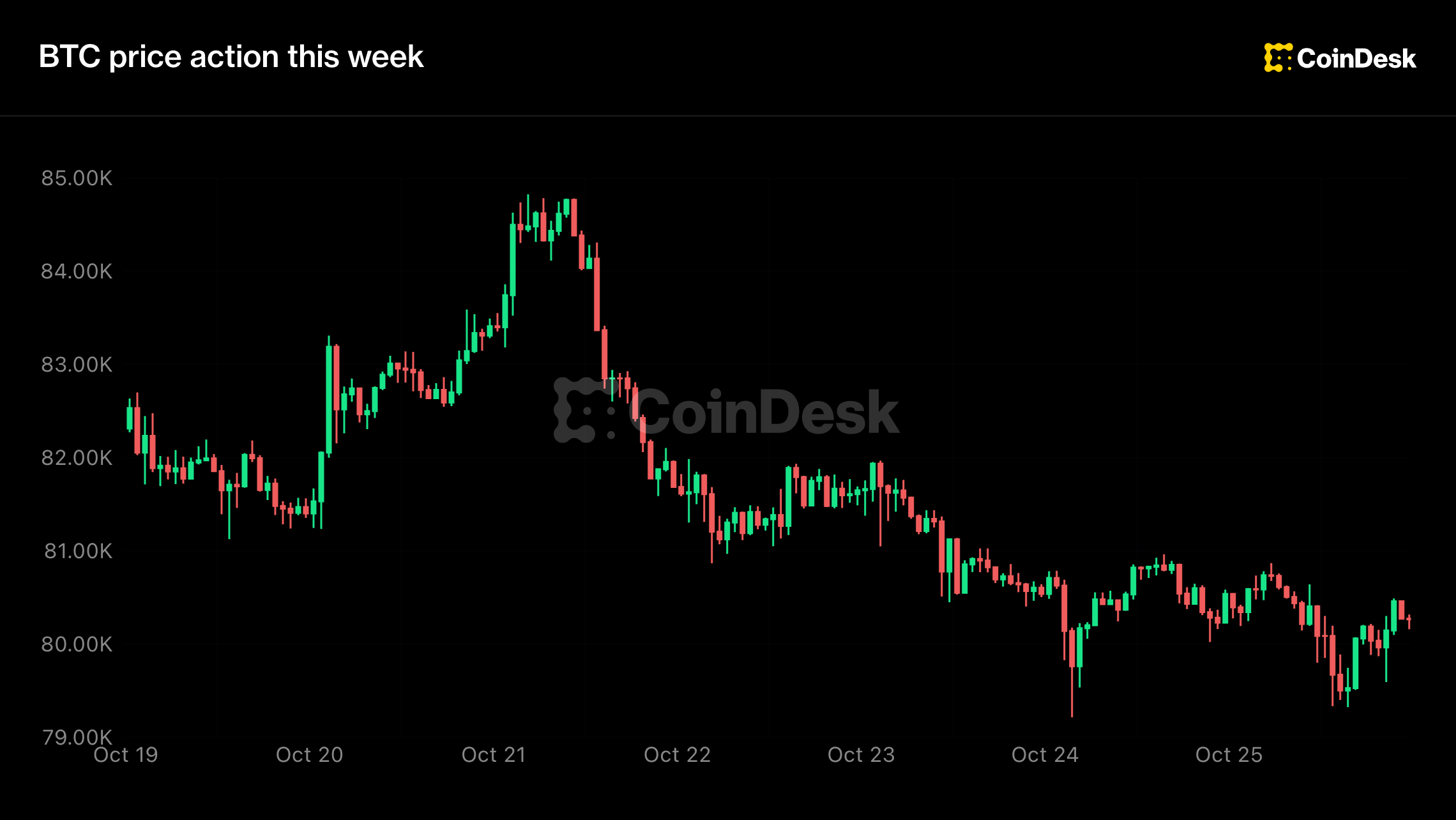
In early March 2026, Bitcoin was holding just above $80,000 while markets awaited a Federal Reserve interest‑rate decision and major tech earnings. At the same time, oil prices fell sharply and Brazil’s stock market plunged after a surprise election result. Those broader economic signals—especially expectations about U.S. monetary policy—helped keep Bitcoin near a psychological $80k level, showing how macro events can anchor crypto prices even amid unrelated market turbulence.
What this means for you as an online earner
If you earn Bitcoin through mining, staking, or cloud‑based reward platforms, price movements directly affect your real‑world income. When Bitcoin’s price rises, the fiat value of any newly minted or earned coins increases, boosting your purchasing power. Conversely, a price drop reduces the fiat equivalent of the same amount of Bitcoin, even though the number of coins you receive stays the same.
For miners, profitability also depends on the cost of electricity and hardware efficiency. A higher Bitcoin price can offset higher energy costs, while a prolonged dip may render some mining operations unprofitable unless they can reduce expenses.
Stakers and cloud‑reward participants face a similar trade‑off: they receive a fixed percentage of rewards, but the fiat value of those rewards fluctuates with the market. Understanding price drivers helps you plan when to convert earned coins into stable assets.
How to evaluate Bitcoin‑related earning opportunities
- Check the break‑even price. Calculate the cost of electricity, hardware depreciation, and platform fees. Compare that to the current and projected Bitcoin price to see if earnings cover expenses.
- Monitor macro indicators. Keep an eye on central‑bank announcements, inflation data, and major geopolitical events, as they often precede price shifts.
- Assess liquidity. Ensure you can sell your earned Bitcoin quickly without large slippage; high liquidity reduces the risk of being stuck with a depreciating asset.
- Diversify reward sources. Combine mining with staking or cloud rewards to smooth out income when Bitcoin’s price is volatile.
- Stay informed about network upgrades. Changes to Bitcoin’s protocol (e.g., Taproot activation) can affect miner revenue and market perception.
FAQ
Why does Bitcoin sometimes rise even when the stock market falls?
Bitcoin is often seen as a non‑correlated asset. When investors lose confidence in traditional markets, they may turn to Bitcoin as an alternative store of value, driving demand up despite broader market declines.
Can I rely on mining rewards as a steady income?
Mining rewards are predictable in coin terms, but their fiat value varies with Bitcoin’s price. To treat mining as steady income, you need to factor in price volatility and have a plan for converting coins when prices are favorable.
How often does the break‑even price change?
The break‑even price shifts with electricity rates, hardware efficiency improvements, and Bitcoin’s market price. Regularly recalculate it—especially after major hardware upgrades or when energy costs change.
Is staking Bitcoin possible?
Bitcoin uses a proof‑of‑work consensus, not proof‑of‑stake, so it cannot be staked directly. However, some platforms offer “wrapped” Bitcoin that can be used in staking protocols on other blockchains, though this adds extra risk layers.
This article references reporting from coindesk.com.