
Are you wondering why a crypto‑mining firm might choose to repurchase its own stock instead of buying more ether or other coins? This article explains the mechanics behind share buybacks, how they compare to direct crypto purchases, and what the decision means for investors and miners alike.
What is a share buyback and how does it differ from buying crypto?
A share buyback (also called a stock repurchase) occurs when a publicly traded company uses cash on hand to buy its own shares from the market. Those shares are usually retired, reducing the total number of shares outstanding. With fewer shares, each remaining share represents a larger ownership slice of the company, which can increase earnings per share (EPS) and often lift the stock price.
Buying crypto, such as ether (the native token of the Ethereum network), is a direct investment in a digital asset. The value of that asset fluctuates with market demand, network activity, and broader macro‑economic factors. Unlike a buyback, holding crypto does not directly change the capital structure of the issuing company.
Both actions use cash, but they affect shareholders in different ways. A buyback benefits shareholders by potentially raising the price of existing shares and improving financial ratios. Purchasing crypto aims to generate additional revenue streams from price appreciation or mining rewards, but it also adds price volatility to the company’s balance sheet.
Real‑world illustration
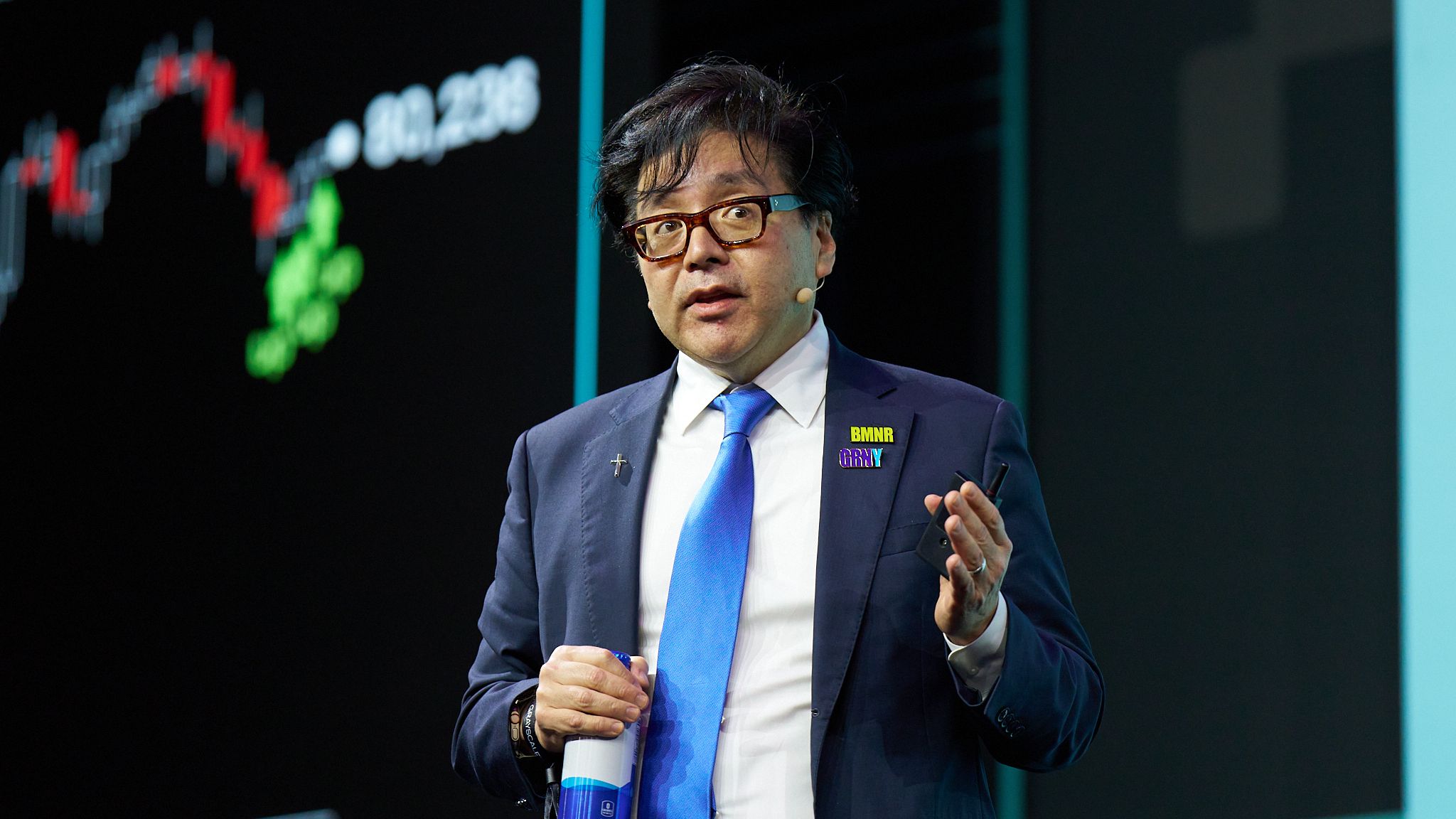
In March 2026, Bitmine, a publicly listed mining operation led by analyst Tom Lee, announced that it would prioritize share buybacks over buying additional ether as the broader crypto market slipped. The company cited a desire to strengthen its balance sheet and return value to shareholders during a period of price weakness.
What this means for you
If you are an investor looking to earn passive income from mining or crypto exposure, the choice between a buyback‑focused firm and a crypto‑accumulating firm can affect both risk and reward. Companies that favor buybacks tend to be more conservative; they aim to protect shareholder value when market sentiment is shaky. This can mean more stable share prices but less upside from potential crypto rallies.
Conversely, firms that allocate cash to buying ether or other tokens are betting on price appreciation or higher mining yields. That strategy can deliver higher returns if the crypto market recovers, but it also exposes the company—and thus its shareholders—to greater downside risk if prices stay low.
How to evaluate a mining company’s capital allocation strategy
- Cash reserves and debt levels: Companies with strong cash piles and low debt can afford to buy crypto without jeopardizing operations. Those with tighter finances may prefer buybacks to avoid additional risk.
- Historical buyback activity: Look at past repurchase programs. Frequent buybacks often signal confidence in the underlying business and a commitment to shareholder returns.
- Crypto exposure ratio: Check the proportion of the balance sheet devoted to digital assets. A high ratio indicates a more aggressive stance on price speculation.
- Mining profitability trends: If mining margins are shrinking due to lower coin prices or higher energy costs, a company may shift to buybacks to preserve capital.
- Management commentary: Statements from CEOs or CFOs about why they prefer one approach over the other can reveal their risk tolerance and long‑term outlook.
FAQ
What is the main benefit of a share buyback for shareholders?
Buybacks reduce the number of shares outstanding, which can increase earnings per share and often lift the stock price, providing a direct return to existing shareholders.
Does buying ether guarantee higher returns for a mining company?
No. Ether’s price can rise or fall dramatically. While buying ether can boost upside if the market rallies, it also adds volatility and can erode value if prices decline.
Can a company do both—buy back shares and purchase crypto?
Yes. Many firms allocate a portion of cash to buybacks and another portion to crypto holdings, balancing shareholder returns with growth opportunities. The exact split depends on the company’s financial health and strategic priorities.
How does a buyback affect my tax situation?
In most jurisdictions, a share buyback is treated as a capital transaction. If you sell shares back to the company at a higher price than you bought them, you may incur capital gains tax. It does not generate ordinary income like a dividend would.
This article references reporting from coindesk.com.





