Are you curious about how a digital token that stays pegged to the U.S. dollar can be used for payments, and whether banks getting involved changes the game for people looking to earn online? This article breaks down the basics of stablecoins, how they are created and regulated, and what a bank‑issued stablecoin could mean for your passive‑income strategies.
What a Stablecoin Is and How It Functions
A stablecoin is a type of cryptocurrency designed to maintain a stable value, usually by being tied to a fiat currency such as the U.S. dollar. The “peg” is achieved through one of three common mechanisms:
- Fiat‑backed reserves: The issuer holds an equivalent amount of dollars in a bank account, and each token represents a claim on that reserve.
- Collateralized crypto: The stablecoin is over‑collateralized with other cryptocurrencies, which are sold if the value drops.
- Algorithmic supply control: Smart contracts automatically expand or contract the token supply to keep the price near the target.
When you receive a stablecoin, you essentially hold a digital receipt for a dollar held elsewhere. Because the value stays near $1, stablecoins are popular for fast, low‑fee payments, cross‑border transfers, and as a bridge between traditional finance and decentralized finance (DeFi) platforms.
Regulatory Landscape for Stablecoin Issuers
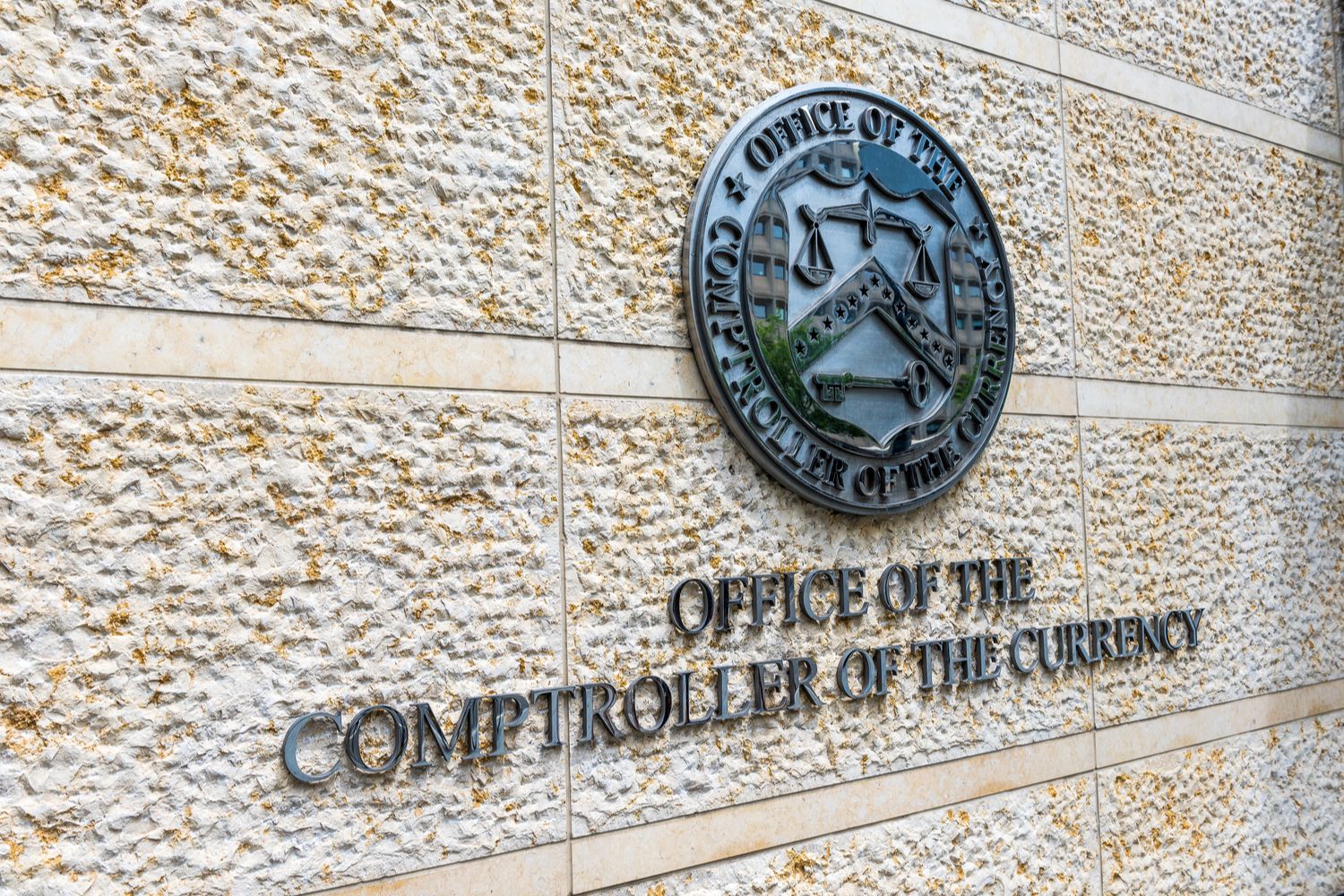
In the United States, stablecoin issuers must follow rules set by the Office of the Comptroller of the Currency (OCC). The OCC’s “GENIUS Act” regulations, which become enforceable on January 18, 2027, require issuers to:
- Maintain transparent reserve accounting.
- Implement robust anti‑money‑laundering (AML) and know‑your‑customer (KYC) procedures.
- Obtain a charter or permission to operate as a “national bank” or “federal savings association.”
Existing issuers with substantially complete applications can request temporary waivers while they finish compliance work. The regulations aim to protect consumers, ensure financial stability, and prevent the kind of “run” that could occur if a stablecoin lost its peg.
Real‑World Example: OCC Encourages Community Banks
In March 2026, the OCC publicly called on community banks to apply for permission to issue their own dollar‑pegged tokens under the GENIUS Act. The regulator framed this invitation as part of its “Community Bank Comeback” initiative, seeking to let smaller lenders compete in the emerging stablecoin payments market. By applying directly or through subsidiaries, community banks could become “permitted stablecoin issuers,” joining larger banks and crypto companies that already offer such products.
What This Means for You as an Online Earner
If a community bank you trust launches a stablecoin, several practical effects could follow:
- More payment options: You could receive wages, freelance payments, or rewards in a stablecoin that settles instantly, without the volatility of traditional cryptocurrencies.
- Potential yield opportunities: Some stablecoins are “yield‑bearing,” meaning they pay interest on holdings. Bank‑issued tokens may offer competitive rates while being backed by regulated reserves.
- Enhanced consumer protection: A bank charter brings federal oversight, audit requirements, and deposit‑insurance‑style safeguards that many crypto‑only issuers lack.
- Integration with existing banking services: You might be able to move funds between a checking account and a stablecoin wallet within the same institution, simplifying tax reporting and cash management.
How to Evaluate a Bank‑Issued Stablecoin
Before you start using a new stablecoin, consider these checkpoints:
- Reserve transparency: Verify that the bank publishes regular, audited reports showing the dollar reserves backing each token.
- Regulatory status: Confirm the issuer holds a valid OCC charter or waiver under the GENIUS Act.
- Yield terms: If the token offers interest, understand how the rate is calculated, whether it’s fixed or variable, and what risks could affect payouts.
- Liquidity: Check that the stablecoin can be easily converted back to fiat dollars on major exchanges or within the bank’s own platform.
- Security measures: Look for multi‑factor authentication, cold storage of reserves, and clear incident‑response policies.
FAQ
What’s the difference between a bank‑issued stablecoin and one from a crypto company?
A bank‑issued stablecoin is subject to federal banking regulations, including reserve audits and consumer‑protection rules. Crypto‑only issuers may operate under lighter frameworks, which can increase risk but also allow for faster innovation.
Can I earn interest on a stablecoin without locking it up?
Some stablecoins offer “interest‑bearing” features that accrue earnings while the token remains in a wallet. The exact terms vary; you may need to keep the tokens in a designated account or platform to qualify for the yield.
Do stablecoins count as deposits for FDIC insurance?
Generally, stablecoins are not insured by the FDIC. However, if a bank treats the token as a custodial service linked to insured accounts, portions of the underlying fiat reserves may be covered. Always check the specific product’s insurance details.
Will using a stablecoin affect my taxes?
Holding a stablecoin that remains pegged to the dollar typically does not create a taxable event. Converting it back to fiat, earning interest, or using it to purchase goods may trigger taxable income or capital‑gain reporting, depending on your jurisdiction.
This article references reporting from coindesk.com.