Are you curious about how traditional stock indexes can be represented on a blockchain and what that means for everyday investors? This article breaks down the concept of tokenized index funds, explains the mechanics behind them, and shows you what to look for before you consider adding them to your digital portfolio.
What is a tokenized index fund?
A tokenized index fund is a digital asset that mirrors the performance of a traditional market index, such as the Nasdaq‑100, but exists as a blockchain token. Instead of buying shares through a broker, you purchase a token that is backed by the underlying basket of securities. The token’s price moves in step with the index because a custodian holds the actual stocks and issues tokens that represent proportional ownership.
Key terms:
- Tokenization – the process of converting a real‑world asset into a blockchain‑based token.
- Custodian – a regulated entity that holds the physical securities on behalf of token holders.
- Smart contract – self‑executing code on a blockchain that enforces the rules of the token, such as issuance, redemption, and dividend distribution.
- Licensed fund – a fund that has received regulatory approval to operate, often under the same standards as traditional mutual funds or ETFs.
When you buy a token, the smart contract records your ownership on the blockchain. The custodian periodically verifies that the token supply matches the value of the underlying securities. If the index goes up, the token’s market price rises; if it goes down, the token’s price falls.
How does the token creation and redemption process work?
Token creation (often called “minting”) begins when an authorized participant, such as a broker‑dealer, deposits a specific amount of the underlying securities with the custodian. The custodian confirms receipt and instructs the smart contract to issue a corresponding number of tokens. Redemption works in reverse: a holder can return tokens to the custodian, which then sells the equivalent securities and returns the proceeds.
This two‑way flow ensures that the token supply stays linked to the real assets, preventing over‑issuance and helping maintain price parity with the index. Because the process is governed by code, transactions can settle much faster than traditional fund trades, which often require a settlement window of one to three business days.
Real‑world illustration
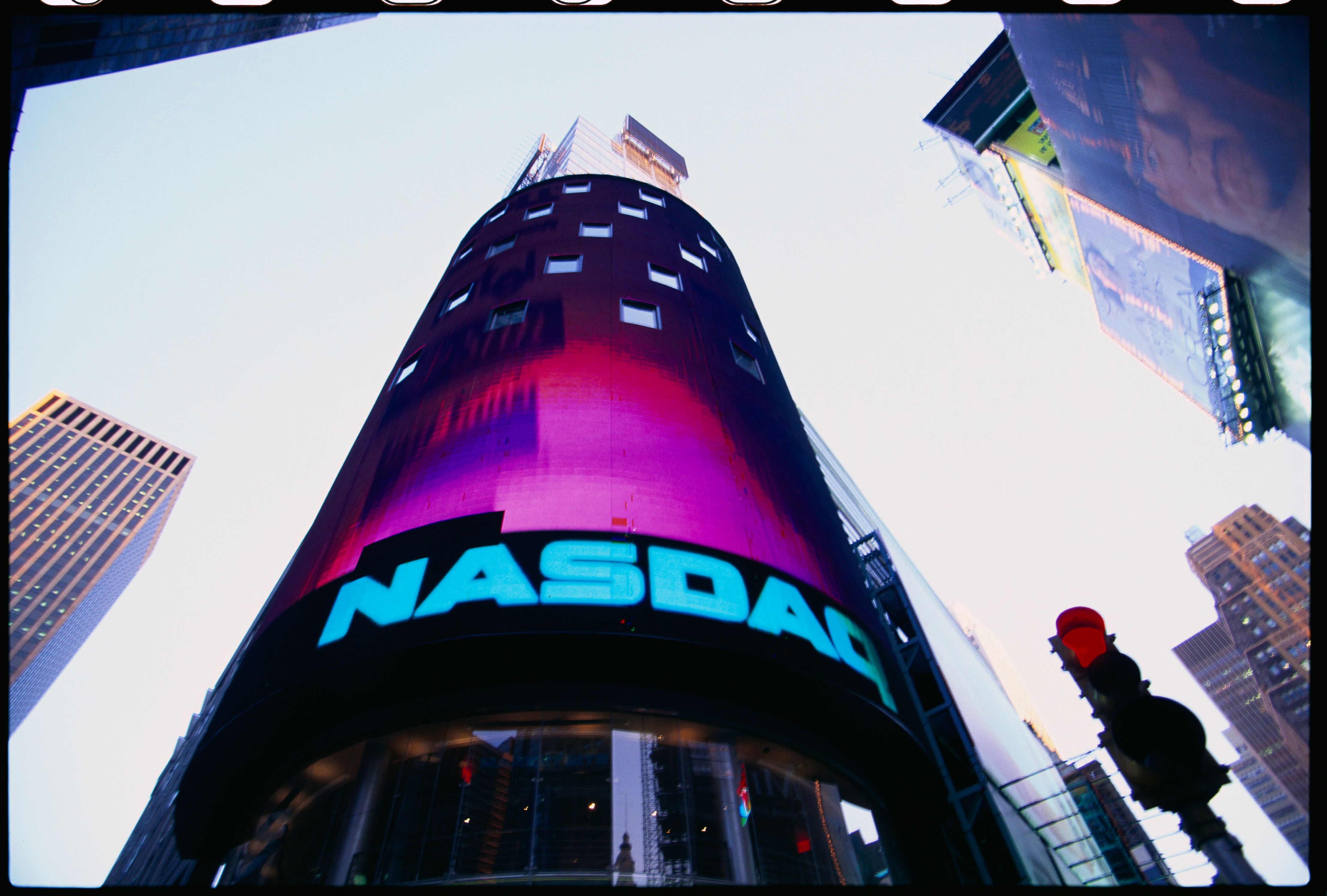
In March 2026, Janus Henderson and Centrifuge announced the launch of the first licensed fund that brings the Nasdaq‑100 onchain. The partnership combined Janus Henderson’s asset‑management expertise with Centrifuge’s blockchain infrastructure to create a token that tracks the Nasdaq‑100’s performance. The fund received the necessary regulatory approvals, meaning it operates under the same compliance framework as a conventional ETF, but its shares are issued as blockchain tokens.
What this means for you
Tokenized index funds give you a way to gain exposure to a diversified basket of stocks without opening a traditional brokerage account. Because the tokens live on a public ledger, you can hold them in any compatible crypto wallet, trade them on supported exchanges, and potentially settle transactions in minutes rather than days. This can be especially useful for people who already manage crypto assets and want to add a broader market exposure without juggling separate accounts.
However, tokenized funds also come with unique considerations. You remain dependent on the custodian to actually hold the securities, and you rely on the smart contract’s code to enforce redemption rights. If either the custodian or the contract fails, your token could lose its backing.
What to check before investing
- Regulatory status: Verify that the fund holds a license from the relevant financial authority and that the custodian is a recognized, regulated entity.
- Audits and transparency: Look for regular third‑party audits of both the custodial holdings and the smart contract code.
- Redemption mechanics: Understand how and when you can redeem tokens for the underlying securities or cash, and whether there are minimum amounts or fees.
- Liquidity: Check whether the token trades on multiple reputable exchanges and whether there is sufficient daily volume to enter and exit positions without large slippage.
- Security practices: Ensure the platform uses best‑in‑class security, such as multi‑signature custodial wallets and hardware‑based key management.
FAQ
Do tokenized index funds pay dividends?
Yes, if the underlying stocks pay dividends, the custodian collects them and distributes the proceeds to token holders, usually via the smart contract. The distribution frequency and method can vary, so review the fund’s prospectus for details.
Are tokenized funds safer than holding the stocks directly?
Safety depends on the custodian’s reputation and the robustness of the smart contract. Traditional holdings are protected by well‑established securities regulations, while tokenized funds add a layer of blockchain risk. Diversifying across both traditional and tokenized assets can mitigate exposure.
Can I use any crypto wallet to store these tokens?
Generally, you need a wallet that supports the specific blockchain and token standard used by the fund (e.g., ERC‑20 on Ethereum). Check the fund’s documentation for compatible wallets.
What fees are associated with tokenized index funds?
Fees typically include a management fee similar to an ETF’s expense ratio, plus any network transaction fees for minting, redeeming, or trading the token. Some platforms may also charge custody or custody‑insurance fees.
This article references reporting from coindesk.com.