
Are you curious about how you can earn money by buying, selling, or renting computer power? This article explains the basics of compute‑power markets, how they originated in cryptocurrency mining, and what you need to know before getting involved.
What a compute‑power market is and how it works
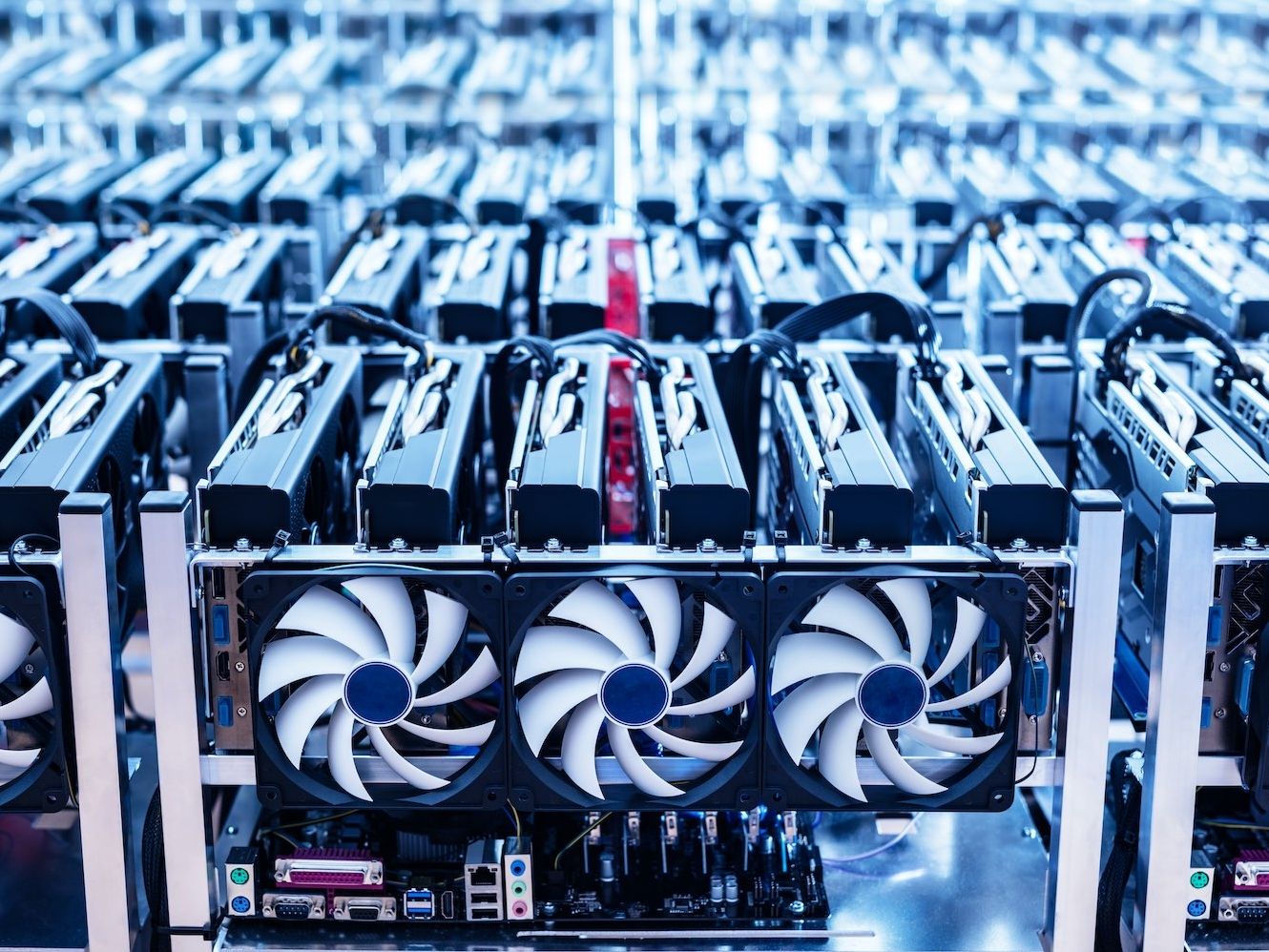
At its core, a compute‑power market is a platform where providers offer raw processing capacity—measured in units such as hash‑rate, GPU cores, or CPU cycles—and consumers purchase that capacity to run workloads. The most familiar example is cryptocurrency mining, where miners sell the hash‑rate of their rigs to mining pools or cloud‑mining services. The same infrastructure can be repurposed for other intensive tasks, such as training artificial‑intelligence (AI) models, scientific simulations, or rendering graphics.
Key terms you’ll encounter:
- Hash‑rate: The speed at which a mining device can perform the cryptographic calculations required to secure a blockchain. It is usually expressed in hashes per second (H/s) or its multiples (TH/s, PH/s).
- GPU: Graphics processing unit, a chip designed for parallel calculations. GPUs are popular for both mining (especially proof‑of‑work blockchains) and AI workloads.
- Cloud‑mining: A service that rents out mining power remotely. Users pay a fee and receive a share of the mined coins proportional to the rented hash‑rate.
- Compute marketplace: An online platform that matches sellers of raw processing power with buyers who need it for specific tasks.
In a compute marketplace, the price of capacity is set by supply and demand. When many miners have idle hardware—perhaps because a blockchain’s price falls or a network reduces its mining rewards—they may list that capacity for other uses. Conversely, when AI developers need large batches of GPUs for a short‑term training run, they can purchase that capacity without buying expensive hardware themselves.
Real‑world illustration
In March 2026, industry observers noted that Bitcoin miners were increasingly allocating their rigs to AI workloads, creating a new market for trading computing power. This shift was driven by a combination of lower Bitcoin prices and rising demand for AI training, prompting miners to seek alternative revenue streams. The development showed how a mining community can quickly repurpose its hardware to serve a different, lucrative market.
What it means for you
If you are looking to earn passive income online, a compute‑power market offers two main pathways:
- Rent out your hardware: If you own GPUs or ASIC miners (application‑specific integrated circuits designed for mining), you can list the unused capacity on a marketplace. You receive regular payments based on the amount of work your hardware performs.
- Buy compute power: If you need short‑term processing—such as training a small AI model, running a data analysis job, or mining a less competitive cryptocurrency—you can purchase capacity instead of investing in expensive equipment.
Both approaches let you monetize computing resources without committing to long‑term ownership of a specific blockchain’s rewards.
How to evaluate a compute‑power platform
- Transparency of pricing: Look for clear, real‑time rates for hash‑rate or GPU hours. Hidden fees can erode earnings.
- Hardware reliability: Platforms should disclose the type, age, and maintenance schedule of the equipment they offer. Older ASICs may be less efficient, while newer GPUs command higher rates.
- Security and contracts: Ensure the marketplace uses secure smart contracts or legally binding agreements to protect both parties from fraud.
- Energy source: Since electricity costs dominate mining profitability, platforms that source power from renewable or low‑cost grids can offer better margins.
- Reputation and reviews: Check community feedback and any third‑party audits. A platform with a history of timely payouts and responsive support is less risky.
FAQ
Can I earn money by renting out a single GPU?
Yes, but earnings depend on the GPU’s performance, the current market demand, and the platform’s fee structure. High‑end GPUs used for AI can command higher rates than older models.
Is it safe to rent compute power for mining?
Safety hinges on the platform’s contract terms and reputation. Use marketplaces that escrow payments and provide transparent hardware specifications to reduce the risk of fraud or under‑performance.
How does the price of compute power compare to buying hardware outright?
Renting avoids upfront capital costs and maintenance, making it attractive for short‑term projects. However, if you plan to run workloads continuously for years, purchasing hardware may become cheaper in the long run, assuming you can manage electricity and cooling costs.
Do I need to understand cryptocurrency to participate?
Not necessarily. While many compute‑power markets originated in crypto mining, the same platforms now serve AI and other compute‑intensive tasks. Basic knowledge of how hardware performance is measured (hash‑rate, GPU cores) is sufficient.
This article references reporting from coindesk.com.





