
Are you wondering why the value of Bitcoin matters to anyone who runs a mining rig or joins a mining pool? This article explains how Bitcoin’s market price directly impacts the earnings you can expect from mining, and what you can do to protect your profitability.
What mining profitability really means
Bitcoin mining is the process of validating transactions and adding new blocks to the blockchain. Miners compete to solve a cryptographic puzzle; the first to find a valid solution earns the block reward (currently 6.25 BTC) plus any transaction fees included in that block. The reward is paid in Bitcoin, not in fiat currency.
Because the reward is denominated in Bitcoin, the amount of fiat money you earn depends on the market price of Bitcoin at the moment the block is mined. If Bitcoin is trading at $80,000, a block reward of 6.25 BTC translates to $500,000 before you subtract costs. If the price falls to $70,000, the same block is worth $437,500. The difference can be the margin between profit and loss.
Mining also incurs operational costs—primarily electricity, hardware depreciation, and cooling. These costs are usually expressed in dollars per kilowatt‑hour (kWh). When Bitcoin’s price rises, the dollar value of the reward grows faster than most electricity costs, improving the profit margin. When the price drops, the margin shrinks and can become negative if costs exceed revenue.
Real‑world illustration
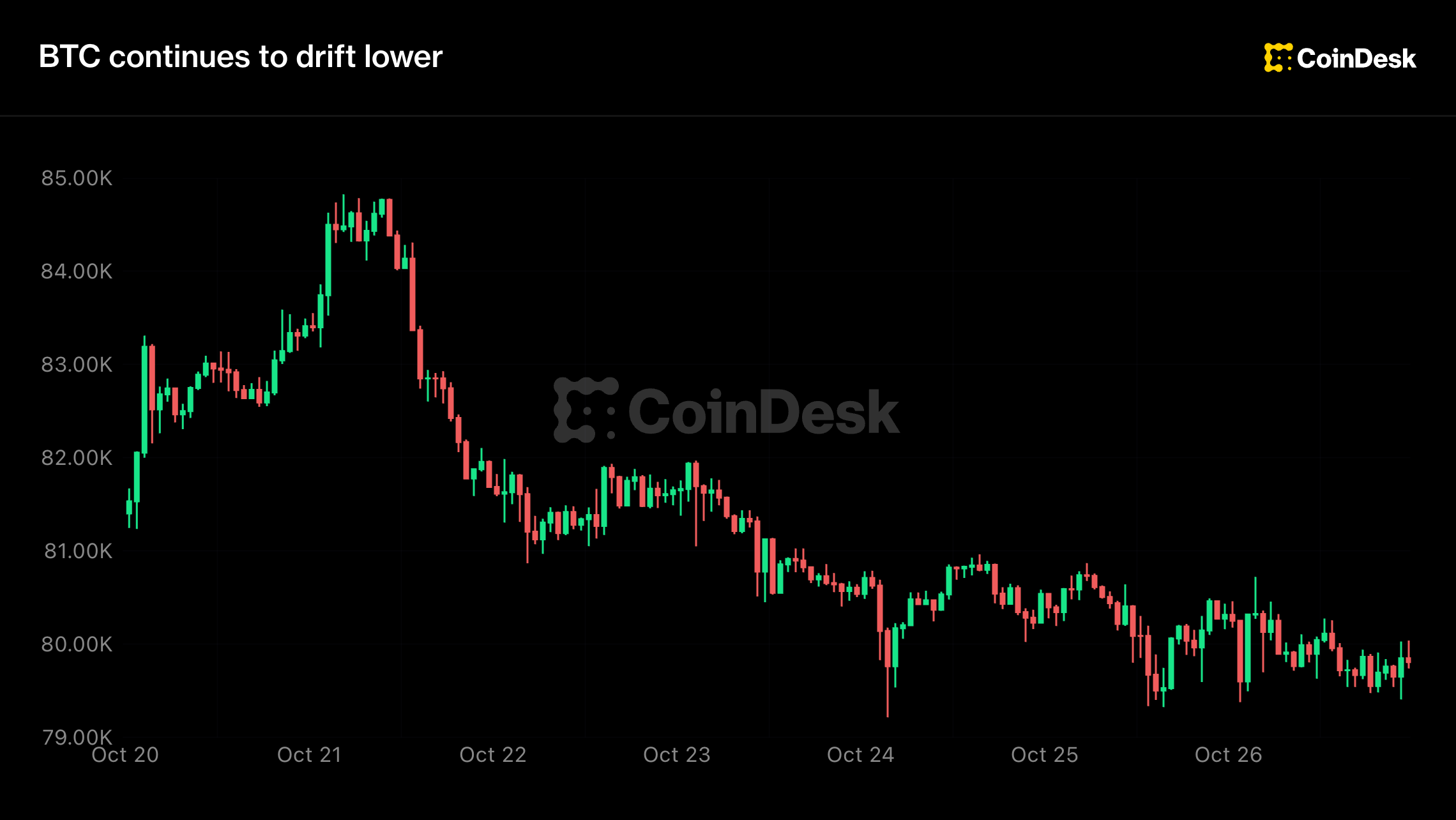
On March 12 2026, Bitcoin slipped from $84,459 to about $79,750, a decline of roughly 0.6 % in a single day. Over the same week the price fell 2.5 %. For miners, that dip meant each newly minted block was worth several thousand dollars less than a week earlier. At the same time, the broader market was distracted by a massive influx of capital into artificial‑intelligence ventures, with companies like Meta and Anthropic seeking up to $200 billion in funding. The shift in investor attention highlighted how external market forces—whether macro‑economic policy or sector‑specific hype—can quickly affect Bitcoin’s price and, by extension, mining earnings.
What this means for you
If you are running a mining rig at home, joining a cloud‑mining service, or participating in a pool such as EcoPool, you need to monitor Bitcoin’s price as closely as you monitor your electricity bill. A sustained price decline can turn a previously profitable operation into a loss‑making one. Conversely, a price rally can boost returns, but it may also attract more miners, increasing the network’s hashrate (total computational power) and making the puzzle harder to solve.
Because difficulty adjusts roughly every two weeks to keep block times at ten minutes, a sudden price surge can be offset by a rise in difficulty as more miners join. Therefore, profitability is a moving target that depends on three variables: Bitcoin price, network difficulty, and operational costs.
How to evaluate mining profitability
- Calculate break‑even electricity cost. Use an online mining profitability calculator and input your hardware’s hash rate, power consumption, and local electricity price. The calculator will show the Bitcoin price needed to break even.
- Track network difficulty. Difficulty is published on block explorers. A rising difficulty signals more competition, which can erode earnings even if the price stays flat.
- Consider hardware efficiency. Newer ASIC models often deliver more hashes per watt, lowering your electricity cost per Bitcoin earned.
- Plan for price volatility. Keep a reserve fund to cover operating costs during downturns, or use a portion of your earnings to hedge against price drops.
- Evaluate pool fees. Mining pools charge a percentage of rewards (typically 1‑2 %). Compare several pools to ensure the fee structure aligns with your profit goals.
FAQ
Why does a higher Bitcoin price not always mean higher profit?
A price increase often attracts new miners, which raises the network’s difficulty. If the difficulty climbs faster than the price, the average reward per miner can stay the same or even fall.
Can I mine profitably with cheap electricity?
Low electricity rates are a key factor, but you also need efficient hardware and a stable Bitcoin price. Even with cheap power, a prolonged price slump can make mining unprofitable.
What is the difference between solo mining and pool mining?
Solo mining means you keep the entire block reward when you find a block, but the chances of finding one are low. Pool mining combines the hash power of many participants; you receive a small, steady share of each block’s reward, which smooths income.
How often does the network difficulty change?
Difficulty is adjusted every 2016 blocks, roughly every two weeks, to maintain an average block time of ten minutes regardless of how much total hash power is online.
This article references reporting from coindesk.com.





