
Are you wondering why Bitcoin and other cryptocurrencies sometimes move independently of stock markets, or how a central bank’s decisions can affect your online earnings? This article explains the relationship between macroeconomic policy—especially interest‑rate decisions—and crypto price dynamics, so you can better anticipate the forces that shape your passive income streams.
What macroeconomic policy is and how it touches crypto
Macroeconomic policy refers to the actions that governments and central banks take to steer the overall economy. The most visible tool is the interest rate, the cost of borrowing money. When a central bank raises rates, borrowing becomes more expensive, consumer spending can slow, and investors often shift money into safer assets like government bonds. When rates are lowered, borrowing cheapens, spending can increase, and riskier assets such as stocks and cryptocurrencies become more attractive.
Cryptocurrencies are not tied to any single economy, but they are still traded by people who respond to the same economic signals that affect traditional markets. A change in the Federal Reserve’s policy, for example, can influence the dollar’s strength, inflation expectations, and the overall appetite for risk. Those factors ripple through crypto markets, affecting both spot prices and the profitability of activities like staking, lending, or cloud mining.
Real‑world illustration
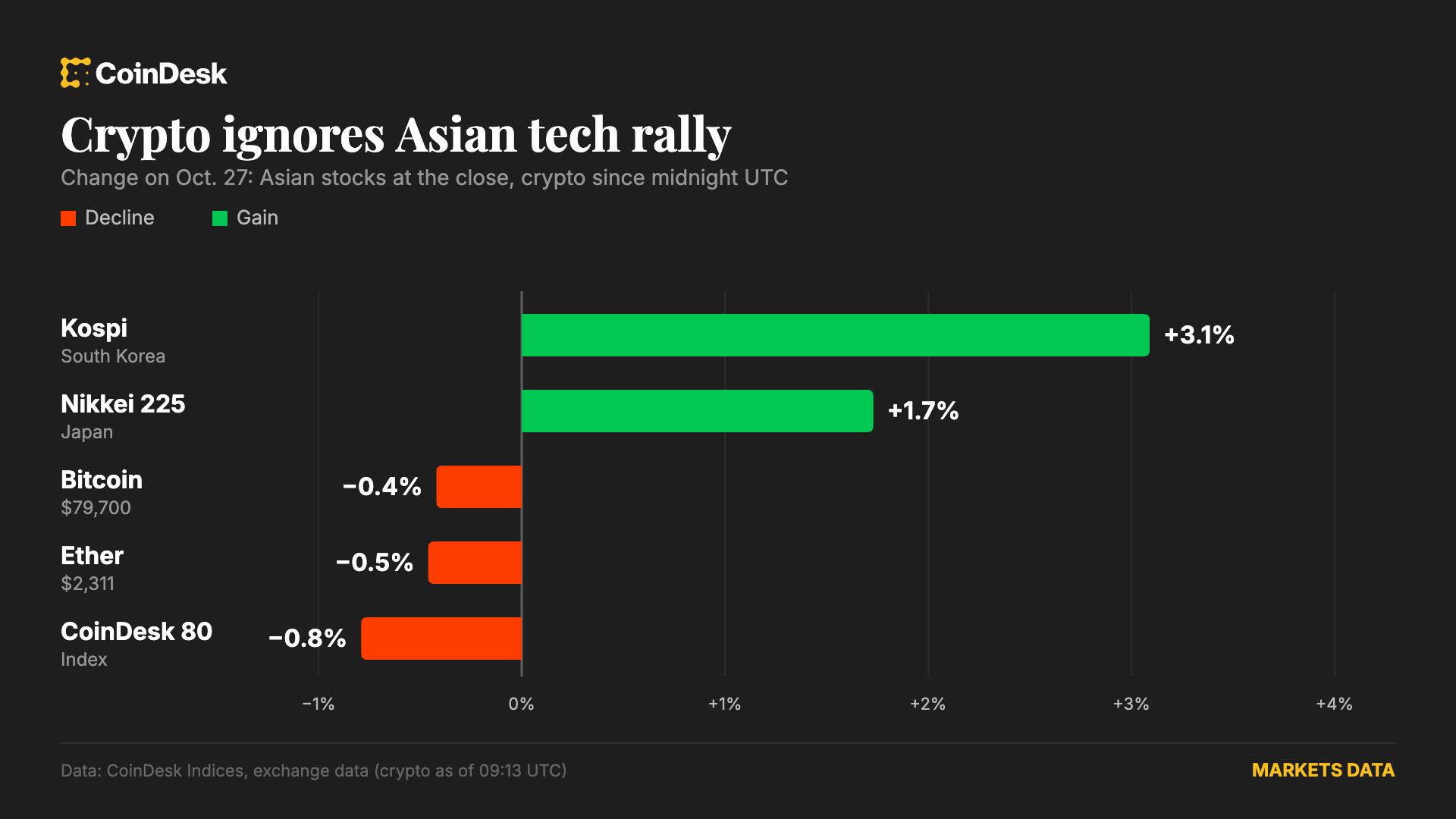
On a Tuesday in March 2026, Bitcoin slipped below the $80,000 mark, trading around $79,700, while Ether fell 0.5 %. At the same time, Asian tech stocks rallied, with South Korea’s Kospi gaining 3.1 %. The U.S. Federal Reserve had just begun a two‑day policy meeting, and market tools indicated about a 90 % chance that the Fed would leave rates unchanged. Despite the strong tech rally, crypto prices did not follow, highlighting how the anticipation of monetary policy can decouple crypto from other equity markets.
What this means for you
If you earn crypto through staking, lending, or cloud‑based mining, price movements directly affect the value of your rewards. A dip in Bitcoin’s price reduces the dollar value of any BTC you earn, even if the number of coins stays the same. Conversely, a period of low or stable rates can boost demand for higher‑yielding crypto assets, potentially increasing both price and reward rates.
Understanding the macro backdrop helps you decide when to lock in earnings, when to convert to stablecoins, or when to diversify into assets that are less sensitive to interest‑rate swings. It also informs how you manage risk in your overall portfolio.
How to assess the macro environment before you earn
- Watch central‑bank calendars. Note upcoming meetings of the Fed, European Central Bank, or other major policymakers. Their decisions often set the tone for risk appetite.
- Follow the yield curve. A steepening curve (long‑term rates rising faster than short‑term) can signal expectations of future inflation, which historically has been supportive of crypto as an inflation hedge.
- Monitor dollar strength. A strong dollar can pressure crypto prices, while a weakening dollar often coincides with crypto rallies.
- Check funding rates on futures. Positive funding indicates longs are paying shorts, suggesting bullish sentiment despite a price dip.
- Evaluate your earnings horizon. If you plan to hold rewards for months, short‑term price swings matter less than the overall trend driven by macro policy.
FAQ
Why does a rate hike sometimes cause crypto prices to fall?
Higher rates make borrowing costlier, encouraging investors to move money into lower‑risk assets that now offer better returns, such as bonds. This shift reduces demand for riskier assets like crypto, pushing prices down.
Can crypto still rise when the dollar is strong?
Yes. If investors expect inflation to erode the dollar’s purchasing power over the long term, they may still buy crypto as a hedge, supporting prices even during a strong‑dollar period.
Should I convert my crypto earnings to stablecoins during a rate‑sensitive dip?
Converting to stablecoins can protect the dollar value of your earnings if you anticipate a prolonged downturn. However, stablecoins typically earn lower yields, so weigh the trade‑off between price risk and reduced passive income.
Do all crypto assets react the same way to monetary policy?
No. Assets like Bitcoin, which are often viewed as a store of value, may react differently than DeFi tokens that rely on lending protocols. Each token’s utility and market perception shape its sensitivity to macro factors.
This article references reporting from coindesk.com.





