
Ever wonder how you could earn money by providing or using artificial‑intelligence (AI) processing power? This article explains the concept of turning AI compute into a tradable commodity, how token‑based pricing works, and what it means for anyone looking to earn online.
What does it mean to token‑price AI compute?
At its core, tokenizing AI compute means representing the amount of processing power needed for an AI task with a digital token. When an AI model runs an inference—that is, when it makes a prediction or generates an output—it consumes a certain amount of compute, measured in units such as FLOPs (floating‑point operations). By assigning a token value to each unit, a network can create a market where supply (available compute) meets demand (AI applications that need it).
Key terms:
- Compute unit: A measurable amount of processing power, often expressed in FLOPs or similar metrics.
- Token: A blockchain‑based asset that can be transferred, stored, and used as a medium of exchange.
- Spot price: The current market price for a commodity—in this case, the price of one compute unit expressed in tokens.
- Derivative: A financial contract whose value is based on the price of an underlying asset, such as a futures contract on compute price.
When a network records how much compute each AI task consumes, it can aggregate that data to calculate a real‑time spot price for compute. This price can then be used to settle payments, create futures contracts, or build other financial products that let participants hedge or speculate on the cost of AI processing.
Why a universal benchmark matters
Today, AI developers pay cloud providers (like AWS, Azure, or Google Cloud) at rates that vary by region, contract, and service tier. There is no single, transparent price that reflects the true market value of a unit of AI compute. Without a benchmark, it is difficult for smaller players to compare offers, for investors to assess profitability, or for anyone to create standardized financial products.
A token‑based spot price serves as that benchmark. It provides a single reference that anyone can use, regardless of which provider they choose. When the price is liquid—meaning many buyers and sellers trade it—the market can support derivatives, allowing participants to lock in future compute costs or bet on price movements.
Real‑world illustration
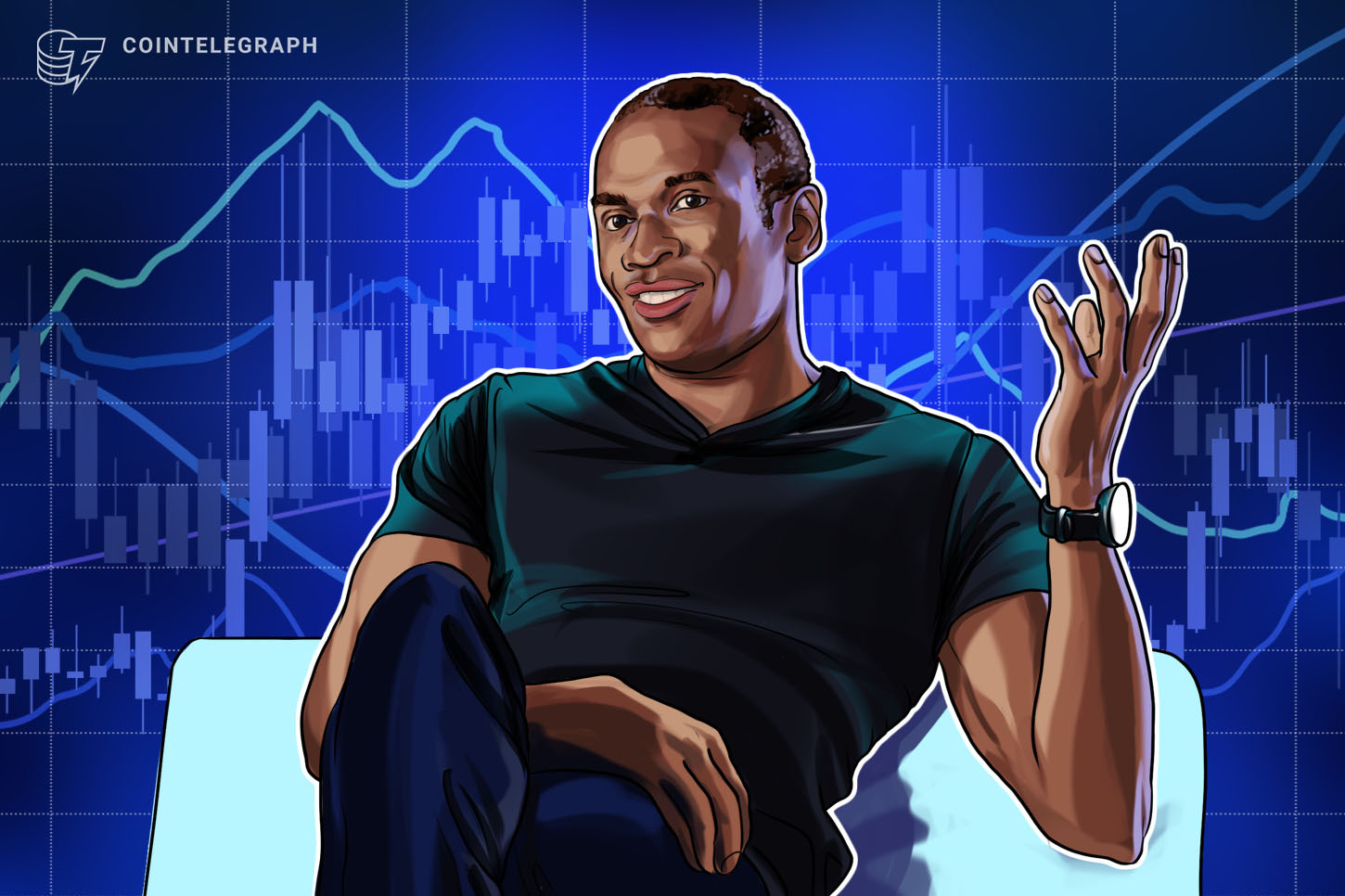
In October 2026, Arthur Hayes, co‑founder of BitMEX and CEO of Flop Labs, outlined a design for the Flop Network that would turn AI compute into a tradable commodity. Hayes proposed measuring the compute delivered for each AI inference task and using that data to derive a spot price denominated in the network’s native token, FLOP. He argued that a liquid spot compute market would enable derivatives based on that price, creating a “global benchmark for spot compute.” This announcement came shortly after Hayes sold a large portion of his personal altcoin holdings, highlighting the growing interest in linking crypto assets to real‑world services.
What it means for you
If you have spare processing capacity—whether on a personal GPU, a home server, or a dedicated mining rig—you could potentially earn tokens by offering that compute to AI tasks. Conversely, if you run AI workloads, you could pay for compute with tokens, potentially at lower cost than traditional cloud providers, especially when the market is competitive.
Beyond direct payments, the emergence of compute derivatives means you could hedge against rising AI processing costs. For example, buying a futures contract that locks in today’s compute price could protect a startup that expects to scale its AI usage over the next year.
How to evaluate a compute‑token platform
- Transparency of pricing data: Check whether the platform publishes real‑time metrics on compute usage and token pricing.
- Liquidity: A healthy spot market should have enough participants to allow you to buy or sell tokens without large price swings.
- Security and decentralization: Ensure the network’s smart contracts have been audited and that compute providers are distributed, reducing single points of failure.
- Reward structure: Understand how providers are compensated—whether it’s a fixed token rate per compute unit or a dynamic market‑driven rate.
- Regulatory compliance: Verify that the platform complies with relevant financial and data‑privacy regulations in your jurisdiction.
FAQ
Can I earn tokens by running AI models on my own hardware?
Yes, if a platform accepts compute contributions from individual providers. You would typically install a client that tracks the amount of work your hardware performs and credits you with tokens based on the prevailing spot price.
Do I need to own the platform’s native token to use its services?
Usually, the native token is used for payment and settlement, so you will need some of it to pay for compute. Some platforms also allow conversion from other cryptocurrencies, but this may involve additional fees.
What risks are involved?
Token prices can be volatile, which means the value of earned tokens may fluctuate. Additionally, if the network’s security is compromised, you could lose both compute capacity and earned tokens. Always consider diversification and only allocate surplus resources.
How are derivatives on compute different from traditional futures?
Compute derivatives are settled in tokens and are tied to a specific metric—such as FLOPs per second—rather than a physical commodity. This makes them more directly linked to the digital services you use or provide.
This article references reporting from cointelegraph.com.





