Wondering why your crypto exchange might be vulnerable and what you can do to keep your assets safe? This article explains the common ways exchanges are compromised, the role of employee access, and practical steps you can take to protect your holdings.
The plain explanation
A crypto exchange is a platform that lets users buy, sell, and store digital assets. To operate, an exchange needs a complex IT infrastructure that includes servers, databases, wallets, and internal tools used by staff. Security in this context means protecting the platform from unauthorized access, whether from external hackers or insiders.
Most attacks fall into two broad categories:
- External breaches: hackers exploit software vulnerabilities, phishing attacks, or weak network defenses to infiltrate the exchange’s systems.
- Insider threats: employees or contractors who have legitimate access to internal systems misuse that access, either intentionally or inadvertently.
When an attacker gains access to an employee’s credentials—often through phishing emails, credential stuffing, or compromised passwords—they can move laterally within the network. This may allow them to reach hot wallets (online wallets used for daily transactions) or admin panels that control fund transfers. Because hot wallets hold large amounts of cryptocurrency for immediate withdrawals, compromising them can lead to massive thefts.
Exchanges mitigate risk by using cold storage (offline wallets that are never connected to the internet) for the bulk of their assets, implementing multi‑factor authentication (MFA), and enforcing strict role‑based access controls. However, no system is foolproof, and human error remains a significant weak point.
A real example
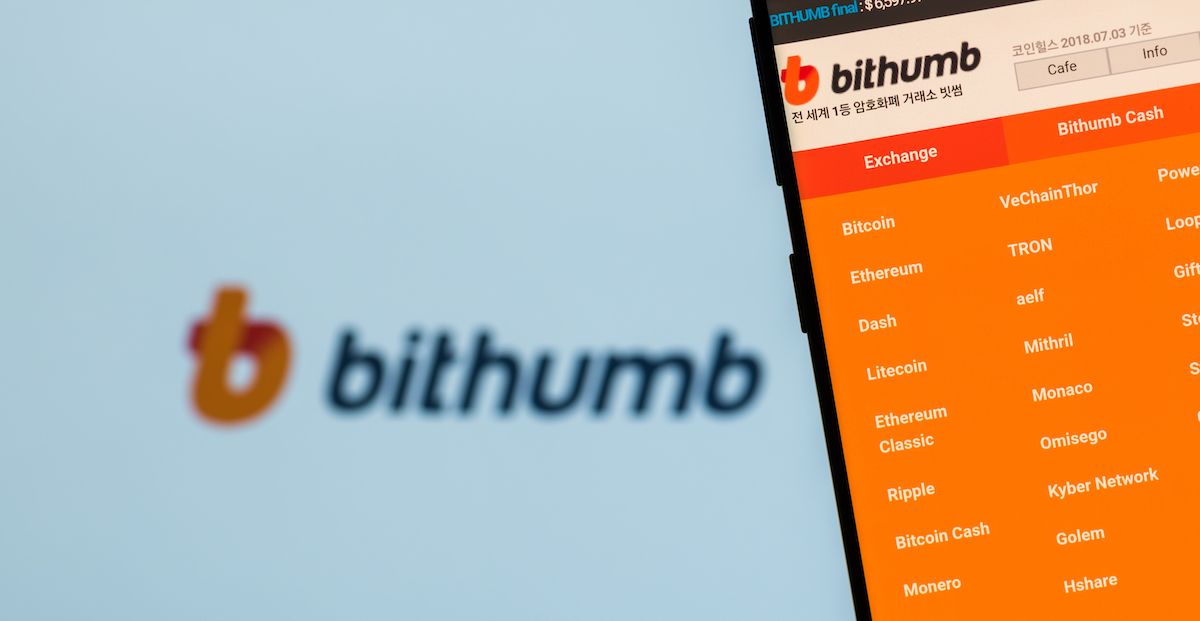
In March 2026, South Korean exchange Bithumb suffered a hack that originated from an employee’s system. Attackers used the compromised employee credentials to navigate internal tools and ultimately transfer funds out of the exchange’s hot wallets. The incident highlighted how a single compromised staff account can open a pathway to large‑scale theft, even when other security measures are in place.
What it means for you
If you keep your crypto on an exchange, you are trusting the platform’s security team and its employees. A breach like Bithumb’s shows that even well‑established exchanges can be vulnerable. This doesn’t mean you must avoid exchanges entirely, but it does underscore the importance of diversifying where you store assets and understanding the risks involved.
What to check / how to judge
- Cold storage ratio: Look for exchanges that disclose what percentage of user funds are kept in offline wallets. The higher the ratio, the less exposure to online attacks.
- Security certifications: Audits from reputable firms, bug bounty programs, and compliance with standards such as ISO 27001 indicate a proactive security posture.
- Employee access policies: Platforms that enforce strict role‑based access, MFA for all internal tools, and regular employee security training are less likely to suffer insider‑related breaches.
- Insurance or compensation funds: Some exchanges maintain a reserve to reimburse users in case of a hack. Check the terms and limits of any such coverage.
- Withdrawal limits and alerts: Features that let you set daily withdrawal caps or receive instant notifications of large transfers add an extra layer of personal protection.
FAQ
Can I completely avoid risk by keeping my crypto in a personal wallet?
Storing assets in a personal hardware wallet eliminates reliance on an exchange’s security, but it shifts responsibility to you. You must safeguard the device, backup seed phrases, and protect against physical loss or theft.
What is a “hot wallet” and why is it risky?
A hot wallet is an online wallet connected to the internet for quick access and withdrawals. Because it is reachable by network attacks, any compromise can lead to immediate fund loss, which is why exchanges keep only a small portion of total assets in hot wallets.
How does multi‑factor authentication help?
MFA requires two or more verification steps (e.g., password plus a time‑based code) before granting access. This makes it significantly harder for attackers who have obtained a password to log in, especially for privileged accounts.
Should I use a different exchange for each crypto I hold?
Using multiple exchanges can reduce exposure to a single point of failure, but it also increases complexity and may dilute security oversight. Balance diversification with the ability to monitor each platform’s security practices effectively.
This article references reporting from coindesk.com.