Are you curious about how software that can trade on its own could affect your crypto earnings? This article explains what autonomous AI agents are, how they operate in the crypto market, and what you should watch for when using or building them.
The plain explanation
An autonomous AI agent is a piece of software that can make decisions and execute trades without a human pressing a button each time. The agent is powered by a machine‑learning model that analyses market data—prices, volumes, news, on‑chain activity—and then generates a trade order based on its programmed strategy.
Key terms:
- Staking: locking up a cryptocurrency (like Ether) to help secure a network and earn a reward.
- Memecoin: a cryptocurrency created mainly for fun or hype, often with no serious technical purpose.
- Know‑Your‑Customer (KYC): a regulatory process that verifies the identity of a user before they can trade.
- Agentic wallet: a crypto wallet that gives permission to an AI agent to spend or trade within set limits.
In a traditional setup, a trader decides what to buy or sell, then submits the order to an exchange. With an autonomous agent, the decision‑making loop is closed inside the software: data comes in, the model evaluates it, and the order is sent automatically. Because the agent can operate 24/7, it can react to market moves faster than a human could.
A real example
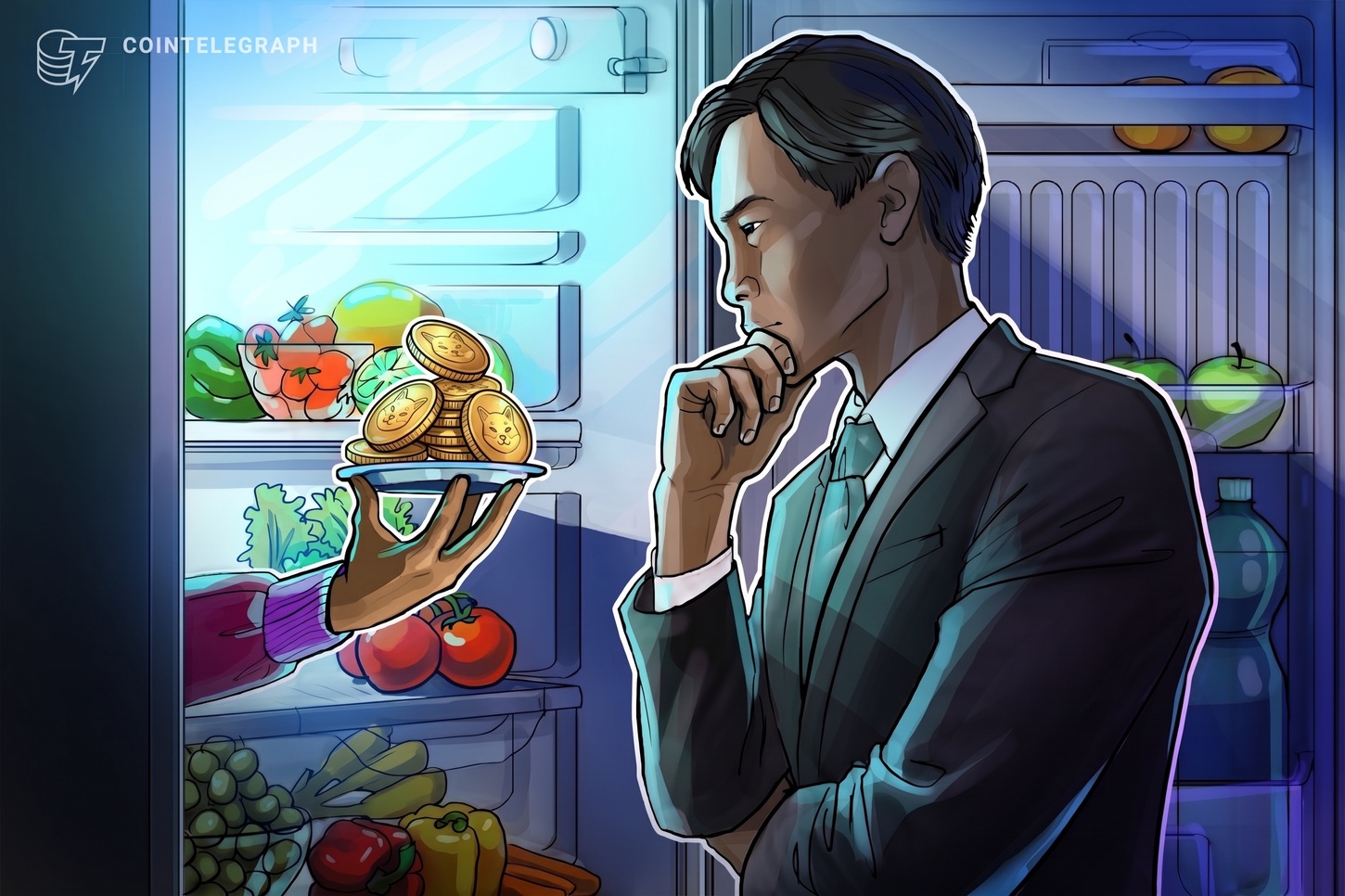
In October 2026, CFTC Chair Michael Selig warned that “it’s no longer science fiction” to imagine a refrigerator automatically purchasing groceries with money earned from staking Ether, or even launching its own memecoin. He highlighted that regulators built rules around “identifiable market participants,” but autonomous software blurs that line.
At the same time, major exchanges have already rolled out tools that let users attach AI agents to their accounts. Coinbase introduced Agentic Wallets in February 2026, allowing agents to trade within user‑defined limits, while Binance launched AI Agent Skills in March 2026 to provide market data and order‑placement capabilities.
What it means for you
If you are looking to earn passive income through staking or trading, autonomous agents can offer two main benefits:
- Speed and consistency: The agent can monitor price changes and execute trades instantly, potentially capturing opportunities that a human might miss.
- Accessibility: Smaller investors can access sophisticated risk‑management tools that were once reserved for large institutions.
However, the same speed introduces new risks. An agent might misinterpret a sudden market swing, leading to large, unintended positions. If many users rely on similar AI models, their trades can become correlated, amplifying market moves and increasing the chance of flash crashes.
What to check / how to judge
- Transparency of the model: Look for agents that disclose the data sources and the logic behind their decisions.
- Permission limits: Use wallets that let you set maximum spend, trade size, and daily loss caps.
- Developer accountability: Verify whether the agent’s creator is registered with relevant regulators or provides clear liability statements.
- Audit and security: Prefer agents that have undergone third‑party code audits and have a track record of secure operation.
- Monitoring tools: Keep an eye on real‑time performance dashboards so you can intervene if the agent behaves unexpectedly.
FAQ
Can I trust an AI agent with my entire staking reward?
It is safer to allocate only a portion of your staking earnings to an autonomous agent, especially if you are new to the technology. Set strict limits on how much the agent can spend or reinvest.
Who is legally responsible if an AI agent makes a bad trade?
Regulators are still figuring this out. In many jurisdictions, the user who authorizes the agent remains liable, but developers may also face registration or liability requirements if they market the agent as a financial service.
Do autonomous agents work on all blockchains?
Most agents currently focus on major networks like Ethereum, Binance Smart Chain, and Solana because they have robust APIs and liquidity. Support for newer or niche chains may be limited.
How can I avoid correlated trading risks?
Choose agents that incorporate diverse data inputs and allow you to customize strategies. Avoid using the exact same pre‑built model as a large crowd of users, as this can lead to synchronized buying or selling.
This article references reporting from cointelegraph.com.