Wondering why a crypto platform you trust might suddenly stop working or, worse, lose your funds? This article explains how third‑party services are used in crypto applications, the risks they introduce, and what you can do to protect yourself when earning or trading online.
What are third‑party providers and why do crypto platforms rely on them?
Most crypto applications—exchanges, prediction markets, lending services, and cloud‑mining platforms—do not build every piece of their technology from scratch. Instead, they integrate external tools such as:
- Application Programming Interfaces (APIs): software bridges that let a platform retrieve price data, execute trades, or connect to wallets.
- Infrastructure services: cloud servers, database hosts, or content‑delivery networks that store and process user data.
- Identity and compliance solutions: services that verify users’ identities and monitor transactions for anti‑money‑laundering (AML) rules.
Using these services speeds up development and can improve performance, but it also means the platform’s security depends partly on the security of its vendors. If a vendor is breached, attackers may gain access to the platform’s systems, user accounts, or even the funds held on behalf of users.
How a third‑party breach can affect users
When a vendor is compromised, the attacker may obtain API keys, authentication tokens, or other credentials that allow them to act as if they were the platform itself. Common outcomes include:
- Unauthorized withdrawals or trades, as seen when positions are sold without the owner’s consent.
- Manipulation of price feeds, leading to incorrect trade execution.
- Temporary shutdown of services while the platform investigates and patches the issue.
Because the breach originates outside the platform’s direct control, the response can be slower, and users may experience loss of access or funds before the issue is resolved.
Real‑world illustration
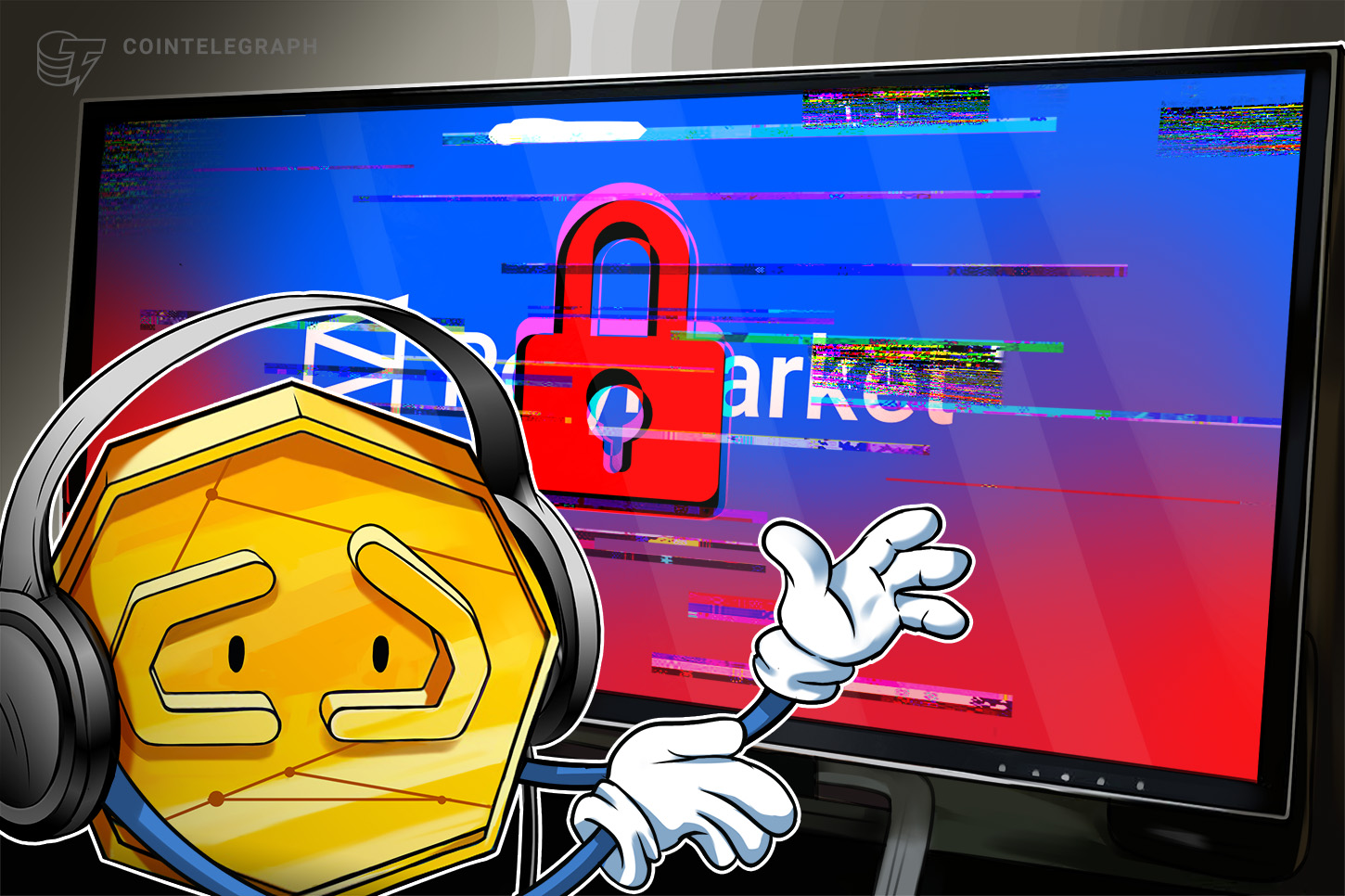
In October 2026, the prediction‑markets platform Polymarket announced that it had to suspend trading after a “major outage” in its Predictions Trading API. The company identified that one of its third‑party providers had been compromised, leading to user accounts being drained of thousands of dollars as positions were sold without consent. Polymarket moved the platform into “cancel‑only” mode, worked with law enforcement, and later restored operations, promising to make affected users whole.
What this means for you as an online earner
If you earn passive income or trade on platforms that rely on external services, a vendor breach can temporarily halt your earnings, expose your balances, or even result in loss of capital. While many platforms have insurance or compensation policies, those processes can take time, and the immediate impact on cash flow may be significant.
What to check before trusting a platform
- Vendor transparency: Does the platform disclose which third‑party services it uses? Look for security audits or certifications of those vendors.
- Security practices: Verify that the platform employs multi‑factor authentication (MFA), hardware security modules (HSMs) for key storage, and regular penetration testing.
- Incident response plan: A reputable service will have a public statement outlining how it handles breaches, including communication timelines and compensation procedures.
- Insurance or compensation funds: Some platforms maintain a reserve or purchase cyber‑insurance to cover user losses in the event of a breach.
- Community feedback: Check forums, social media, and independent reviews for past incidents and how they were resolved.
FAQ
What is an API key and why is it risky if leaked?
An API key is a secret code that lets a service access another system on your behalf. If an attacker obtains it, they can execute trades, move funds, or read private data as if they were the legitimate user.
Can I protect my account with a hardware wallet?
Hardware wallets keep private keys offline, which protects them from remote hacks. However, if a platform’s backend is compromised, the attacker may still move funds that are already on the platform, so using a hardware wallet for storage and limiting on‑platform balances is advisable.
Should I stop using a platform after a breach?
Not necessarily. Evaluate the platform’s response: speed of remediation, communication clarity, and whether they compensated affected users. If the response is inadequate, consider moving your assets to a more secure service.
How often should I review a platform’s security posture?
Periodically—at least once a year—or whenever you hear news of a breach involving a vendor the platform uses. Staying informed helps you act quickly if a new risk emerges.
This article references reporting from cointelegraph.com.