
Ever wonder why a crypto exchange might suddenly stop letting you trade or withdraw funds? This article explains how regulatory compliance and international sanctions shape the services that exchanges can offer, and what that means for everyday users who want to earn or trade online.
What compliance means for a crypto exchange
A cryptocurrency exchange is a platform that lets users buy, sell, and store digital assets. To operate legally, exchanges must follow the laws of the jurisdictions where they are based and where their customers reside. Regulatory compliance involves meeting anti‑money‑laundering (AML) rules, know‑your‑customer (KYC) requirements, and any sanctions or trade restrictions imposed by governments or international bodies.
When an exchange is headquartered in a country with relatively light regulation, it may still need to block users from nations that are subject to sanctions. Sanctions are official prohibitions that prevent entities from providing services to individuals or businesses in targeted countries. Violating sanctions can lead to hefty fines, loss of banking relationships, or even criminal charges.
Exchanges typically enforce compliance by:
- Collecting identity documents and proof of residence during account creation (KYC).
- Screening wallet addresses and transaction patterns for suspicious activity (AML).
- Maintaining a list of sanctioned jurisdictions and automatically restricting access for IP addresses or account details that match those regions.
- Cooperating with regulators by providing transaction data when requested.
Real‑world illustration: KuCoin’s service suspension
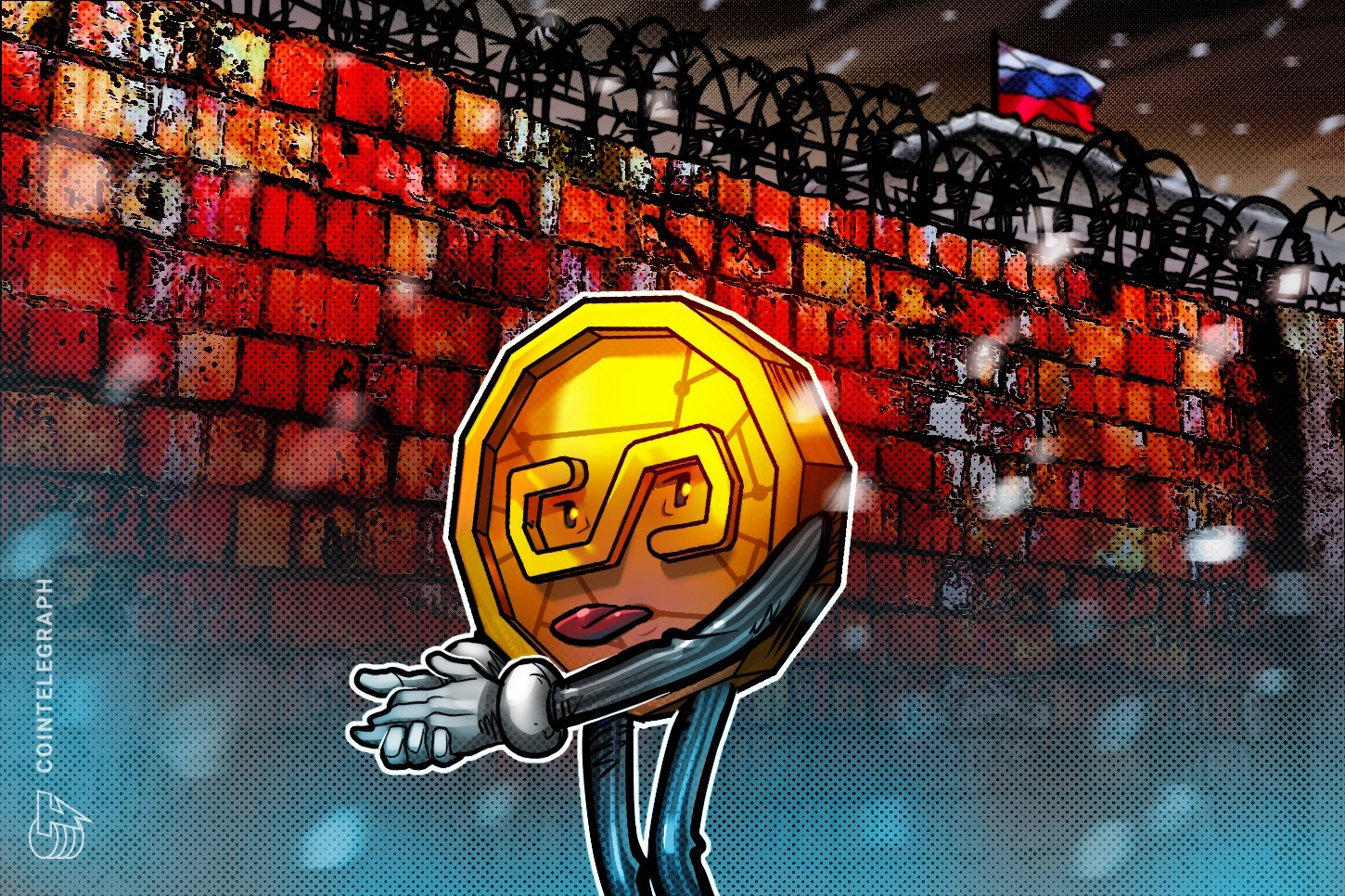
In October 2026, the cryptocurrency exchange KuCoin announced that it would immediately suspend all products and services for users based in Russia and Belarus. The company cited “legal and regulatory compliance” as the reason, noting that the two countries are currently targeted by international sanctions led by the United States and Europe because of the war in Ukraine. KuCoin offered an “orderly exit process” so affected users could withdraw their assets before the accounts were closed.
This move mirrors a broader trend where crypto platforms adjust their geographic coverage to stay aligned with evolving sanctions regimes. Around the same time, Russia’s central bank approved a self‑regulatory organization for crypto exchanges, requiring registered entities to join within 90 days, further emphasizing the regulatory pressure on the industry.
What this means for you
If you live in a country that is under sanctions, or if you travel to one, you may find that certain exchanges no longer allow you to log in, trade, or withdraw funds. Even if your home country is not sanctioned, an exchange based elsewhere might block access to protect itself from regulatory risk. This can affect your ability to earn passive income through staking, cloud mining rewards, or other on‑chain activities that rely on a functional exchange account.
When an exchange disables services, you typically have a short window to move your assets to a wallet you control or to another compliant platform. Failing to act in time can result in frozen funds, which may be difficult or impossible to recover.
How to evaluate an exchange’s compliance posture
- Check the exchange’s jurisdiction. Know where the company is incorporated and where it holds licenses. Exchanges based in well‑regulated regions often have clearer compliance frameworks.
- Review the KYC/AML policy. A transparent policy that explains what documents are required and how data is stored is a good sign of seriousness.
- Look for a sanctions compliance statement. Reputable platforms will list the countries they do not serve and explain how they enforce those rules.
- Monitor regulatory news. Changes in sanctions or new self‑regulatory bodies can affect service availability. Staying informed helps you act before an exchange shuts down access.
- Maintain personal custody. Keep a portion of your crypto in a hardware or software wallet that you control. This reduces reliance on any single exchange for asset safety.
FAQ
Why do some exchanges stop serving certain countries?
Exchanges must obey international sanctions and local laws. Serving a sanctioned country can expose them to legal penalties, loss of banking partners, and reputational damage, so they often block access preemptively.
Can I still trade crypto if my exchange disables my account?
Yes, you can move your assets to another compliant exchange or to a personal wallet. It’s important to act quickly during the “orderly exit” period offered by the platform.
What risks are there in using an exchange that operates in a loosely regulated jurisdiction?
Such exchanges may have weaker compliance measures, making them more vulnerable to regulatory crackdowns. This can lead to sudden service suspensions, asset freezes, or loss of funds if the platform is forced to shut down.
How can I protect my crypto earnings from regulatory disruptions?
Diversify where you hold assets, keep a portion in self‑custody wallets, and stay updated on sanctions lists and exchange announcements. This way you can quickly relocate funds if a platform changes its service coverage.
This article references reporting from cointelegraph.com.





