
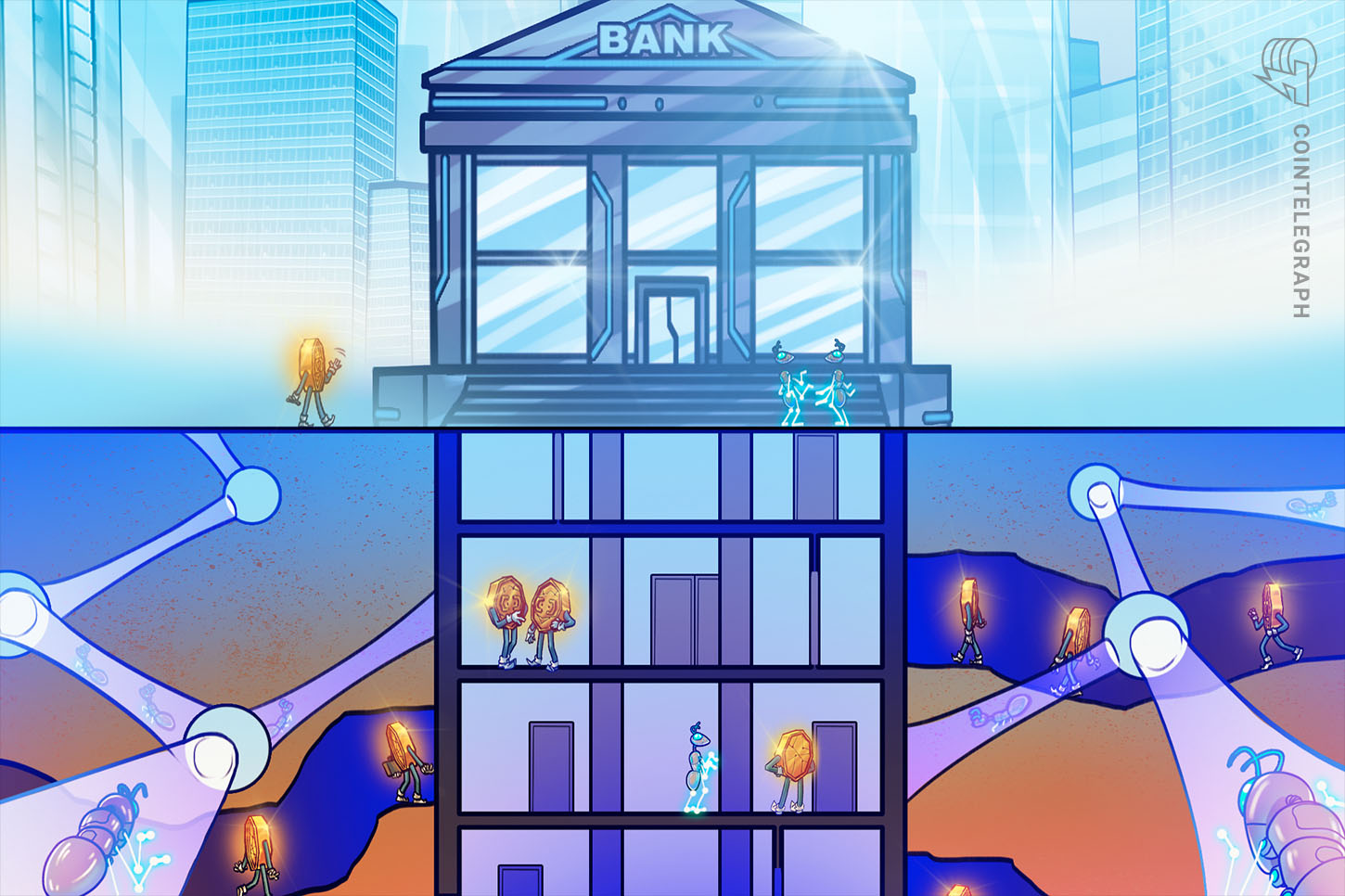
Are you wondering why some crypto platforms can move money instantly, even outside traditional banking hours? This article explains the mechanics behind 24/7 dollar settlement, how it differs from conventional banking, and what it means for anyone looking to earn or trade online.
What is 24/7 Dollar Settlement?
Settlement is the final step in a financial transaction when ownership of an asset officially changes hands and the corresponding funds are transferred. In the traditional banking system, settlement follows a set schedule—usually business days and specific cut‑off times. 24/7 settlement removes those constraints, allowing transfers to be completed at any hour, any day of the week.
To achieve this, providers use a combination of real‑time clearing networks, digital tokenization, and blockchain‑compatible infrastructure. A real‑time clearing network records the transaction instantly and guarantees that the funds are available, while tokenization creates a digital representation of fiat currency that can be moved on a distributed ledger without waiting for the legacy banking pipeline.
Key terms:
- Clearing network: A system that matches buy and sell orders and ensures that both parties have the necessary funds or assets before the trade is finalized.
- Tokenized deposit: A digital token that represents a claim on a fiat currency held in a bank, enabling faster movement on blockchain‑compatible platforms.
- Prime brokerage: A service that offers large institutional traders direct access to deep liquidity pools, often with advanced execution tools.
Real‑World Example
In October 2026, Payward, the parent company of the Kraken exchange, announced a partnership with Singapore Gulf Bank (SGB). The collaboration integrated SGB’s real‑time clearing network, called SGB Net, to provide select institutional clients in Asia and the Gulf region with instant US‑dollar settlement. The service allows these clients to settle trades at any time, bypassing the traditional banking cut‑off. Additionally, the bank will tap into Payward’s prime brokerage offering, Kraken Prime, to access digital‑asset liquidity and use Kraken’s markets for pricing trades.
This move mirrors similar initiatives worldwide, such as a consortium of major U.S. banks planning a tokenized deposit network for 24/7 settlement in early 2027, and a pilot by the Bank of Korea to enable off‑hours won settlement.
What It Means for You
For individual traders and small investors, 24/7 settlement can reduce the waiting time between placing an order and having the funds available for the next trade. Faster settlement means you can react to market moves more quickly, potentially improving the efficiency of your trading strategy.
For those earning passive income through activities like staking or liquidity provision, instant settlement can shorten the interval between earning rewards and withdrawing them, giving you tighter control over cash flow.
However, the speed of settlement does not eliminate other risks. Market volatility, counter‑party risk, and regulatory compliance remain important considerations.
How to Evaluate a 24/7 Settlement Service
- Regulatory oversight: Verify that the clearing network and any tokenized deposits are regulated by a reputable authority (e.g., Bahrain’s financial regulator for SGB Net).
- Liquidity depth: Ensure the platform or broker has sufficient liquidity to handle large or rapid transactions without slippage.
- Security measures: Look for multi‑factor authentication, cold‑storage of assets, and regular audits of the settlement infrastructure.
- Transparency of fees: Instant settlement can carry higher fees; compare cost structures across providers.
- Access to markets: Check whether the service supports the currencies and assets you need to trade.
FAQ
Why can’t traditional banks settle transactions 24/7?
Legacy banking systems rely on batch processing, interbank clearing houses, and settlement cycles that operate only during business hours. Updating these systems to run continuously requires significant infrastructure changes and regulatory approval.
Is tokenized fiat the same as a stablecoin?
Tokenized fiat is a digital representation of actual currency held in a bank, backed one‑to‑one by real deposits. Stablecoins are usually issued by private entities and may be backed by reserves, but they are not always directly linked to a regulated bank’s balance sheet.
Do I need a bank account to use a 24/7 settlement service?
Most services require you to have an account with a participating financial institution or a verified crypto brokerage that can bridge fiat and digital assets. The exact requirements vary by provider.
Will faster settlement increase my earnings?
Speed alone does not guarantee higher returns. It can improve trade execution and reduce the time your capital sits idle, but market risk, fees, and strategy effectiveness remain the primary drivers of earnings.
This article references reporting from cointelegraph.com.





