
Wondering why a Bitcoin exchange‑traded fund (ETF) might lose money and what that could mean for your own crypto earnings? This article explains how Bitcoin ETFs operate, why investors pull money out, and how you can assess the risks and opportunities.
The plain explanation
A Bitcoin ETF is a financial product that tracks the price of Bitcoin but trades on a traditional stock exchange like a regular stock. Instead of buying and storing the cryptocurrency yourself, you buy shares of the ETF, and the fund manager holds the underlying Bitcoin (or Bitcoin futures) on your behalf.
Key terms:
- ETF (Exchange‑Traded Fund): A basket of assets that can be bought or sold throughout the trading day at market prices.
- Net asset value (NAV): The total value of the fund’s holdings divided by the number of shares outstanding.
- Redemption: When an investor sells ETF shares back to the fund, causing the fund to sell some of its Bitcoin holdings.
- Creation unit: A large block of ETF shares that authorized participants (usually large institutions) can exchange for a proportional amount of the underlying asset.
When you buy a Bitcoin ETF, you are essentially buying a claim on a portion of the fund’s Bitcoin reserves. The price of the ETF share usually mirrors Bitcoin’s spot price, adjusted for fees and tracking error. The fund charges a management fee—often expressed as an annual percentage of assets under management (AUM)—to cover custody, insurance, and operational costs.
A real example
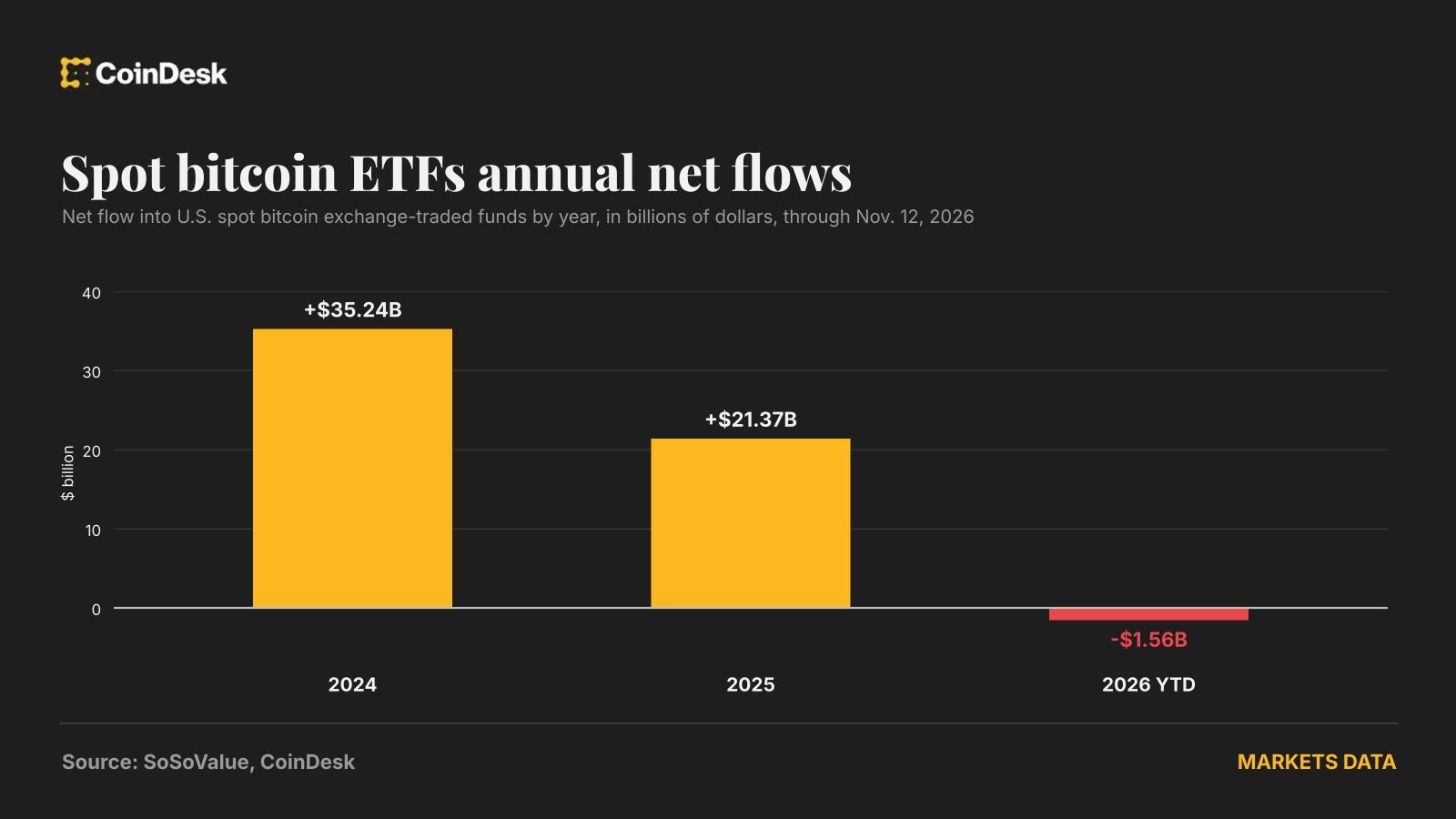
In 2026, data showed that Bitcoin ETFs experienced net outflows of more than $1.5 billion for the year. Rapid redemptions in the latter months forced several funds to sell Bitcoin, contributing to a price dip that pushed Bitcoin’s spot price below $70,000, its lowest level since August of that year. The outflows reflected investor sentiment shifting away from crypto exposure amid market volatility.
What it means for you
Outflows can affect an ETF in three ways that matter to a potential investor:
- Liquidity pressure: Large redemptions may force the fund to sell Bitcoin quickly, potentially at lower prices, which can widen the gap between the ETF’s market price and its NAV.
- Fee impact: If the fund’s assets shrink, fixed costs are spread over fewer dollars, which can raise the effective expense ratio for remaining shareholders.
- Market signal: Persistent outflows often signal broader market skepticism. While this doesn’t guarantee further price drops, it suggests that many investors are reducing exposure.
For someone looking to earn passive income through crypto, these dynamics mean that an ETF’s performance is tied not only to Bitcoin’s price but also to investor behavior and fund management efficiency.
What to check / how to judge
- Check the fund’s expense ratio. Lower fees mean less drag on returns, especially when the asset base shrinks.
- Look at the tracking error—the difference between the ETF’s price and Bitcoin’s spot price. Smaller errors indicate better replication.
- Review the redemption policy. Some ETFs allow daily redemptions, while others have longer lock‑up periods, affecting liquidity.
- Assess the custody solution. Funds that use reputable, insured custodians reduce the risk of loss or theft.
- Monitor the fund’s net inflows/outflows over recent quarters. Consistent outflows may hint at higher volatility or management challenges.
FAQ
Is a Bitcoin ETF safer than holding Bitcoin directly?
It can be safer in terms of storage and insurance, because a professional custodian holds the asset. However, you still face market risk, management fees, and the possibility of tracking error.
Can I earn interest or staking rewards from a Bitcoin ETF?
Most Bitcoin ETFs hold the spot asset and do not generate staking rewards. Some funds use Bitcoin futures or lend the underlying Bitcoin to earn additional yield, but those strategies usually come with higher fees and complexity.
What happens if the ETF’s price diverges significantly from Bitcoin’s price?
Arbitrage traders will typically buy the cheaper side and sell the expensive side, pushing the prices back together. Large, sudden outflows can temporarily widen the gap, but it usually corrects quickly if liquidity remains adequate.
Should I worry about the fund’s size shrinking?
A shrinking fund can lead to higher expense ratios and less efficient trading. It’s worth monitoring AUM trends and considering whether the fund’s scale still supports its operational model.
This article references reporting from coindesk.com.





