Do you wonder what happens to your Bitcoin when a hard fork occurs and how you can make use of any new coins you receive? This article explains the mechanics of Bitcoin forks, how new tokens are distributed, and the practical steps you can take to manage them safely.
What a hard fork is and how new tokens are created
A hard fork is a permanent split in a blockchain’s protocol that creates two separate networks. When the fork happens, the original chain continues unchanged while a new chain starts from the same block height, inheriting the entire transaction history up to that point. Because the ledger is identical at the moment of the split, every address that held the original cryptocurrency automatically holds an equivalent amount on the new chain. The new native token—often given a different ticker—can then be used on its own network.
Technical terms to know:
- Snapshot: the specific block at which the fork is recorded. Holders who control private keys at that block are eligible for the new token.
- Replay attack: a situation where a transaction intended for one chain is unintentionally processed on the other because the transaction format is identical.
- Sidechain: an independent blockchain that is linked to a main chain, allowing developers to experiment with new features without altering the main protocol.
Forks can be driven by technical upgrades, governance disagreements, or experimental ideas such as adding privacy or faster payments. The new chain’s developers usually aim to attract users and miners by offering lower fees, novel features, or additional incentives.
Real‑world example: the eCash (ECX) fork
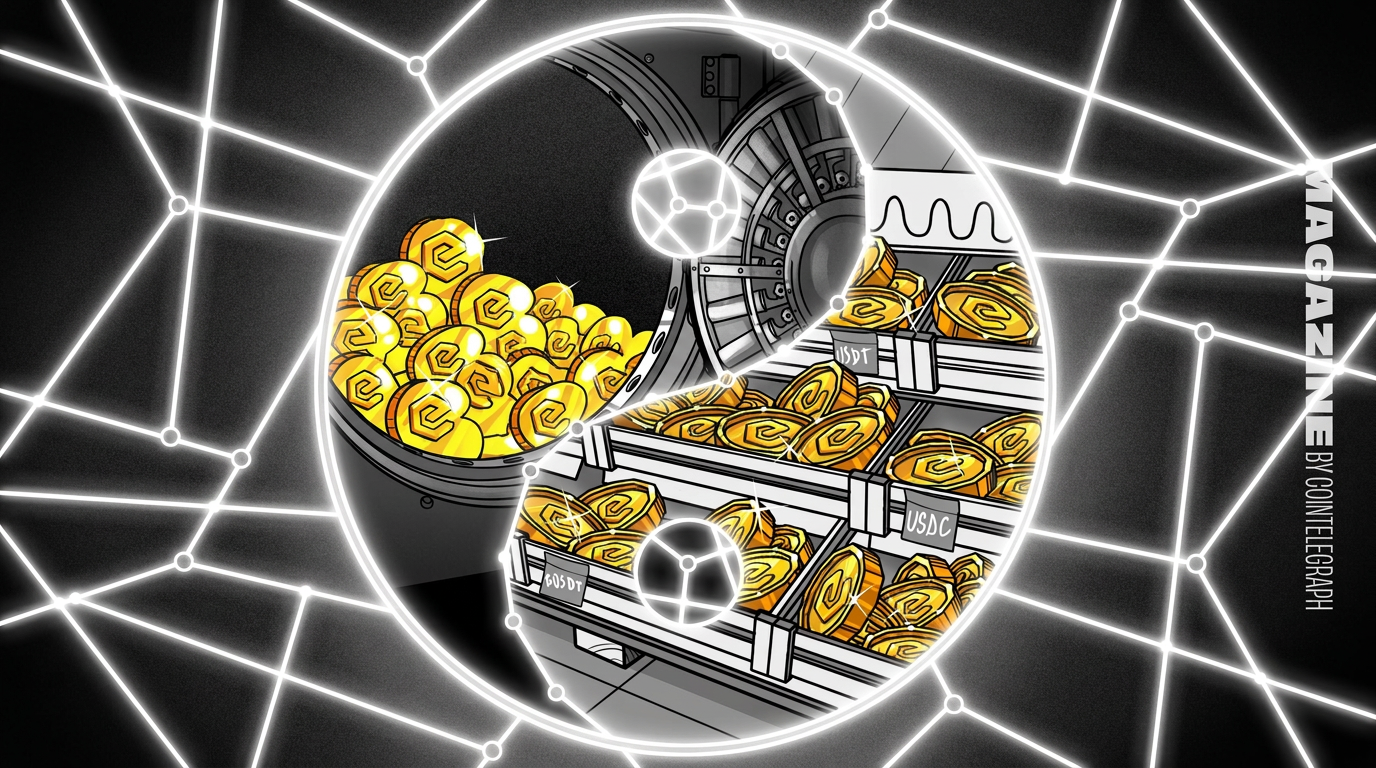
On October 29 2026, Paul Sztorc’s LayerTwo Labs launched eCash, a hard fork of Bitcoin that introduced the native token ECX. The fork occurred at Bitcoin block 973,728. Anyone who controlled the private keys to their Bitcoin at that exact block automatically received an equivalent ECX balance. The project also introduced five sidechains—BitNames, BitAssets, Thunder, Truthcoin, and zSide—plus plans for a quantum‑resistant sidechain and a decentralized exchange.
Because the two networks share transaction history, holders were warned about replay attacks. LayerTwo Labs advised moving ECX first before spending Bitcoin, and recommended using wallets that support both chains. Centralized exchanges that did not announce ECX support left users “at their mercy regarding distribution.” Some exchanges, such as NeoxEX, began offering ECX deposits, withdrawals, and trading pairs on the day of the fork, while others planned to add support later. Decentralized options also emerged, like Orca on Solana, which allows swapping USDC for wrapped ECX (wECX).
What this means for you
If you hold Bitcoin in a self‑custody wallet, a fork can give you a free allocation of a new token without any extra purchase. However, that token is only valuable if you can trade, spend, or earn from it. The immediate steps are:
- Verify whether your wallet supports the new chain.
- Securely separate the new tokens from your Bitcoin to avoid replay issues.
- Check if your exchange lists the new token for trading or withdrawal.
- Consider the liquidity and price volatility before deciding to sell, hold, or use the token.
Remember that tax authorities in many jurisdictions treat forked tokens as taxable income at the fair market value on the day you receive them. You should keep records of the snapshot date, the amount received, and the subsequent disposition of the tokens.
How to evaluate a forked token before acting
- Network activity: Look for active development, a growing number of nodes, and real‑world usage on the new chain.
- Liquidity: Check if reputable exchanges list the token and whether there are sufficient trading pairs and volume.
- Security model: Understand the fork’s consensus mechanism and any novel features such as sidechains or drivechains, and assess community confidence in their safety.
- Regulatory considerations: Verify the tax treatment of forked assets in your country and whether the token is subject to any restrictions.
- Use cases: Identify whether the project offers unique applications—payments, privacy, digital assets—that could drive demand for the token.
FAQ
Will I automatically receive the new token if I keep my Bitcoin on an exchange?
Only if the exchange publicly announces support for the fork and distributes the new tokens to its users. Otherwise, the tokens remain in the exchange’s control and you may not receive them.
Can I spend my new tokens on the original Bitcoin network?
No. The new token exists on a separate blockchain with its own set of rules. Attempting to send a transaction on the wrong network could trigger a replay attack, moving funds on both chains unintentionally.
Is it safe to trade a newly forked token on a decentralized exchange?
Decentralized exchanges can provide liquidity, but they also expose you to smart‑contract risk and price volatility. Verify the contract’s audit status and start with a small amount to test the process.
Do I need to report the forked tokens on my tax return?
In most jurisdictions, the receipt of a forked token is considered taxable income at its fair market value on the snapshot date. Subsequent sales are taxed as capital gains or losses. Consult a tax professional for guidance specific to your location.
This article references reporting from cointelegraph.com.