Ever wonder why Bitcoin’s price can swing from $70,000 to $82,000 in a matter of days? This article explains the key forces that drive Bitcoin’s market value, how those forces affect mining rewards, and what you should consider before counting on crypto earnings.
The basics: what determines Bitcoin’s price?
Bitcoin (BTC) is a decentralized digital currency. Its price is not set by any government or central bank; instead, it is determined by supply and demand on global exchanges. Supply is relatively fixed—there will only ever be 21 million bitcoins, with new coins created as a reward for miners who secure the network. Demand comes from investors, traders, merchants, and anyone who wants to hold or use BTC.
Several factors influence demand:
- Market sentiment – news, social media chatter, and the mood of large investors (often called “whales”) can push prices up or down.
- Macro‑economic conditions – interest‑rate outlooks, inflation expectations, and the health of traditional equity markets affect how much capital flows into crypto.
- Regulatory developments – announcements about bans, tax rules, or approval of Bitcoin‑related financial products can swing sentiment.
- Technical factors – price charts, support and resistance levels, and trading volume patterns are watched by traders who use them to place orders.
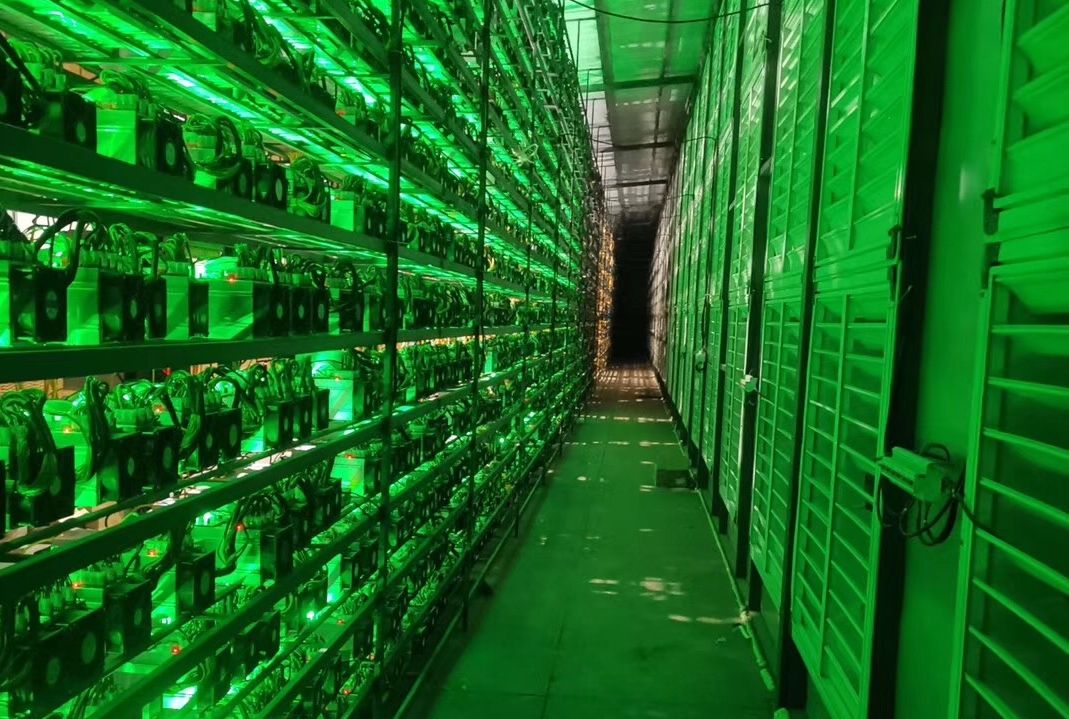
On the supply side, the most visible driver is mining profitability. Miners earn newly minted bitcoins (the “block reward”) and transaction fees for each block they add to the blockchain. If the price is high enough to cover electricity, hardware, and other costs, miners keep operating and may even expand capacity. When the price falls below a profitable threshold, some miners shut down, reducing hash‑rate (the total computing power protecting the network). Lower hash‑rate can lead to slower block times until the protocol’s difficulty adjustment restores balance, which can in turn affect market confidence.
Real‑world illustration
In late October 2026, Bitcoin approached $82,000. On October 28, data from TradingView showed BTC/USD reaching $81,687 on the Bitstamp exchange. Analysts noted that “bid liquidity thickened around $79,000 and $80,000,” indicating strong buying interest at those levels. At the same time, South Korea’s KOSPI index rose over 6 %, and U.S. tech stocks rallied, suggesting broader risk‑on sentiment. Morgan Stanley’s chief U.S. equity strategist, Mike Wilson, told CNBC that “most of the correction is already over,” reflecting optimism that the recent dip had been largely priced in.
This snapshot demonstrates how Bitcoin’s price can be nudged upward by a combination of market sentiment (tech‑stock rally), macro factors (easing concerns about AI spending and debt financing), and technical price levels that attract buyers.
What this means for you as an online earner
If you earn crypto through mining, staking, or cloud‑reward platforms, price movements directly affect your bottom line. Higher prices increase the fiat value of any BTC you receive, making mining more attractive and potentially encouraging you to expand your operation. Conversely, a sharp decline can turn a previously profitable setup into a loss‑making one, especially if your electricity costs are high.
For traders who seek “passive income” by buying and holding Bitcoin, price volatility is a double‑edged sword. Upside moves boost portfolio value, but downside moves can erode gains quickly. Understanding the drivers behind price swings helps you decide whether to hold, sell, or diversify into other assets such as green‑focused mining pools or low‑volatility stablecoins.
How to evaluate Bitcoin‑related earning opportunities
- Check the current price relative to the miner’s break‑even point. Most reputable mining calculators list the BTC price needed to cover electricity and hardware costs for a given rig.
- Assess the macro environment. Look at interest‑rate trends, equity market performance, and major regulatory headlines. A bullish equity market often coincides with higher crypto demand.
- Review liquidity and order‑book depth. Thick bid walls around key price levels (e.g., $79k–$80k) suggest that large buyers are ready to step in, which can cushion a price dip.
- Consider the platform’s transparency. If you use a cloud‑reward service, verify its hash‑rate reporting, fee structure, and any environmental claims. Platforms that publish real‑time performance data are generally more trustworthy.
- Diversify risk. Relying solely on Bitcoin price appreciation is risky. Pair mining or staking with other passive‑income streams such as green‑energy credits or low‑volatility crypto assets.
FAQ
Why does Bitcoin sometimes rally even when the broader economy looks shaky?
Crypto can act as a “digital gold” for some investors, offering a hedge against fiat‑currency inflation. When confidence in traditional markets wanes, capital may flow into Bitcoin, driving up demand and price.
Can I profit from mining if Bitcoin’s price stays flat?
Profitability depends on your electricity cost and hardware efficiency. If the price covers your operating expenses, you can earn a modest return even without price appreciation. However, flat prices leave little room for error, so low‑cost electricity is essential.
How important are support and resistance levels?
Support levels are price points where buying pressure historically increases, preventing further decline. Resistance levels are where selling pressure tends to rise, limiting upside. Traders use these zones to place orders; thick liquidity at these levels can stabilize price movements.
Is it safer to earn Bitcoin through staking rather than mining?
Staking usually involves locking up a cryptocurrency to help secure a proof‑of‑stake network, earning rewards in return. It typically requires less hardware and electricity, reducing operational risk. However, staking rewards depend on network inflation rates and can be affected by protocol changes, so evaluate both options based on your risk tolerance.
This article references reporting from cointelegraph.com.