
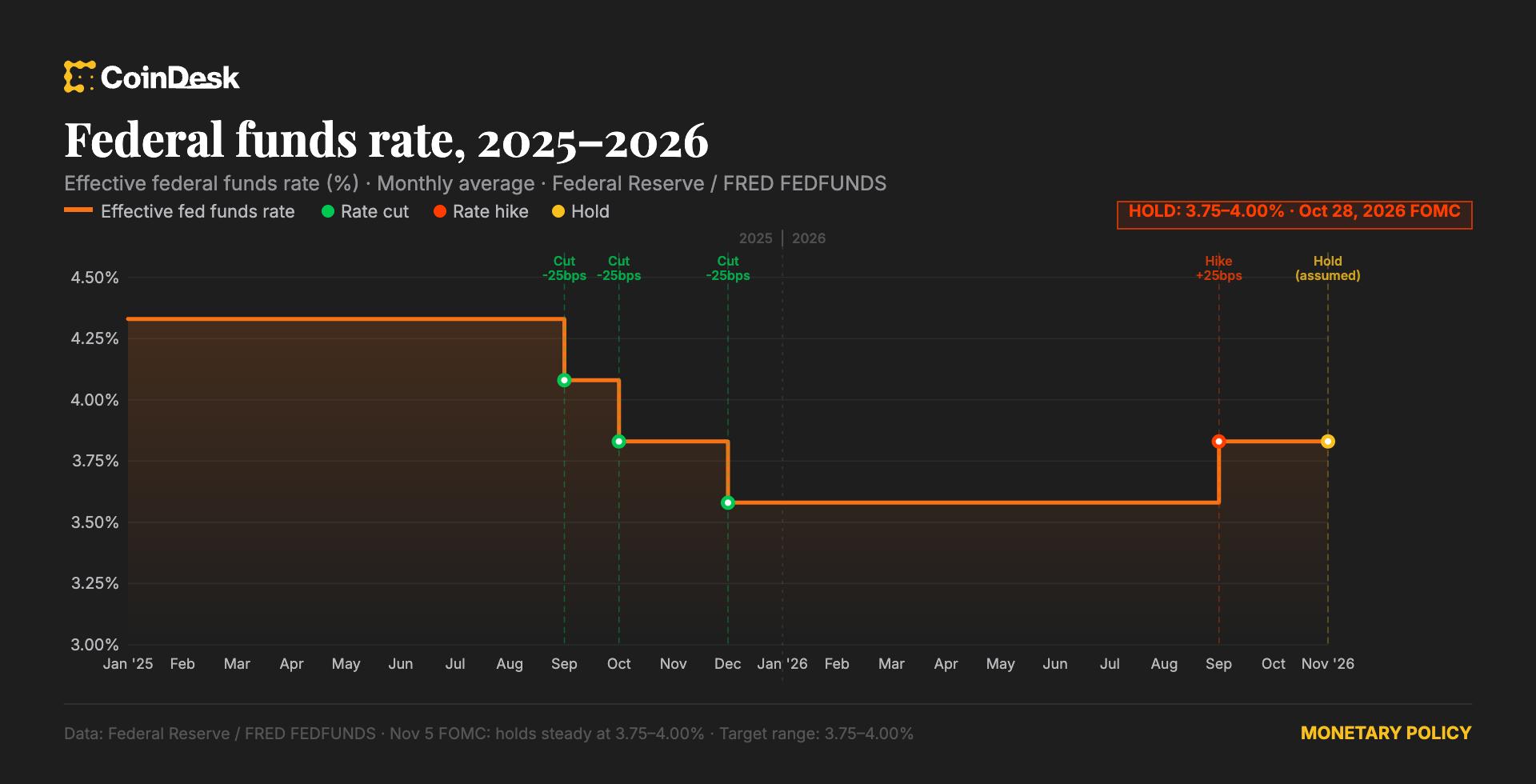
Are you wondering why a change in the Federal Reserve’s interest rate matters to your crypto mining or staking profits? This article explains the relationship between monetary policy, inflation, and the bottom line of online crypto earnings.
What interest rates are and how they work
An interest rate set by a central bank—such as the Federal Reserve in the United States—is the cost of borrowing money for banks. When the Fed raises its benchmark rate, commercial banks charge higher rates on loans and pay more on deposits. Conversely, a lower rate makes borrowing cheaper and reduces the return on savings.
Central banks adjust rates to control inflation, which is the general rise in prices across the economy. Their target is usually around 2 % per year. If inflation runs above that target, the bank may raise rates to cool spending; if inflation falls below, it may cut rates to stimulate borrowing and investment.
Why rates matter for crypto miners and stakers
Crypto mining and staking both involve an upfront investment—hardware, electricity, or token capital—that generates ongoing rewards. The profitability of those rewards is essentially a cash flow problem: you compare the income you receive (new coins, transaction fees, staking yields) against the costs you incur (electricity bills, loan repayments, opportunity cost of capital).
When interest rates rise, two things happen that can squeeze crypto earnings:
- Higher borrowing costs. Many small miners finance equipment with loans. A higher rate means larger monthly payments, which cut into the margin between reward income and expenses.
- Increased opportunity cost. Money tied up in mining rigs or staked tokens could instead be placed in a savings account or a bond that now offers a better return. If the alternative return rises faster than crypto rewards, the relative attractiveness of mining or staking declines.
Conversely, when rates are low, borrowing is cheap and the “cost of capital” is low, making it easier for new participants to enter mining or staking and for existing operators to expand.
Real‑world illustration
In March 2026, the Federal Reserve left its policy rate unchanged, as many analysts had expected. The decision kept borrowing costs steady, but the Fed signaled that a rate hike in December remained likely because inflation was still well above the 2 % target. For crypto miners, this meant that while short‑term financing costs would not jump immediately, the prospect of a future hike kept the risk of higher expenses on the horizon.
What this means for you
If you are considering or already operating a mining rig, watch the central bank’s rate outlook as part of your cost analysis. A stable rate environment lets you plan equipment upgrades and loan repayments with confidence. However, the anticipation of a future hike should encourage you to build a buffer—either by reducing debt, improving energy efficiency, or diversifying into lower‑cost staking options.
Stakers face a similar decision. When rates rise, the yield on traditional savings accounts can become competitive with staking rewards, especially after accounting for token price volatility and tax considerations. You may want to compare the net after‑tax return of staking versus a high‑yield savings product before committing large amounts of capital.
How to evaluate the impact of rates on your crypto earnings
- Calculate your cost of capital. Include loan interest, the implied return you could earn elsewhere, and the depreciation of hardware.
- Track the central bank’s policy statements. Look for clues about future rate moves—inflation reports, employment data, and the Fed’s own projections.
- Model different scenarios. Run profit calculations assuming a 0.5 % or 1 % rate increase to see how sensitive your margins are.
- Consider energy prices. Higher rates can also affect electricity markets, especially if utilities raise prices to cover higher financing costs.
- Stay diversified. Splitting capital between mining, staking, and low‑risk savings can smooth out the effect of rate swings.
FAQ
Will a Fed rate hike always hurt mining profitability? Not necessarily. If a higher rate coincides with a rise in cryptocurrency prices or a drop in electricity costs, the net effect could still be positive. The key is to compare the change in financing costs against any offsetting revenue gains.
How often do central banks change rates? Major central banks typically meet eight times a year, but they can act outside that schedule if inflation or economic shocks demand an urgent response.
Is it better to use personal savings for mining instead of a loan? Using savings avoids interest payments, but you also forgo the return you could earn on that cash elsewhere. Weigh the guaranteed cost of a loan against the expected return from mining after accounting for risk.
Can staking be a safe hedge against rising rates? Staking can provide a predictable yield, but the value of the staked token can still fluctuate. If the token’s price falls sharply, the dollar‑denominated return may be lower than a traditional savings rate.
This article references reporting from coindesk.com.





