
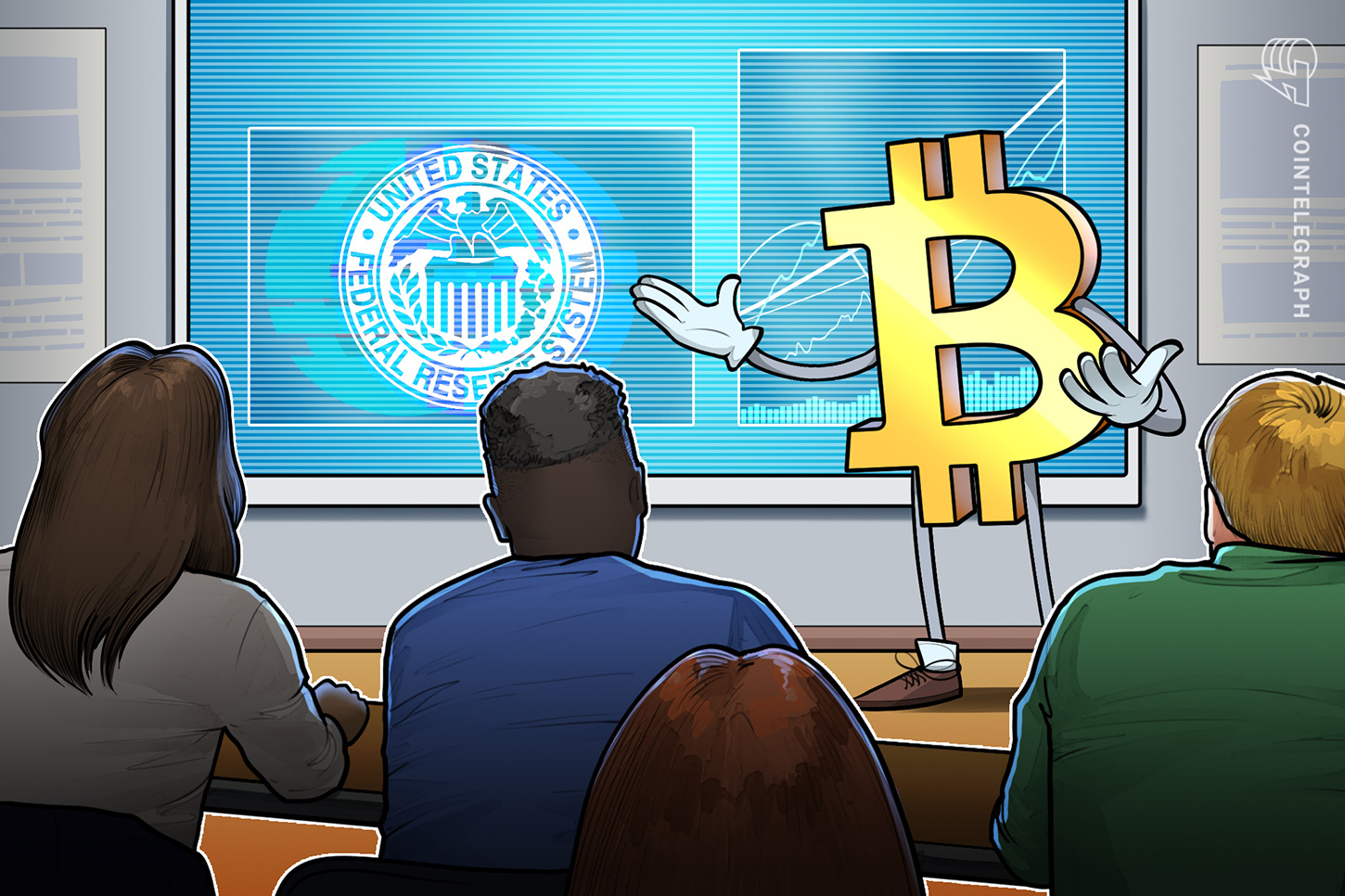
Are you wondering why the price of Bitcoin and other cryptocurrencies often moves in step with news about the Federal Reserve or other central banks? This article explains how interest‑rate policy works, why it matters to crypto markets, and what you can do to keep your online earnings strategy on solid ground.
What interest rates are and how they affect the broader economy
An interest rate is the cost of borrowing money, set by a country’s central bank—in the United States, that’s the Federal Reserve (the “Fed”). When the Fed raises its benchmark rate, banks charge higher rates on loans, which slows consumer spending and business investment. Lower rates have the opposite effect, encouraging borrowing and boosting economic activity. Central banks adjust rates to keep inflation (the general rise in prices) near a target—usually around 2%—while also supporting employment.
These policy moves ripple through the financial system. Higher rates make safe assets like U.S. Treasury bonds more attractive because they now offer better returns. Conversely, lower rates push investors toward riskier assets, such as stocks or cryptocurrencies, in search of higher yields.
Why crypto prices react to rate changes
Cryptocurrencies are not tied to any government or central bank, but they are still part of the broader investment landscape. When rates rise, two forces tend to weigh on crypto prices:
- Opportunity cost: Safer assets pay more, so investors may shift money out of speculative crypto holdings.
- Dollar strength: Higher rates often strengthen the U.S. dollar. Because many crypto pairs are quoted in dollars, a stronger dollar can make the same amount of crypto worth less in dollar terms.
When rates fall, the opposite dynamics can boost crypto demand: lower‑yielding bonds make crypto appear relatively more rewarding, and a weaker dollar can lift dollar‑denominated prices.
Real‑world illustration: Fed minutes from November 2026
In November 2026, the Federal Reserve released minutes from its October meeting. Although the committee voted 10‑2 to keep the benchmark rate at 3.75%–4.00%, several officials described the decision as a “close call” and signaled that another hike in December was likely. Markets priced a roughly 90% chance of a quarter‑point increase in December.
That same day, Bitcoin was trading around $62,300, below its 200‑week moving average near $68,000. Analysts noted that a further rise in Treasury yields and a stronger dollar could add pressure to Bitcoin, potentially extending a sell‑off if the price fell below the weekend low of $62,000.
This example shows how a central‑bank policy hint—without any immediate rate change—can shift market expectations, affect bond yields, and move crypto prices in a matter of hours.
What this means for your online earning strategy
If you earn crypto through mining, staking, or cloud‑reward platforms, rate‑driven price swings can impact the fiat value of your payouts. A sudden rate hike could depress crypto prices, reducing the dollar amount you receive even if the number of coins stays the same. Conversely, a rate cut might lift prices, increasing the fiat value of your earnings.
Because interest‑rate policy is announced on a regular schedule (usually eight times a year in the U.S.), you can anticipate periods of higher volatility. Planning ahead—such as converting a portion of earnings to stablecoins or fiat before a known rate decision—helps protect the purchasing power of your income.
How to evaluate the impact of rate moves on crypto
- Watch central‑bank calendars: Note upcoming meetings of the Fed, European Central Bank, Bank of England, etc. Their scheduled dates are public and predictable.
- Track bond yields: Treasury yields rise when rates go up. A quick glance at the 10‑year Treasury rate gives a sense of market expectations.
- Monitor the dollar index (DXY): A stronger dollar often coincides with lower crypto prices in dollar terms.
- Check crypto‑specific sentiment: Look for commentary from analysts who tie Bitcoin’s price to macro factors, such as “Fed‑related risk” or “inflation expectations.”
- Consider hedging: Stablecoins (e.g., USDC) or short‑term fiat holdings can act as a buffer during periods of expected price decline.
FAQ
Why doesn’t a higher interest rate always cause crypto prices to fall?
Crypto markets are influenced by many factors, including regulatory news, technological upgrades, and institutional adoption. A rate hike may be outweighed by a major positive development, so price reactions can vary.
Do all cryptocurrencies react the same way to rate changes?
Not necessarily. Bitcoin, as the largest and most liquid crypto, often mirrors macro trends closely. Smaller altcoins may be more driven by project‑specific news, though they can still feel the broader risk‑off sentiment that higher rates create.
Can I use interest‑rate expectations to time my staking rewards?
Staking rewards are usually paid in the native token, so the number of tokens you earn is fixed by the protocol. However, the fiat value of those rewards can fluctuate with market sentiment. Aligning reward payouts with periods of expected price strength can improve the dollar value you receive.
Is it better to keep my crypto earnings in stablecoins during rate‑hike periods?
Stablecoins maintain a 1:1 peg to a fiat currency, typically the U.S. dollar. If you expect a rate hike to push the dollar higher, holding stablecoins can preserve purchasing power, but you may miss out on any upside if crypto prices rise despite the rate move.
This article references reporting from cointelegraph.com.




