
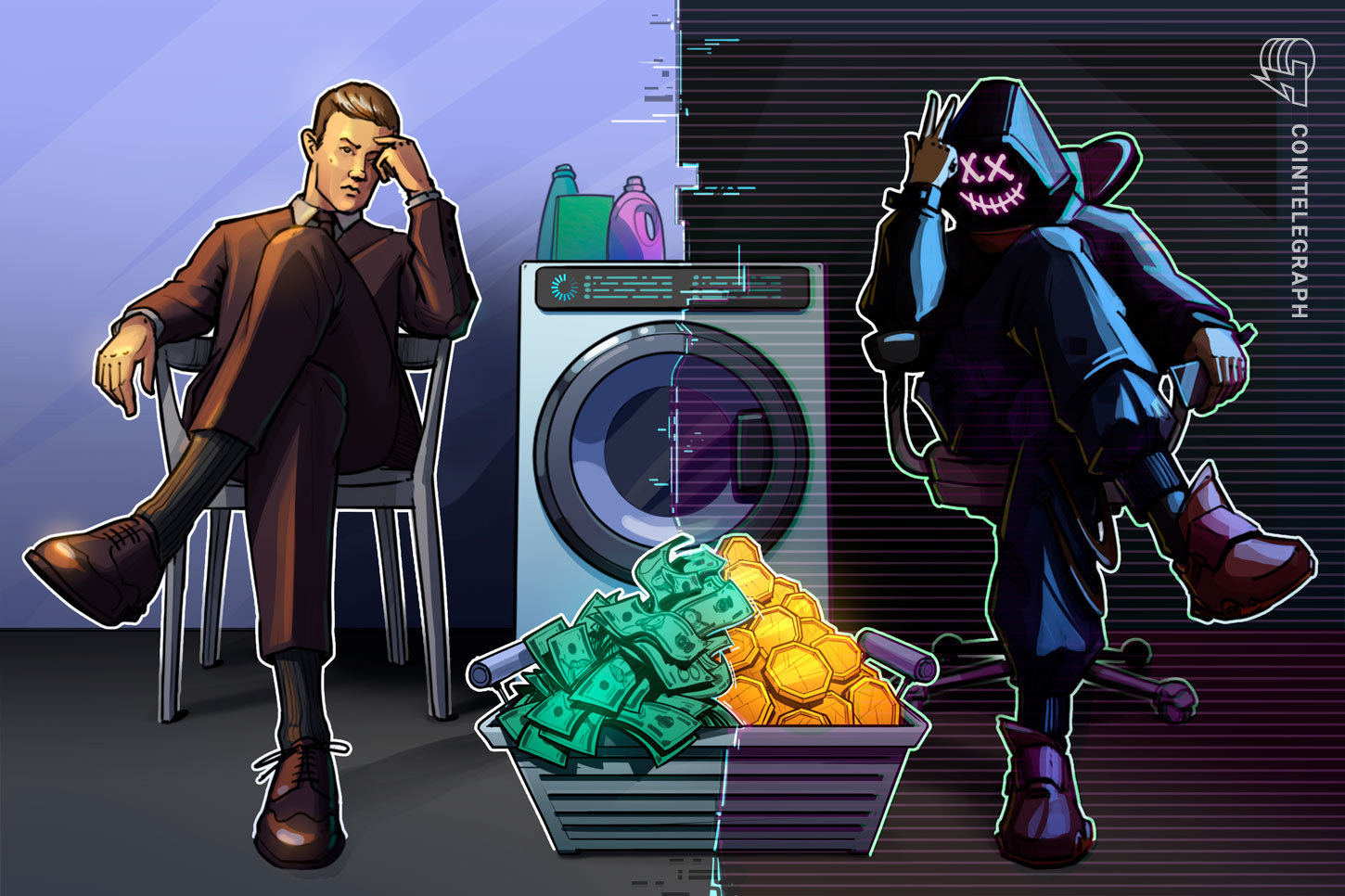
Ever wonder why stolen cryptocurrency often disappears so quickly, only to resurface on a different blockchain? This article explains how cross‑chain swap protocols work, why they attract illicit actors, and what you can do to protect yourself when using these services.
What a Cross‑Chain Swap Is and How It Works
A cross‑chain swap is a decentralized service that lets users exchange tokens from one blockchain for tokens on another without needing a centralized exchange. The most common design uses liquidity pools—collections of assets supplied by users—that the protocol draws from to fulfill swaps. When you initiate a swap, the protocol locks the source asset in a smart contract, then releases the destination asset from the pool to your address.
Key terms:
- Liquidity pool: A smart‑contract‑based reserve of two (or more) assets that traders can draw from. Liquidity providers earn a small fee for supplying assets.
- Atomic swap: A transaction that either completes fully on both chains or reverts, ensuring you don’t lose funds if something goes wrong.
- Bridge: A piece of software that moves tokens between blockchains, often by locking the original token and minting a wrapped version on the target chain.
Because the swap happens on‑chain and does not require identity verification, anyone can move large sums quickly. The protocol records only the wallet addresses involved, not the real‑world identity of the user.
Why Illicit Actors Favor Cross‑Chain Swaps
When crypto is stolen, the thief’s first goal is to make the funds harder to trace. Traditional centralized exchanges usually require KYC (Know‑Your‑Customer) checks, which can link an address to a real person. Cross‑chain swaps, by contrast, let a hacker move assets from a “hot” wallet to a fresh address on a different blockchain, then swap again, creating a tangled trail of transactions.
Each additional hop—especially across chains with different privacy features—adds a layer of obfuscation. Some protocols also claim to screen deposits for illicit funds, but historical incidents show that gaps in these checks can be exploited.
Real‑World Illustration
In November 2026, analysts observed that wallets linked to the Binance hack moved nearly $600 million worth of Ether (ETH) through fresh addresses over two days. After the initial transfers, the attackers routed part of the funds through the cross‑chain protocols THORChain and Chainflip. Roughly $5 million went through Chainflip, while THORChain handled the bulk of the cross‑chain activity. This pattern mirrors earlier laundering attempts by the same North‑Korea‑linked group, which previously used THORChain after the $1.4 billion Bybit hack in February 2025 and the $388 million Bitget hack in September 2026.
What It Means for You
If you are considering a cross‑chain swap to diversify holdings, earn passive income, or access a new ecosystem, be aware that the same technology can be misused for money‑laundering. While legitimate users benefit from fast, permissionless swaps, the anonymity can attract regulatory scrutiny. Platforms may face investigations, and users could inadvertently become entangled in illicit activity if they receive tainted tokens.
How to Evaluate a Cross‑Chain Swap Service
- Check compliance statements: Look for clear policies on illicit‑fund screening and any third‑party audits of those processes.
- Review liquidity sources: Services that rely on reputable, diversified liquidity providers are less likely to be compromised.
- Monitor on‑chain analytics: Tools like blockchain explorers and analytics dashboards can reveal sudden spikes in swap volume that may indicate abuse.
- Consider KYC options: Some protocols offer optional identity verification for higher limits; using these can reduce the risk of being associated with illicit flows.
- Stay updated on regulatory news: Authorities worldwide are tightening rules around cross‑chain bridges and swaps; compliance status can change quickly.
FAQ
Can I use a cross‑chain swap without exposing my identity?
Yes, most decentralized swap protocols do not require KYC, allowing you to trade anonymously. However, anonymity also means you bear full responsibility for ensuring the assets you receive are not linked to illicit activity.
Are there any “safe” cross‑chain swaps?
No service can guarantee absolute safety from misuse. Look for platforms that perform regular audits, have transparent governance, and cooperate with regulators when required.
What should I do if I receive tokens that might be stolen?
Stop using the address immediately and consider reporting the transaction to a reputable blockchain analytics firm or law‑enforcement agency. Continuing to trade with potentially tainted assets can expose you to legal and financial risk.
Do cross‑chain swaps affect the tax treatment of my crypto?
In most jurisdictions, a swap is treated as a taxable event, similar to a sale. You must report the fair market value of the asset you gave up and the asset you received at the time of the transaction.
This article references reporting from cointelegraph.com.




