
Wondering how the rise of tokenized assets could affect your ability to earn money online? This article breaks down what tokenization means, why regulations matter, and what you should watch for before diving into digital securities.
What tokenized assets are and how they work
Tokenized assets are real‑world financial instruments—such as bonds, stocks, real estate or commodities—represented by digital tokens on a blockchain. Each token acts as a digital certificate of ownership, recorded on a distributed ledger that anyone can verify. Because the ledger is immutable, the token’s history cannot be altered, which can increase transparency and reduce settlement times compared to traditional paper‑based processes.
The token itself is usually built on a smart‑contract platform (for example, Ethereum or a permissioned chain). A smart contract is a self‑executing piece of code that enforces the rules of the asset, such as dividend payouts or interest payments, without needing a middleman. When you buy a tokenized bond, the smart contract automatically credits you with the interest (often called a coupon) on the schedule defined in the contract.
Key terms:
- Tokenization: Converting a physical or traditional financial asset into a digital token.
- Smart contract: Code on a blockchain that automatically enforces the terms of an agreement.
- Settlement: The final step in a transaction when ownership is transferred and payment is completed.
- Digital securities: Tokens that are regulated as securities under existing financial law.
Why regulation matters
Even though blockchain promises frictionless transfers, tokenized assets still fall under existing securities laws in most jurisdictions. Regulators focus on three main concerns:
- Investor protection: Ensuring that buyers receive accurate disclosures and that the token’s underlying asset truly exists.
- Market integrity: Preventing fraud, market manipulation, and ensuring that trading platforms follow anti‑money‑laundering (AML) and know‑your‑customer (KYC) rules.
- Systemic risk: Monitoring the overall exposure of the financial system to new digital products, especially when large institutions start using them.
When regulators create clear, harmonized rules, they give participants confidence that their holdings are legally sound and that disputes can be resolved in court. Conversely, a patchwork of national rules can create uncertainty, increase compliance costs, and even lead to outright bans in some regions.
Real‑world illustration
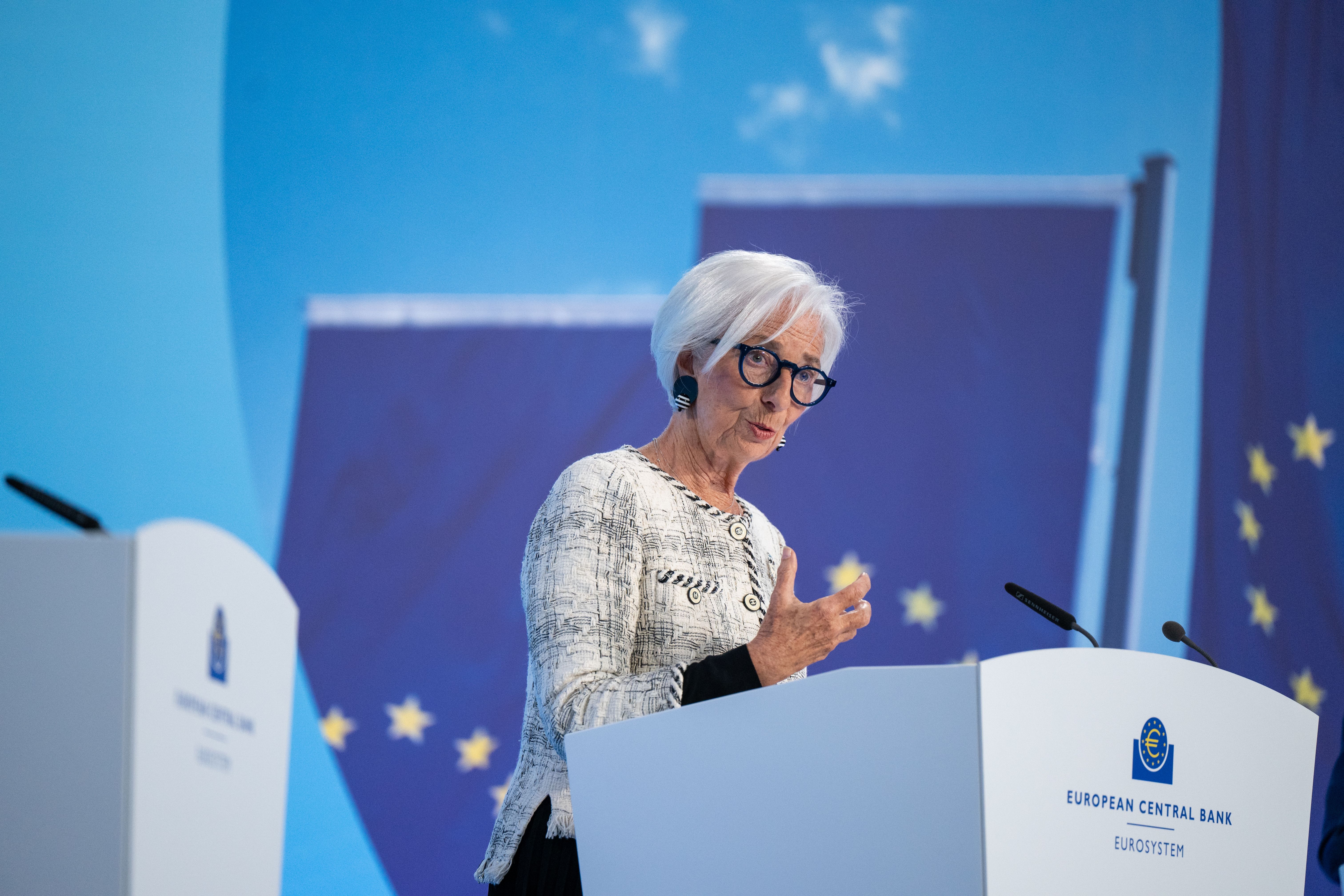
In March 2026, the European Central Bank (ECB) president, Pierre Lellouche, warned that Europe could lose control of the rapidly expanding tokenized asset market if common rules are not adopted. He highlighted a recent milestone: the EU’s new blockchain settlement system processed a €1 billion digital bond transaction, marking the first large‑scale use of a tokenized security on a pan‑European platform. The ECB’s call for unified regulation underscores how quickly tokenized finance is moving from pilot projects to mainstream finance.
What this means for you
If you are considering earning passive income by buying tokenized bonds, dividend‑paying stocks, or real‑estate tokens, the regulatory environment will directly affect the safety and accessibility of those products. Unified EU rules could mean:
- Standardized disclosures, making it easier to compare offers across platforms.
- Greater legal recourse if a token issuer defaults.
- Potentially lower fees, as compliance costs are shared across the market.
On the other hand, if regulations remain fragmented, you might encounter:
- Platforms that are only available to residents of certain countries.
- Higher transaction costs to meet differing AML/KYC requirements.
- Uncertainty about the enforceability of your token ownership.
How to evaluate a tokenized asset offering
Before you allocate funds, run through this short checklist:
- Legal status: Verify that the token is registered or exempt under the relevant securities regulator (e.g., the European Securities and Markets Authority for EU offerings).
- Issuer credibility: Look for audited financial statements, a clear business model, and a track record of delivering on promised payouts.
- Smart‑contract audit: Ensure the code governing the token has been reviewed by an independent security firm.
- Platform compliance: Confirm the exchange or marketplace follows AML/KYC rules and is licensed to operate in your jurisdiction.
- Liquidity: Check whether there is a secondary market for the token and what the typical bid‑ask spread looks like.
FAQ
What’s the difference between a tokenized bond and a traditional bond?
A tokenized bond represents the same debt obligation as a traditional bond, but ownership is recorded on a blockchain. This can speed up settlement, reduce paperwork, and provide transparent ownership records, while the underlying interest and principal payments remain the same.
Do I need a crypto wallet to hold tokenized assets?
Yes. Most tokenized securities are stored in a digital wallet that supports the blockchain they are built on. Some platforms offer custodial wallets, where the provider holds the private keys on your behalf, but this adds a layer of counterparty risk.
Are tokenized assets covered by deposit insurance?
Generally, no. Deposit insurance schemes (like the FDIC in the United States) protect cash deposits at banks, not digital tokens. Your protection depends on the issuer’s solvency and the regulatory framework governing the token.
Can I earn passive income from tokenized assets?
Yes, if the underlying asset generates cash flows—such as interest from a bond or rent from a real‑estate token—those payments can be distributed automatically by the smart contract. However, returns are subject to market risk, issuer default risk, and regulatory changes.
This article references reporting from coindesk.com.




