Are you worried that a hack could wipe out the crypto you’ve earned online? This article explains how exchange security breaches occur, what the typical warning signs are, and how you can reduce the risk to your own assets.
The plain explanation
A crypto exchange is a platform that lets users deposit, trade, and withdraw digital assets. To make these services work, exchanges keep a large amount of cryptocurrency in hot wallets—online accounts that can be accessed quickly for transactions. Hot wallets are convenient but also exposed to the internet, making them attractive targets for hackers.
Most attacks exploit one of three weaknesses:
- Compromised private keys or credentials. If an attacker obtains the secret keys that control a hot wallet, they can move funds at will. This can happen through phishing, malware, or insider theft.
- Vulnerabilities in smart contracts or platform code. Bugs in the software that manages deposits and withdrawals can be manipulated to redirect assets.
- Insufficient monitoring and response. Even if a breach is detected, delays in freezing withdrawals allow the attacker to move the stolen coins to multiple addresses, often across several blockchain networks.
Once the attacker controls the funds, they typically use on‑chain tracing to follow the flow of assets through different blockchains, often hopping between networks like Ethereum, TRON, or Zcash to obscure the trail. Because blockchain transactions are irreversible, the only way to recover stolen coins is to locate the addresses and convince the owners (or law enforcement) to return them, which is rare.
A real example
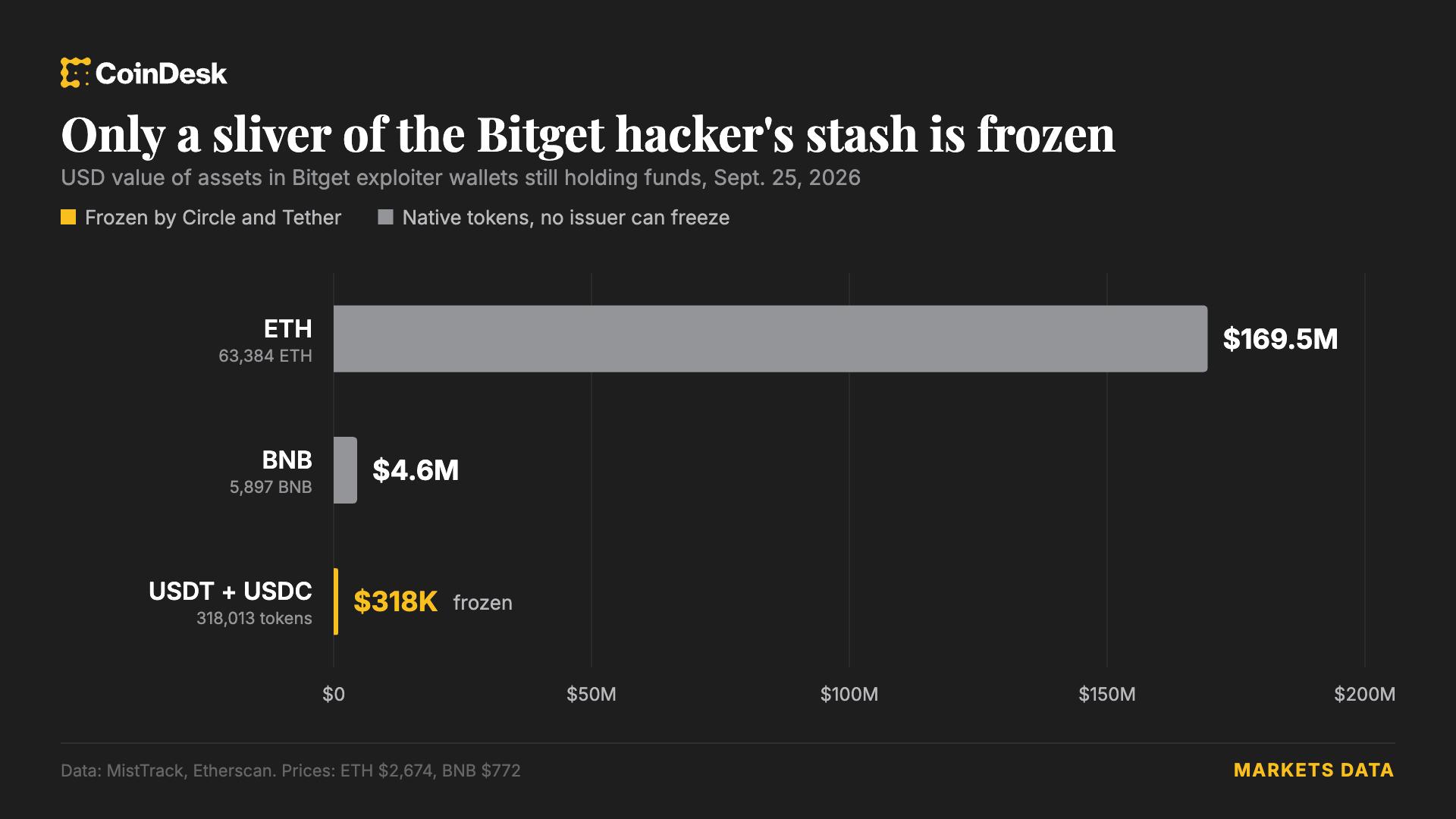
In September 2026, the crypto exchange Bitget released an updated incident report on a security breach that had initially been reported as affecting $352 million in assets. The revised analysis showed that approximately $388 million—about $35 million more—had been transferred to attacker‑controlled addresses. The breach spanned several blockchain networks, including Ethereum Virtual Machine (EVM) chains, the XRP Ledger, Zcash, and TRON. Stolen assets included major tokens such as ETH, USDT, USDC, XRP, BNB, and AVAX.
Bitget responded by pausing withdrawals and launching a bounty program to incentivize the community to help freeze or recover the funds. The exchange emphasized that the incident was contained and that no further unauthorized transfers were possible after the initial breach.
What it means for you
If you keep your crypto on an exchange, you are effectively trusting the platform’s security measures and its ability to respond quickly to an attack. A breach can result in the loss of a large portion of your holdings, even if you have never personally done anything risky. This risk is especially relevant for users who store assets for earning purposes—such as staking rewards or cloud mining payouts—because those balances tend to be larger and remain on the platform for longer periods.
Understanding the mechanics of a hack helps you make informed choices about where to keep your funds. While no solution is 100 % safe, diversifying storage methods and staying vigilant can dramatically lower your exposure.
What to check / how to judge
- Cold storage policy. Does the exchange keep the majority of user funds in offline wallets that are not directly accessible via the internet? A higher cold‑storage ratio generally means less exposure.
- Withdrawal limits and pause mechanisms. Look for platforms that can instantly halt withdrawals if suspicious activity is detected. This can prevent an attacker from moving large sums quickly.
- Security audits. Reputable exchanges often publish third‑party audit reports of their smart contracts and infrastructure. Verify that these audits are recent and conducted by recognized firms.
- Bug bounty programs. A healthy bounty program indicates that the exchange actively encourages external security researchers to find and report vulnerabilities before attackers can exploit them.
- Transparency of incident response. In the event of a breach, the exchange should provide clear, timely updates and a detailed post‑mortem. This shows a commitment to accountability.
FAQ
Can I fully protect my assets by keeping them on an exchange?
No. While reputable exchanges implement strong security measures, the very nature of hot wallets means there is always some risk. For long‑term holdings, consider moving assets to a personal hardware wallet.
What is a “bounty program” and does it help me?
A bounty program rewards security researchers who discover and report vulnerabilities. It can improve the overall safety of the platform, but it does not guarantee that every flaw will be found before an attack.
If an exchange is hacked, can I get my money back?
Recovery is rare. Some exchanges may compensate users from insurance funds or reserves, but this is not guaranteed. The best defense is to minimize the amount you keep on any single platform.
How can I tell if an exchange’s hot‑wallet exposure is high?
Exchanges sometimes disclose the percentage of funds held in hot versus cold storage in transparency reports. A higher cold‑storage percentage typically indicates lower immediate exposure to hacks.
This article references reporting from cointelegraph.com.