Ever wondered what happens when a crypto exchange is hacked and the stolen funds seem to vanish? This article explains the mechanisms behind freezing hacker wallets, why it’s possible for some assets but not others, and what you should know if you’re trying to earn or protect your crypto online.
What “freezing” a crypto wallet really means
In the world of blockchain, a wallet is simply a set of cryptographic keys that control the movement of digital assets. When a hacker obtains those keys, they can send the assets to any address they choose. Unlike a traditional bank account, there is no central authority that can automatically block a transaction once it’s been signed.
Freezing, therefore, does not involve stopping a transaction that is already on the chain. Instead, it relies on off‑chain controls and the cooperation of parties that hold the assets. For example, stablecoin issuers such as Circle (USDC) and Tether (USDT) maintain a ledger of who owns each token and can refuse to honor transfers from a flagged address. This is possible because stablecoins are issued on top of existing blockchains (like Ethereum) but are ultimately backed by a centralized entity that can enforce compliance.
When a wallet is “frozen,” the issuer updates its internal database to mark the address as suspicious and rejects any outgoing transfer requests. The blockchain itself still records the address, but the token contract will reject attempts to move the funds, effectively rendering them unusable on that network.
Real‑world illustration
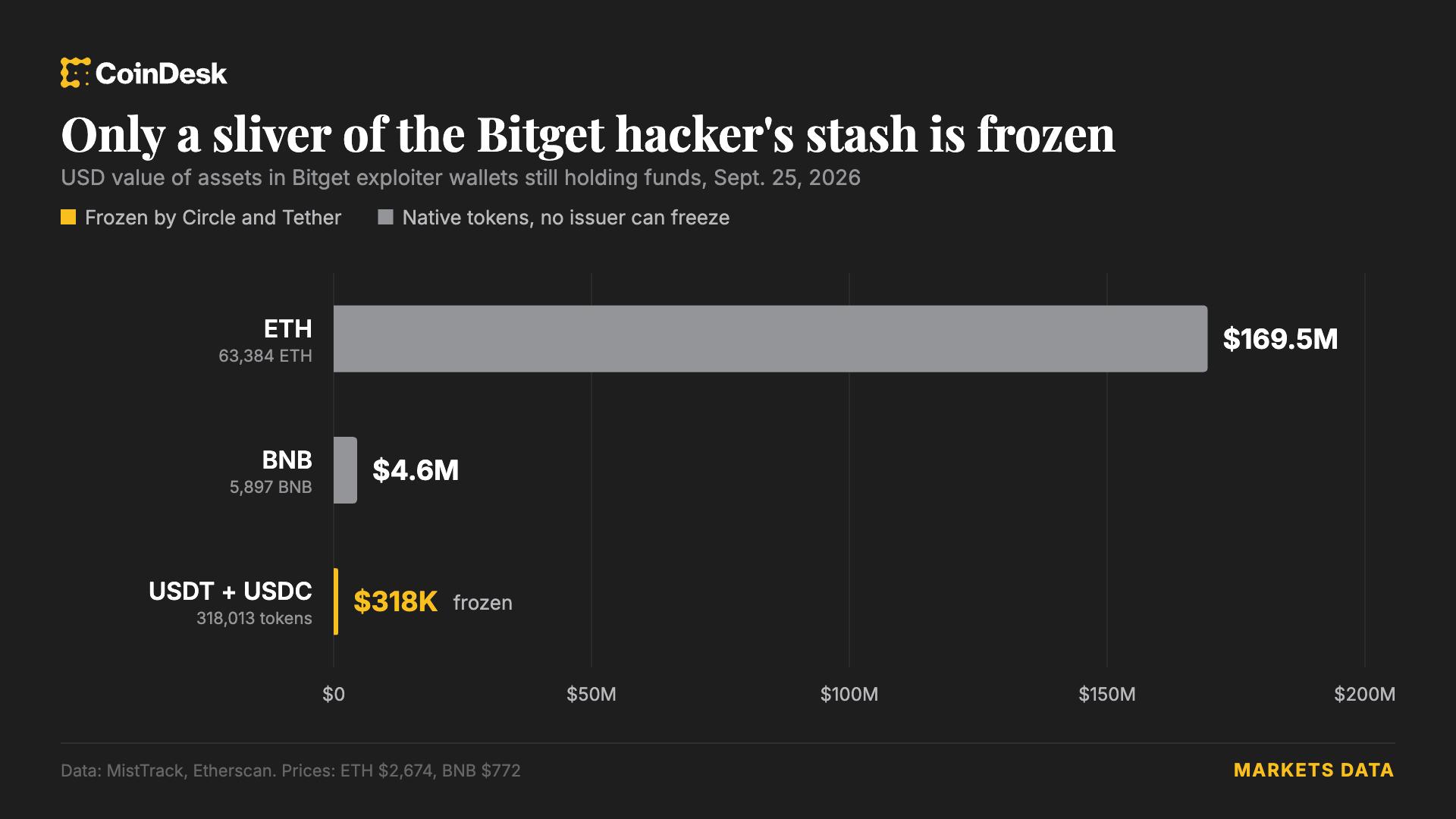
In March 2026, the cryptocurrency exchange Bitget suffered a $352 million hack that was carried out through spoofed transfer requests rather than stealing private keys. After the breach, Circle and Tether announced that they would work together to freeze the hacker’s wallet holding the stolen stablecoins. By flagging the address on their respective ledgers, they prevented the hacker from converting the stolen USDC and USDT into other assets on the platforms that respect those controls.
What this means for you as an online earner
If you earn crypto through mining, staking, or cloud rewards, you likely hold stablecoins as a low‑volatility portion of your portfolio. Knowing that issuers can freeze addresses gives you a layer of protection against large‑scale theft, but it also highlights the limits of that protection. Only assets issued by entities that maintain off‑chain controls can be frozen; pure decentralized tokens (like Bitcoin or Ethereum) cannot be stopped once they’re transferred.
Therefore, diversifying the types of assets you hold, using reputable custodial services, and keeping your private keys secure remain essential steps to safeguard your earnings.
How to evaluate the safety of a crypto asset
- Issuer centralization: Check whether the token is issued by a company that can enforce off‑chain policies. Stablecoins such as USDC and USDT have this capability.
- Compliance track record: Look for public statements or past actions where the issuer has cooperated with law enforcement or taken steps to freeze suspicious addresses.
- Smart‑contract design: Some tokens include built‑in blacklisting functions that allow the issuer to reject transfers from certain addresses.
- Custody options: Using a custodial wallet that enforces additional security checks can add another barrier for thieves.
FAQ
Can a hacker still move frozen assets?
If the token’s issuer enforces a blacklist, the blockchain will reject any transfer attempts from the flagged address. The hacker would need to move the assets to a different token that lacks such controls, or convert them through an exchange that does not honor the blacklist.
Does freezing affect all cryptocurrencies?
No. Only assets that rely on a central issuer with off‑chain enforcement can be frozen. Fully decentralized tokens like Bitcoin cannot be stopped once they are transferred.
What should I do if I notice a suspicious transaction on my wallet?
Immediately stop using the compromised keys, move any remaining assets to a new secure wallet, and report the incident to the relevant token issuers and, if applicable, to law enforcement.
Is using stablecoins safer than holding Bitcoin?
Stablecoins offer the advantage of potential freezing and compliance measures, but they also introduce counterparty risk because they depend on the issuing company’s solvency and policies. Bitcoin has no such counterparty risk but cannot be frozen once transferred.
This article references reporting from coindesk.com.