
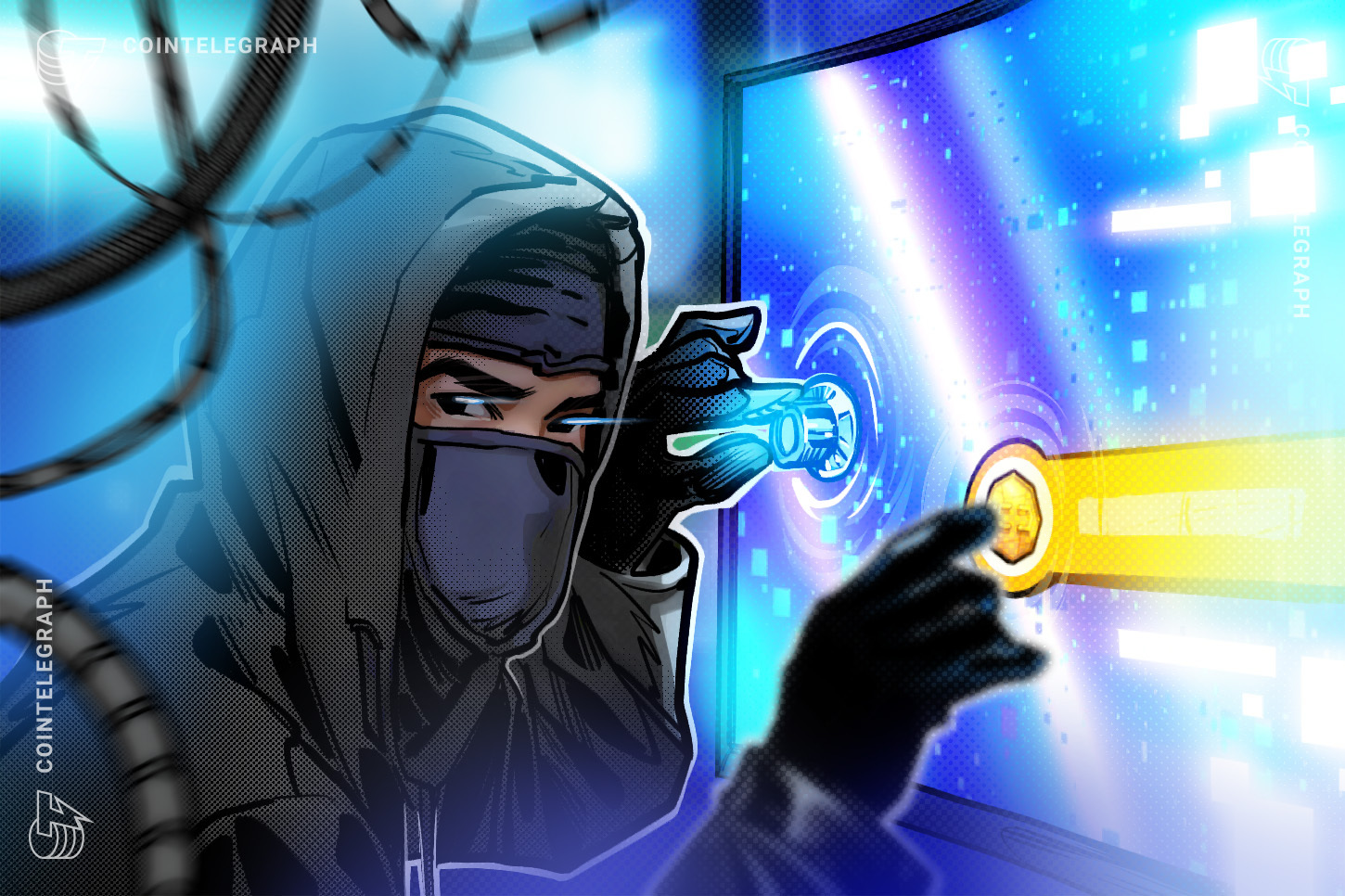
Wondering why your crypto holdings might be at risk and how to spot a safe exchange? This article explains the mechanics behind common crypto hacks and gives you practical steps to evaluate a platform’s security before you start earning online.
What a hack actually looks like
A crypto hack is an unauthorized transfer of digital assets from a wallet or exchange. Unlike traditional banks, crypto assets are stored in cryptographic keys: a private key proves ownership, while a public key is the address anyone can send funds to. If a malicious actor obtains the private key—or exploits a vulnerability in the software that controls it—they can move the assets without the owner’s consent.
There are several typical attack vectors:
- Phishing attacks: Fake emails or websites trick users into revealing their private keys or login credentials.
- Smart‑contract exploits: Bugs in the code of decentralized applications (dApps) allow attackers to call functions they shouldn’t, often draining funds.
- Insider threats: Employees with privileged access misuse their rights, either intentionally or through negligence.
- Infrastructure breaches: Weaknesses in an exchange’s servers, APIs, or cloud services can be compromised, giving attackers a foothold.
- Mixing services abuse: Tools like Tornado Cash obscure the trail of funds, making it harder to trace stolen assets.
When a hack occurs, the stolen tokens often move quickly through multiple wallets and decentralized exchanges (DEXs) to hide their origin. Stablecoins—tokens pegged to fiat currencies such as USDT (Tether) or USDC (Circle)—are popular targets because they can be quickly converted to cash.
Real‑world illustration
In October 2026, Binance announced it was investigating a potential multibillion‑dollar breach involving one of its Ethereum wallets. A blockchain researcher reported that assets from a Binance‑linked wallet had been transferred to a newly created address via a contract call allegedly funded by Tornado Cash. Following the suspicious activity, the stablecoin issuers Tether and Circle froze more than $2.36 billion in USDT and USDC, respectively, to protect users and aid the investigation.
What this means for you
If you plan to earn crypto through staking, cloud mining, or trading on an exchange, a breach like the Binance incident highlights two key points:
- Your funds are only as safe as the platform’s security practices. Even large, well‑funded exchanges can be vulnerable.
- Stablecoins are not immune to hacks. While they are designed for stability, they are still digital tokens stored on the blockchain and can be stolen like any other asset.
Therefore, you should treat every platform as a potential risk and take steps to protect your holdings.
How to assess a platform’s security
Before depositing funds, run through this quick checklist:
- Audit transparency: Does the exchange publish regular security audits by reputable third parties?
- Cold‑storage ratio: What percentage of user funds are kept offline in hardware wallets, away from internet exposure?
- Multi‑factor authentication (MFA): Is MFA mandatory for withdrawals and account changes?
- Bug bounty program: Does the platform reward security researchers for finding vulnerabilities?
- Regulatory compliance: Is the exchange registered with relevant financial authorities and does it cooperate with law enforcement?
- Incident history: Review past security incidents and how the platform responded—prompt freezes and clear communication are good signs.
FAQ
Can I recover funds after a hack?
Recovery is rare. Once private keys are compromised, the attacker controls the assets. Some projects may reimburse users from insurance funds, but this is not guaranteed.
Are hardware wallets safer than exchanges?
Yes. A hardware wallet stores your private key offline, making it immune to remote hacks. However, you must keep the recovery seed safe; loss of the seed means loss of access.
What role do stablecoin issuers play in a hack?
Issuers like Tether and Circle can freeze tokens linked to suspicious activity, preventing further movement. Freezing helps protect the broader ecosystem but does not return the stolen funds to the original owners.
Is using a decentralized exchange (DEX) safer?
DEXs remove a central custodian, so you retain control of your keys. However, they are still vulnerable to smart‑contract bugs and phishing attacks, so you need to verify contract addresses and use reputable platforms.
This article references reporting from cointelegraph.com.





