Ever wonder why the price of Bitcoin can swing wildly in a single hour, or why some platforms seem to offer better yields than others? This article explains what “crypto market structure” really means, how it works, and what it means for anyone trying to earn passive income online.
What is crypto market structure?
Crypto market structure refers to the way digital assets are bought, sold, and settled across the ecosystem. It includes the network of exchanges, liquidity providers, custodians, and the underlying technology that matches orders and records transactions on a blockchain. In simple terms, think of it as the “plumbing” that moves coins from one wallet to another.
Key components are:
- Exchanges – platforms where users place buy or sell orders. They can be centralized (run by a company) or decentralized (run by smart contracts).
- Liquidity – the amount of assets available for trade without causing large price moves. Liquidity comes from market makers, institutional traders, and retail participants.
- Order books – a list of pending buy and sell orders at different prices. The best matching orders execute trades instantly.
- Custody – how assets are stored. Custodians hold assets on behalf of users, while self‑custody means you keep the private keys yourself.
- Settlement layer – the blockchain that records the final transfer of ownership. For Bitcoin, this is the Bitcoin blockchain; for stablecoins like USDC, it’s typically Ethereum or a layer‑2 solution.
Each piece influences how quickly you can move funds, the fees you pay, and the risk of price slippage (the difference between the expected price and the actual execution price).
Real‑world illustration
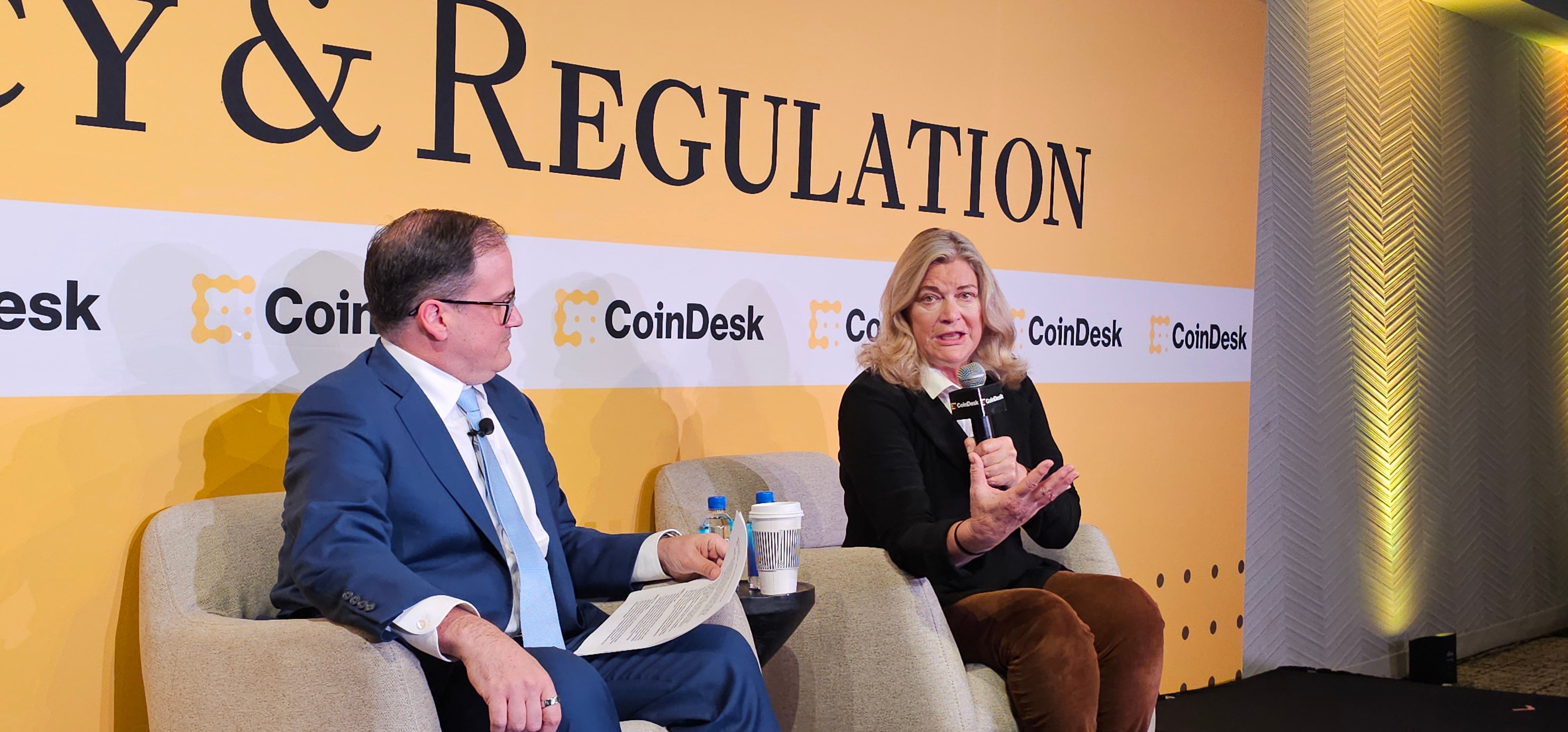
In March 2026, the White House commented that “crypto market structure can’t wait for a post‑election Clarity Act surge,” highlighting how regulatory uncertainty can affect the speed at which new financial products are built and adopted. The statement underscored that the underlying infrastructure—exchanges, liquidity pools, and custodial services—must be robust before policy changes can have their intended effect.
What it means for you
If you’re looking to earn online through staking, yield farming, or cloud mining, the market structure determines how easily you can enter and exit positions. A well‑connected exchange with deep liquidity lets you sell a staking reward quickly without hurting the price. Conversely, a fragmented market can trap your funds in low‑volume pools, forcing you to accept lower returns or wait longer to cash out.
Understanding the structure also helps you assess risk. Centralized exchanges may offer convenience but introduce counterparty risk—if the exchange fails, you could lose access to your assets. Decentralized platforms reduce that risk but may have higher transaction fees or slower settlement times, especially during network congestion.
What to check before you start earning
- Liquidity depth – Look at the average daily volume of the platform or token you plan to use. Higher volume usually means lower slippage.
- Custody model – Decide whether you prefer self‑custody (you control the private keys) or a reputable custodial service that offers insurance.
- Fees – Compare trading, withdrawal, and network fees across platforms. Hidden fees can erode passive income.
- Regulatory compliance – Ensure the platform follows local regulations, which can affect the safety of your funds.
- Network health – For blockchain‑based earnings, check the transaction speed and congestion of the underlying network.
FAQ
Why does liquidity matter for staking rewards?
Liquidity determines how easily you can convert earned tokens into cash or other assets. In a liquid market, you can sell rewards without moving the price, preserving the value of your earnings.
Is a decentralized exchange always safer than a centralized one?
Decentralized exchanges remove the need to trust a single company, but they can have smart‑contract bugs and higher gas fees. Centralized exchanges offer user‑friendly interfaces and support but carry the risk of hacks or insolvency. Evaluate both based on your comfort with technical risk.
Can regulatory changes affect my passive income?
Yes. New laws can restrict certain activities (like staking certain tokens) or impose reporting requirements. Staying informed about the regulatory environment helps you adapt your strategy without unexpected interruptions.
How do I know if a platform’s fees are too high?
Calculate the total cost of a typical cycle: deposit, earn, and withdraw. Compare that to the advertised yield. If fees consume a large portion of the return, the net earnings may be negligible.
This article references reporting from coindesk.com.