Ever wonder how your bank could move money instantly while still keeping it safe and insured? This article explains what tokenized deposits are, how they differ from stablecoins, and what the emerging technology could mean for anyone looking to earn or transfer money online.
What Are Tokenized Deposits?
A tokenized deposit is a digital representation of a traditional bank deposit. The underlying money still sits in a regulated bank account, and the bank remains liable for that amount. The “token” is simply a piece of data—often built on a distributed ledger or blockchain—that records ownership of the deposit and can be transferred electronically.
Because the token is backed 1:1 by real cash held at the bank, it is not a separate asset like a fiat‑backed stablecoin, which is issued by a non‑bank entity and relies on a reserve of assets to maintain its value. Tokenized deposits retain all the legal protections of a conventional deposit, including deposit insurance where applicable.
Key terms:
- Distributed ledger: A database that is shared across multiple locations or participants, allowing for transparent and tamper‑evident record‑keeping.
- Liability: In banking, the amount a bank owes to its depositors. Tokenized deposits remain a liability of the issuing bank.
- Stablecoin: A cryptocurrency designed to maintain a stable value, usually by being backed by fiat currency or other assets.
How the System Works
When you deposit cash into a bank, the institution records the amount in its internal ledger. To create a tokenized version, the bank issues a digital token that references the same underlying balance. This token can be sent to another bank’s ledger, where it is recognized as a claim on the original deposit.
The transfer happens almost instantly because the token moves on a fast, programmable network rather than through traditional interbank clearing houses, which can take days. The receiving bank then updates its own records to reflect the new ownership, while the original bank’s liability remains unchanged—the cash never leaves the banking system.
Because the token is merely a data pointer, it can be programmed with additional rules, such as automatic settlement dates, conditional payments, or integration with smart contracts for more complex financial products.
Real‑World Example
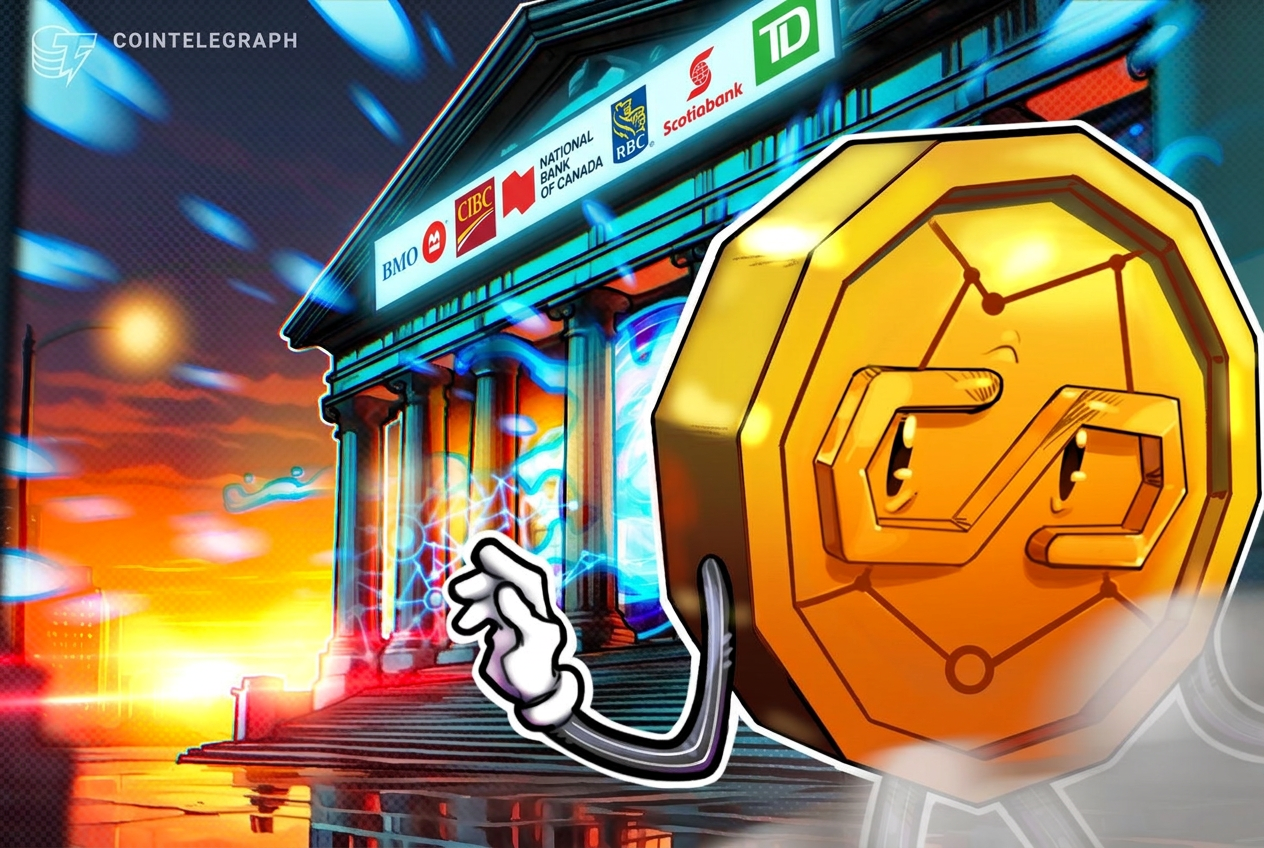
In September 2026, Canada’s six largest banks—including the Bank of Montreal, CIBC, and the Royal Bank of Canada—announced a joint project to develop tokenized Canadian dollar deposits for interbank payments. The first phase will focus on moving these digital tokens between Canadian financial institutions, with a longer‑term vision of linking to other digital‑asset systems. This initiative follows guidance from the Office of the Superintendent of Financial Institutions (OSFI) on September 10, 2026, which clarified that tokenized deposits are “not legally distinct from traditional deposits.”
What It Means for You
For everyday users, tokenized deposits could lead to faster, cheaper payments. Instead of waiting for a batch‑processed ACH transfer, you could move funds between banks in near real‑time, while still benefiting from the safety of a regulated deposit.
For those seeking passive income, the technology opens the door to new earning opportunities. Programmable tokens can be used in automated yield‑generating strategies, such as interest‑bearing accounts that settle instantly, or in decentralized finance (DeFi) platforms that accept tokenized deposits as collateral. However, any such strategy still carries the usual banking risks and, where applicable, regulatory limits.
What to Check Before Using Tokenized Deposit Services
- Confirm that the token is issued by a regulated bank and that the underlying cash is covered by deposit insurance where applicable.
- Understand the settlement timeline and any fees associated with token transfers versus traditional methods.
- Review the platform’s security measures, especially how the private keys or access controls for the tokens are managed.
- Check whether the service integrates with other financial tools you use, such as budgeting apps or payroll systems.
- Be aware of the regulatory environment; tokenized deposits are treated as traditional deposits, but related services (e.g., programmable payments) may have separate compliance requirements.
FAQ
Are tokenized deposits the same as stablecoins?
No. Stablecoins are separate digital assets issued by non‑bank entities and rely on reserves to maintain value. Tokenized deposits are simply digital versions of existing bank deposits, with the same legal status and protections.
Do tokenized deposits carry deposit insurance?
Because the underlying funds remain traditional deposits at a regulated bank, they are generally covered by the same deposit insurance schemes that protect regular accounts.
Can I earn interest on tokenized deposits?
Interest is determined by the issuing bank’s policies, just like a regular savings account. Some platforms may offer programmable interest that settles instantly, but the rate and terms will vary.
Is it safe to transfer money using tokenized deposits?
Safety depends on the bank’s security practices and the underlying ledger technology. Since the tokens are backed by real cash held at the bank, the primary risk is similar to that of traditional banking—mainly operational or cyber‑security failures.
This article references reporting from cointelegraph.com.