Are you wondering how government rules affect your ability to earn crypto online? This article explains the basics of crypto regulation, why it matters for miners, stakers, and cloud‑reward platforms, and what you can do to stay on the right side of the law.
What crypto regulation actually is
Crypto regulation refers to laws and rules that governments create to oversee digital assets such as cryptocurrencies, tokenized securities, and decentralized finance (DeFi) services. These rules can cover a range of topics, including:
- Classification: Whether a token is treated as a currency, a security, a commodity, or something else.
- Licensing: Which businesses must obtain a financial‑services licence to operate.
- Anti‑money‑laundering (AML) and know‑your‑customer (KYC) requirements: Obligations to verify user identities and report suspicious activity.
- Tax reporting: How earnings from mining, staking, or trading must be declared to tax authorities.
- Consumer protection: Rules that aim to prevent fraud, mis‑selling, or loss of funds.
Regulators use existing financial‑law frameworks and often adapt them to fit the novel features of blockchain technology. Because the space evolves quickly, laws can change, be clarified, or be repealed, creating a moving target for participants.
Real‑world illustration
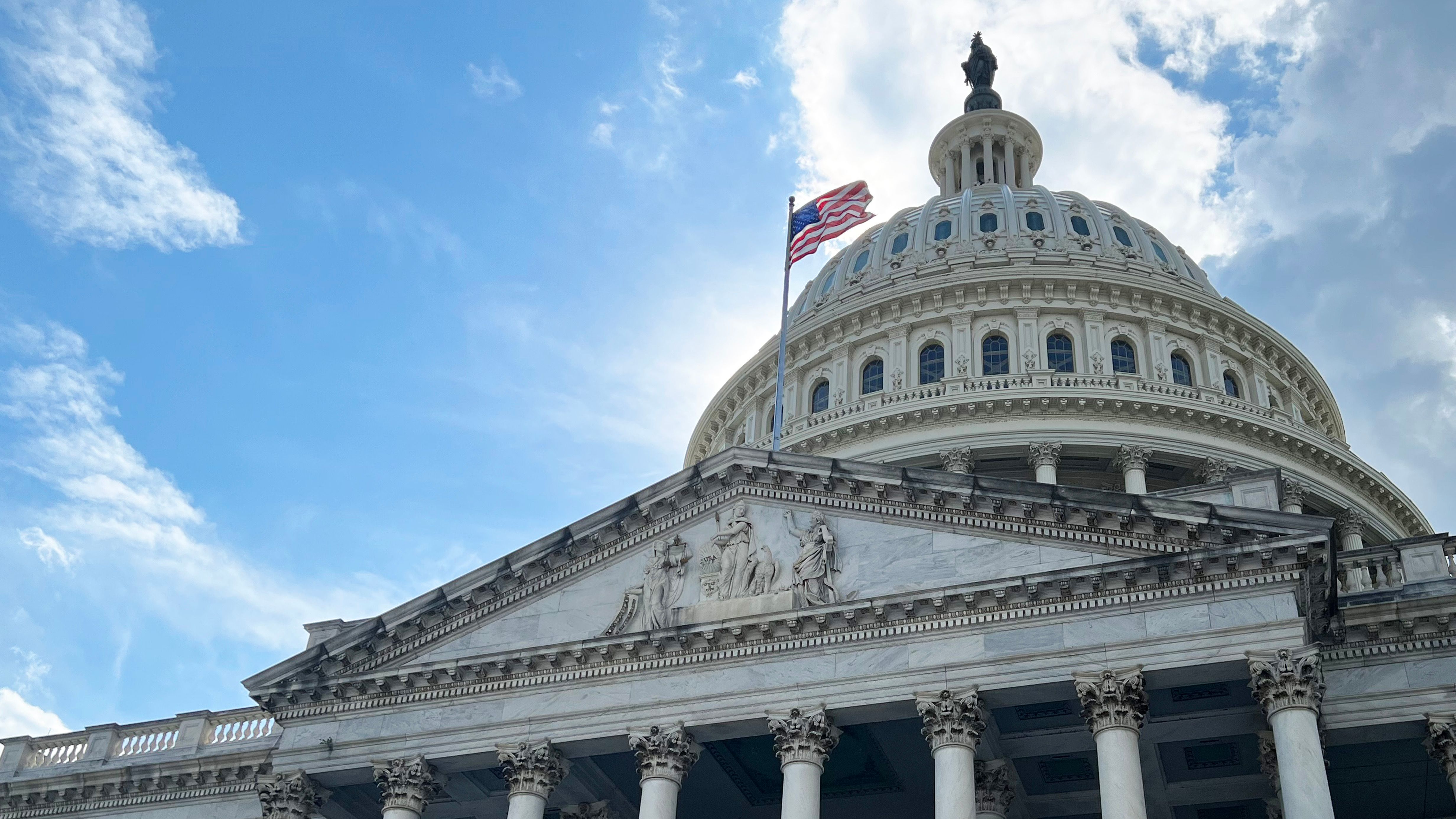
In March 2026, industry experts warned that the United States’ “Clarity Act” – a piece of legislation introduced to provide legal certainty for tokenized assets – could be effectively dead after the incoming Democratic majorities signaled tighter scrutiny of crypto markets and tokenized stocks. The discussion highlighted how political shifts can reshape the regulatory landscape, potentially altering the rules that govern earning mechanisms such as mining pools and cloud‑reward services.
What it means for you
If you earn crypto through mining, staking, or cloud‑based reward platforms, regulatory changes can affect you in several ways:
- Eligibility: Some platforms may need to obtain new licences, and users in certain jurisdictions could be barred from participating.
- Tax obligations: New reporting requirements may increase the paperwork you must file each tax year.
- Reward rates: Compliance costs can lead platforms to adjust payout percentages or introduce fees.
- Asset availability: Tokens classified as securities might be removed from certain services, limiting the range of earnable assets.
How to evaluate a platform’s regulatory standing
- Check licensing information: Reputable services usually display their financial‑services licence numbers and the regulator that issued them.
- Review KYC/AML policies: Look for clear explanations of identity verification steps and data‑privacy practices.
- Confirm tax reporting tools: Platforms that provide transaction histories or tax‑report generators make compliance easier.
- Monitor news from regulators: Follow updates from bodies such as the U.S. Securities and Exchange Commission (SEC) or the Financial Conduct Authority (FCA) to anticipate rule changes.
- Assess transparency: Open‑source code, audited smart contracts, and publicly available audit reports are good signs of a platform’s commitment to compliance.
FAQ
What is the difference between a cryptocurrency and a tokenized stock?
A cryptocurrency like Bitcoin functions as a digital money and is usually classified as a commodity. A tokenized stock represents a share of a traditional company that has been issued on a blockchain; regulators often treat it as a security, which brings additional compliance rules.
Do I need to report earnings from a mining pool?
Yes. In most jurisdictions, any income earned from mining or pool rewards is considered taxable income and must be reported on your tax return. Keep detailed records of the amount earned, the fair‑market value at the time of receipt, and any related expenses.
Can a platform shut down my account because of new regulations?
It can, if the platform determines that continuing to serve you would violate its licensing or AML obligations. This is why it’s important to choose services that operate under clear regulatory frameworks and to stay informed about rule changes.
How can I protect myself from sudden regulatory shifts?
Diversify across multiple reputable platforms, maintain your own private keys when possible, and keep an eye on official regulator announcements. Having a flexible strategy reduces the impact if one service becomes restricted.
This article references reporting from coindesk.com.