
Ever wonder how government rules affect the way you can buy, hold, or earn cryptocurrency? This article breaks down the basics of crypto regulation, explains why it matters for everyday earners, and shows how recent developments illustrate the broader picture.
The plain explanation
Crypto regulation refers to the set of laws and supervisory rules that a government applies to digital assets such as Bitcoin (BTC), Ether (ETH) and stablecoins like USDT. These rules typically cover four main areas:
- Licensing of service providers: Exchanges (platforms where you trade crypto) and custodians (entities that hold crypto on your behalf) must obtain a licence or registration from a designated authority. The licence ensures the provider meets standards for security, anti‑money‑laundering (AML) procedures and consumer protection.
- Oversight and reporting: Licensed operators are required to submit regular reports on transaction volumes, suspicious activity and compliance measures. This gives regulators visibility into market activity and helps prevent illicit use.
- Restrictions on use: Laws may limit how crypto can be used. For example, many jurisdictions ban using crypto to pay for goods and services, or they may prohibit certain high‑risk tokens.
- Tax and investor protection: Regulations often define how crypto earnings are taxed and may impose rules on advertising, disclosures and the handling of customer funds.
When a regulator creates a formal framework, it usually establishes a central supervisory body—such as a central bank or financial authority—to issue licences, maintain public registers of authorised operators, and enforce compliance. The goal is to bring clarity to a fast‑moving sector while mitigating risks like fraud, hacking and money‑laundering.
A real example
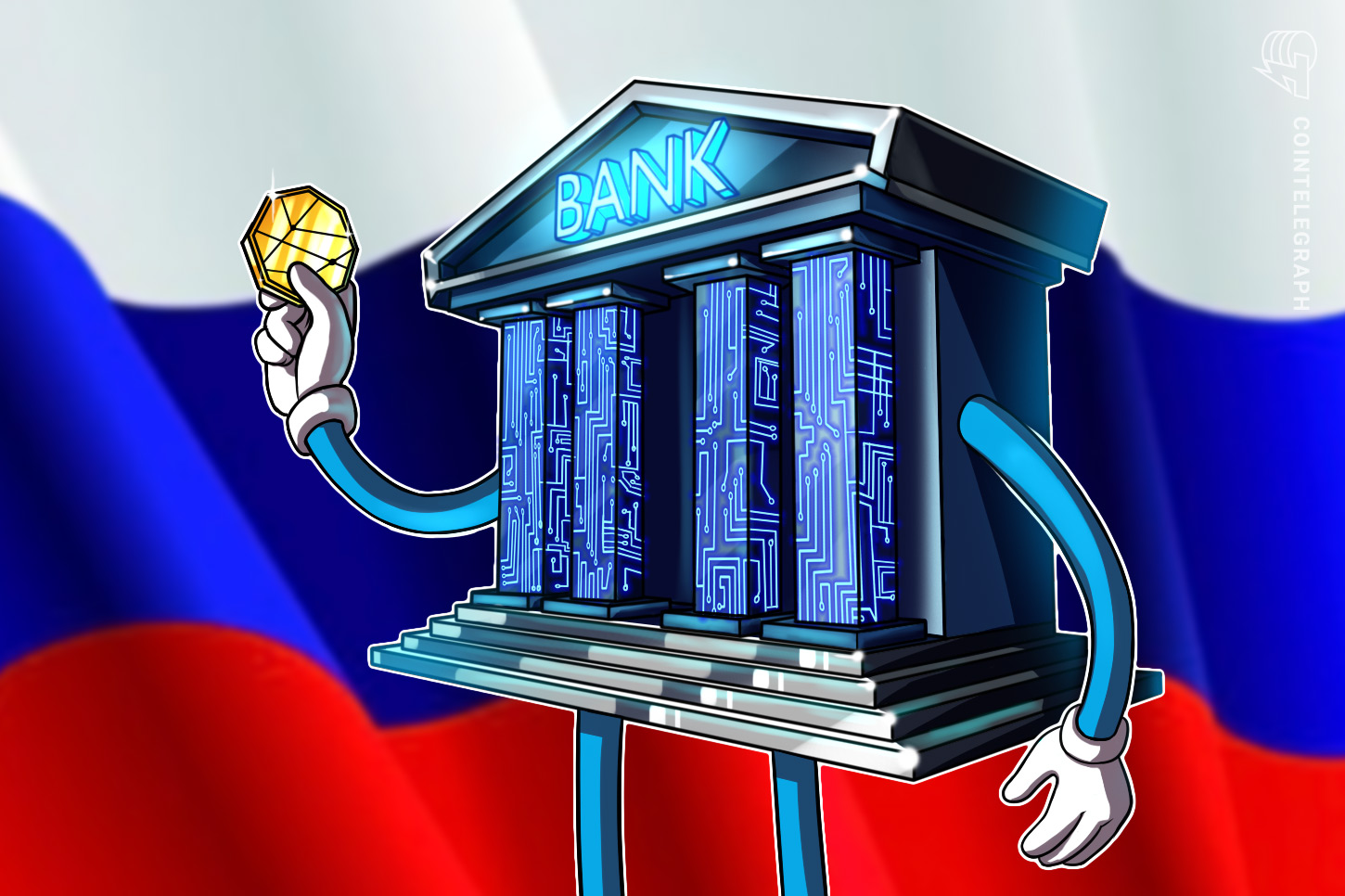
In September 2026, Russia’s central bank, the Bank of Russia, published its first registers of authorised crypto operators. The list included four exchange operators and five digital custodians, among them the country’s largest bank, Sberbank. Sberbank announced plans to launch crypto products on 1 December 2026, initially supporting BTC, ETH and USDT through its existing online platforms. The registrations followed a crypto law signed by President Vladimir Putin in August 2026, which placed exchanges, custodians, brokers and investors under the Bank of Russia’s oversight while maintaining the ban on using crypto for payments.
What it means for you
Regulated exchanges and custodians provide a higher level of confidence that your funds are protected and that the platform follows AML and know‑your‑customer (KYC) rules. When you earn crypto—whether through mining, staking, cloud rewards or other passive‑income methods—using a licensed provider can reduce the risk of sudden service shutdowns, frozen assets or loss due to non‑compliance.
However, regulation does not guarantee safety from market risk. Prices can still be volatile, and any earnings you generate remain subject to tax obligations in your jurisdiction. Additionally, if a regulator bans certain activities (e.g., using crypto for payments), you may need to adjust how you spend or convert your earnings.
What to check / how to judge
- Verify that the exchange or custodian appears on an official register published by the relevant regulator (e.g., the Bank of Russia’s list of authorised operators).
- Review the provider’s AML/KYC policies to ensure they meet international standards.
- Confirm that the platform offers transparent fee structures and clear terms for withdrawing or converting crypto earnings.
- Check whether the service complies with local tax reporting requirements; reputable providers often supply transaction statements for tax filing.
- Assess the platform’s security measures—such as cold storage, multi‑factor authentication and insurance coverage—for stored assets.
FAQ
Is it safe to keep my earnings on a regulated exchange?
Regulation adds a layer of oversight that can improve security and consumer protection, but it does not eliminate all risks. Use strong passwords, enable two‑factor authentication, and consider moving large balances to a personal hardware wallet when possible.
Do I need to pay taxes on crypto earnings earned through cloud mining or staking?
In most jurisdictions, earnings from mining, staking or other passive‑income activities are considered taxable income. You should report the fair market value of the crypto at the time you receive it and keep records for future capital‑gain calculations when you sell or trade.
Can I still use crypto to buy goods if my country has a ban?
A ban on using crypto for payments means merchants cannot legally accept it as a form of payment. You can still hold, trade or earn crypto, but you would need to convert it to a fiat currency before purchasing goods or services.
What if a regulated provider stops offering crypto services?
Regulators may revoke licences if a provider breaches rules. In such cases, the provider is usually required to return customer assets or facilitate a migration to another licensed service. Keeping your private keys and having a backup plan can help you respond quickly.
This article references reporting from cointelegraph.com.





