Do you wonder how government rules shape the way you can buy and sell cryptocurrencies? This article explains what crypto trading regulations are, how they work, and what they mean for anyone looking to earn passive income or simply diversify a portfolio.
What crypto trading regulations actually are
Crypto trading regulations are a set of legal requirements that govern how digital assets such as Bitcoin (BTC), Ether (ETH) and stablecoins like Tether (USDT) can be bought, sold, and held. They are typically issued by a country’s financial authority—in many cases a central bank or securities regulator. The goal is to protect retail (non‑professional) investors, prevent money‑laundering, and ensure market stability.
Key elements of most regulations include:
- Licensing of intermediaries: Only exchanges, brokers or asset managers that obtain a licence may offer crypto services to the public.
- Investor qualification: Rules often separate “qualified” investors (those with sufficient experience or assets) from “non‑qualified” or retail investors, applying stricter limits to the latter.
- Purchase limits: Retail investors may be capped on the amount of crypto they can acquire in a given period, usually expressed in the local currency.
- Mandatory testing or disclosure: Some jurisdictions require a basic test or a set of disclosures before an individual can trade, ensuring they understand the risks.
- Asset eligibility: Regulators may specify which coins are allowed for public trading, often based on market‑cap, trading volume and price history.
- Restrictions on peer‑to‑peer (P2P) trading: Direct trades between private parties may be limited or banned to keep activity within licensed platforms.
These rules are not static; they evolve as markets mature and as governments respond to new risks.
Real‑world illustration: Russia’s new crypto trading framework
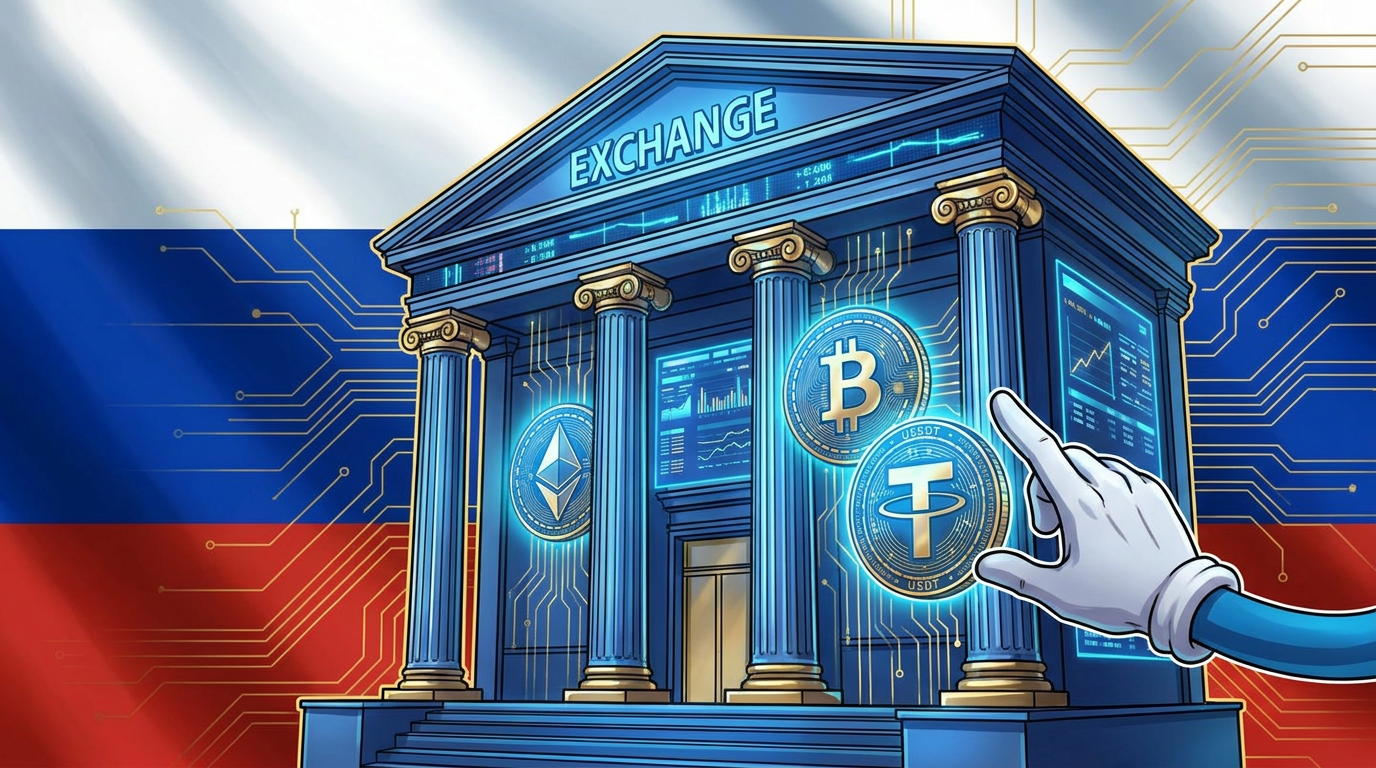
In March 2026, Russia’s central bank finalized a set of rules that allow retail investors to trade BTC, ETH and USDT through regulated intermediaries. The regulations, which took effect on 17 November 2026, impose an annual purchase ceiling of 300,000 rubles (about $3,700) for non‑qualified investors per intermediary. Qualified investors face no such cap, but everyone must pass a mandatory knowledge test before trading.
The framework builds on legislation signed by President Vladimir Putin on 4 August 2026, which created a regulated crypto market under central‑bank oversight. The Bank of Russia identified the three eligible coins based on market‑capitalisation, daily trading volume and a minimum five‑year price history on foreign exchanges. Following the law’s entry on 1 September 2026, the country’s largest bank, Sberbank, received authorisation to offer crypto exchange services in October, and the Moscow Exchange announced a pilot launch on 1 December 2026.
At the same time, Russia tightened rules on unregulated activity: direct peer‑to‑peer crypto trading will be prohibited from 1 July 2027, and transfers from regulated digital accounts to self‑custody wallets are already banned. The country also continues to forbid the use of crypto for payments.
What this means for you as a small investor
If you live in a jurisdiction that adopts similar rules, you can expect a more structured environment for buying crypto. Licensed platforms will provide a level of consumer protection, such as segregation of client funds and compliance with anti‑money‑laundering (AML) standards. However, the trade‑off is reduced flexibility: you may face purchase limits, mandatory education tests, and restrictions on moving assets to private wallets.
For those seeking passive income through staking, lending or cloud‑mining rewards, regulated platforms often require you to keep your holdings on‑platform. This can simplify reward collection but also means you rely on the platform’s security and solvency. Understanding the regulatory backdrop helps you gauge whether the convenience outweighs the added custodial risk.
How to evaluate a regulated crypto service
- Check the licence: Verify that the exchange or broker holds a licence from the relevant financial authority.
- Review investor categories: Know whether you are classified as a retail or qualified investor and what limits apply.
- Assess asset eligibility: Ensure the platform lists the coins you want to trade and that they meet local eligibility criteria.
- Understand custody rules: Determine if you can withdraw to a self‑custody wallet or if the service requires on‑platform storage.
- Look for transparency: Platforms should publish their AML/KYC (know‑your‑customer) policies, fee structures and risk disclosures.
- Consider the testing requirement: Be prepared to complete any mandatory knowledge assessment before you can trade.
FAQ
What is the difference between a qualified and a non‑qualified investor?
A qualified investor typically meets higher income, net‑worth or professional experience thresholds, allowing them to access a broader range of services and higher transaction limits. Non‑qualified (retail) investors are subject to stricter caps and additional educational requirements.
Can I still hold my crypto in a hardware wallet if my country imposes custodial rules?
If the regulation bans transfers from regulated accounts to self‑custody wallets, you must keep the assets on the licensed platform. Some jurisdictions may relax this rule over time, but you need to follow the specific legal text.
Do purchase limits apply per platform or across all platforms?
In Russia’s framework, the 300,000‑ruble annual limit applies per intermediary, meaning you could theoretically spread purchases across multiple licensed providers. Always verify the exact wording of the local regulation.
How do mandatory tests protect me as a trader?
The test ensures you understand basic concepts such as volatility, custody risk and regulatory compliance. While it does not eliminate risk, it reduces the chance of uninformed decisions that could lead to significant losses.
This article references reporting from cointelegraph.com.