Are you trying to understand why a cryptocurrency’s price can jump suddenly even when overall market sentiment seems mixed? This article explains how futures volume, open interest, and related metrics can signal a short squeeze, and what that means for anyone looking to earn or trade online.
What futures volume and open interest actually measure
In crypto derivatives, futures contracts let traders agree today on a price for an asset that will be settled at a future date. Two key numbers track activity in these markets:
- Futures volume – the total number of contracts that change hands over a given period, usually 24 hours. High volume shows a lot of buying and selling activity.
- Open interest (OI) – the total number of contracts that are still open, i.e., not yet settled or closed. OI rises when new positions are created and falls when they are closed.
When volume is much higher than the change in OI, it often means traders are closing existing positions rather than opening new ones. Conversely, a rise in both volume and OI suggests fresh money is entering the market.
How a short squeeze shows up in the data
A short squeeze occurs when many traders who bet that a price would fall (short positions) are forced to buy back the asset to limit losses as the price rises. This buying pressure can push the price even higher, creating a feedback loop.
Key indicators of a short squeeze include:
- Very high futures volume relative to the modest change in OI – traders are rapidly closing positions.
- Large liquidations of short contracts – exchanges automatically close losing short positions when margin runs out.
- A rising price despite a negative cumulative volume delta (CVD), which measures the net direction of aggressive trades.
These signals together suggest that the price move is driven more by short-covering than by new long‑side conviction.
Real‑world illustration
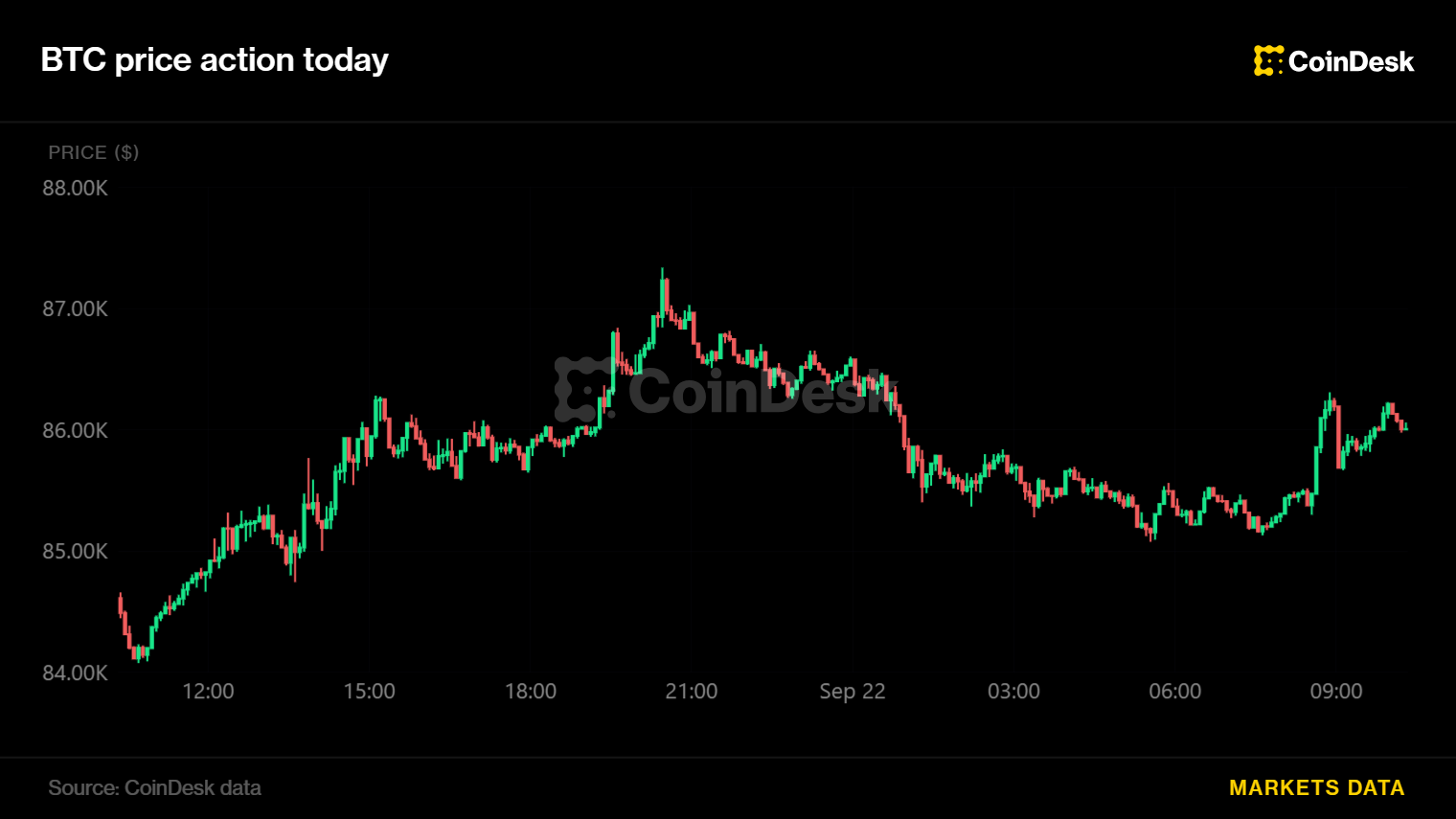
In March 2026, the crypto market saw a notable bounce after Asian‑session lows. Futures volume jumped 38 % to $292 billion in a single day, while open interest rose only 1 % to $157 billion, pushing the volume‑to‑OI ratio close to 2. At the same time, $768 million in liquidations—mostly short positions—were recorded. Analysts interpreted this pattern as a short squeeze rather than fresh, conviction‑driven buying.
What this means for you
If you are looking to earn passive income through trading or using platforms that offer leveraged products, understanding these metrics helps you gauge market pressure. A short squeeze can create a rapid price rise that may be tempting to ride, but it also means the move could be short‑lived once the forced buying subsides. Recognising a squeeze early can prevent you from entering a trade at a peak or from being caught on the wrong side of a sudden reversal.
How to evaluate a potential short squeeze
When you spot a price rally, check the following:
- Volume‑to‑OI ratio – a ratio above 1.5 often points to heavy closing activity.
- Liquidation data – large short‑side liquidations indicate pressure on bearish positions.
- Cumulative volume delta (CVD) – a negative CVD while price climbs suggests buying is driven by short‑covering.
- Leverage trends – rapid increases in open interest for a specific coin (e.g., a 10 % jump in DOGE OI) can signal growing speculative interest.
Combine these data points with broader market sentiment and news to decide whether a rally is likely to continue or fade.
FAQ
What is the difference between volume and open interest?
Volume counts how many contracts change hands in a period, while open interest counts how many contracts remain open at a point in time. Volume can be high even if OI stays flat, indicating many contracts are being closed.
Why does a short squeeze cause price spikes?
When short sellers are forced to buy back the asset to limit losses, their buying adds demand, pushing the price up. This can trigger more short sellers to close, amplifying the move.
Can I profit from a short squeeze?
Potentially, but it is risky. The price rise may be brief, and entering late can expose you to a quick reversal. Use tight risk management and consider the underlying fundamentals before trading.
Do all price rallies involve short squeezes?
No. A rally driven by new long positions, strong fundamentals, or positive news will usually show rising open interest alongside volume. A short squeeze is identified by high volume with only modest OI growth and significant short liquidations.
This article references reporting from coindesk.com.