Ever wondered why a news story about oil or a distant conflict seems to move the price of Bitcoin? This article explains the mechanisms behind geopolitical events and their impact on cryptocurrency markets, helping you understand what to watch and how to react.
The plain explanation
Cryptocurrencies, like Bitcoin, are traded on global markets that operate 24/7. Their prices are set by supply and demand, which can be swayed by many factors beyond the technology itself. One of the most powerful influences is geopolitical risk—the uncertainty created by political actions, conflicts, or policy changes that affect the broader economy.
When a geopolitical event occurs, it can change investor sentiment in three main ways:
- Risk appetite: Traders may shift money between “safe‑haven” assets (such as gold or the U.S. dollar) and “risk‑on” assets (like equities or crypto) depending on how threatened they feel.
- Currency flows: Sanctions, trade restrictions, or changes in oil prices can affect the value of national currencies, which in turn influences how much local money is available to buy crypto.
- Inflation expectations: Events that raise or lower commodity prices (especially oil) can alter expectations about future inflation, prompting investors to seek assets that they believe will preserve value.
Because Bitcoin is often marketed as a store of value independent of any single government, it can act like a digital version of gold. However, it is also highly liquid and reacts quickly to shifts in market sentiment, making it more volatile than traditional safe‑havens.
A real example
In March 2026, reports emerged that Iran might reopen the Strait of Hormuz within a week if the United States reduced military pressure. The Strait of Hormuz is a critical chokepoint for global oil shipments, and any change in its status can move oil prices dramatically. Following the news, West Texas Intermediate (WTI) crude fell more than 2.5% to $89 per barrel, while Brent crude dropped below $98 per barrel.
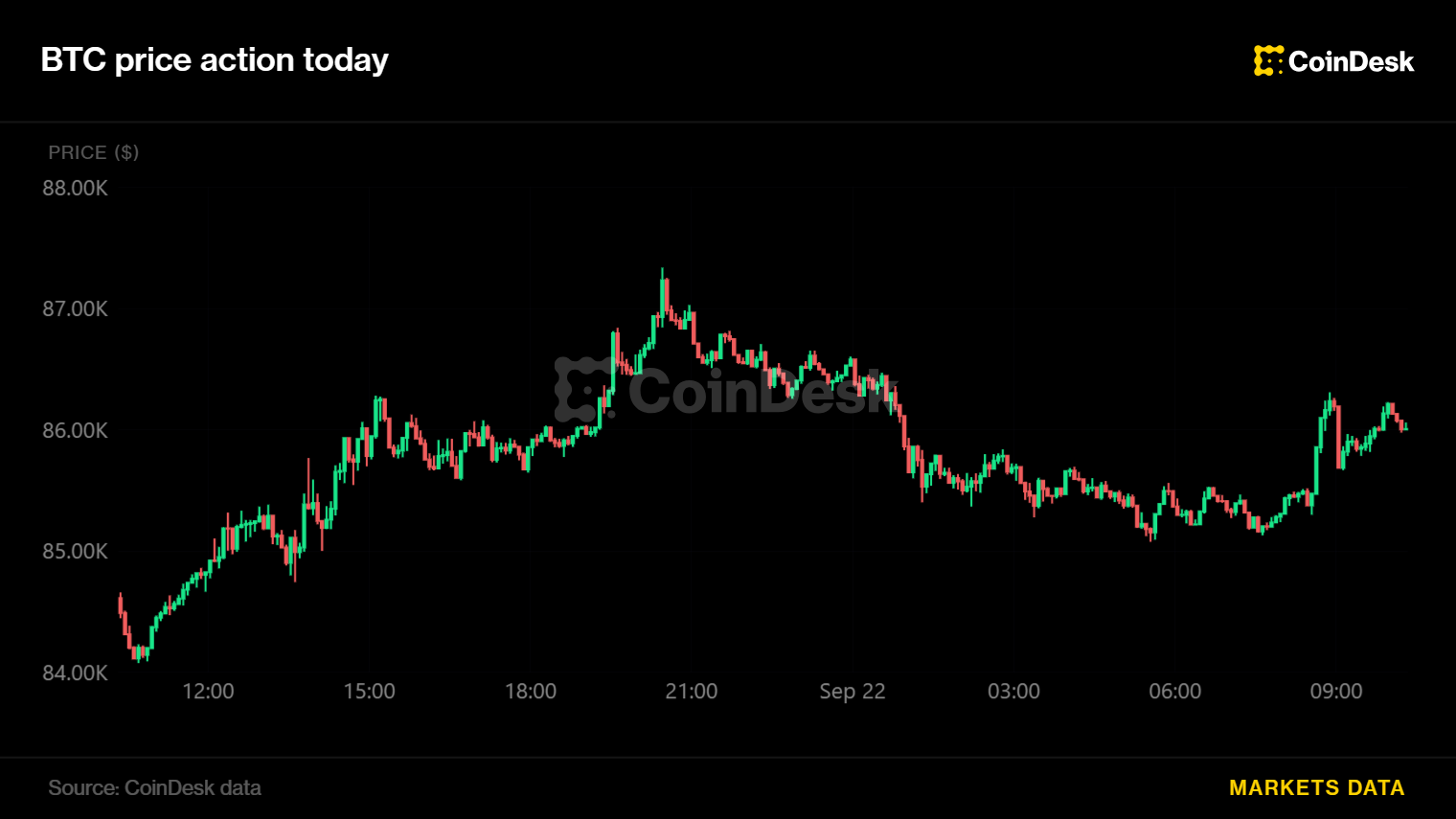
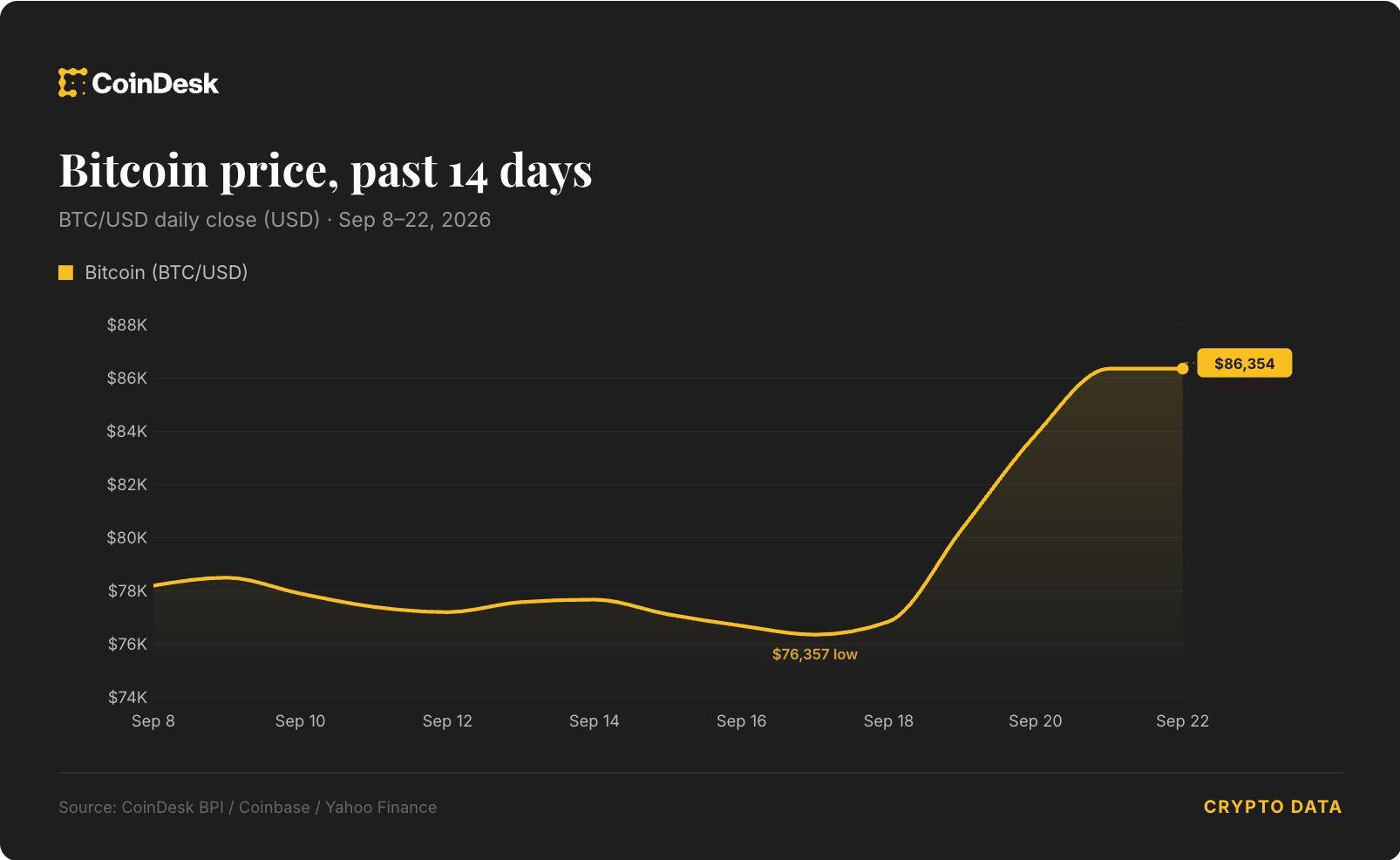
At the same time, Bitcoin was consolidating around $86,000 after a sharp rally that had pushed it to an intraday high of $87,300. The decline in oil prices reduced inflationary pressure, which often lessens demand for “inflation hedges” like Bitcoin. As a result, the cryptocurrency market saw a modest pull‑back, illustrating how a single geopolitical development can ripple through both energy and crypto markets.
What it means for you
If you are earning or investing in crypto, understanding geopolitical cues can help you avoid surprise losses or spot short‑term opportunities. A sudden drop in oil prices might signal a broader easing of risk‑off sentiment, which could lead to a temporary dip in Bitcoin. Conversely, escalating tensions—such as a new sanction or a supply‑chain disruption—can boost risk‑on demand and push crypto prices higher.
Being aware of these dynamics doesn’t mean you have to trade every headline, but it does mean you can place your earnings strategy in a larger context. For example, if you earn passive income from staking or cloud mining, you might choose to hold through short‑term swings, knowing that the underlying protocol rewards remain unchanged regardless of price moves.
What to check / how to judge
- Identify the asset class at risk: Is the news about oil, a major currency, or a geopolitical flashpoint that could affect trade routes?
- Watch risk sentiment indicators: The VIX (volatility index), gold price movements, and major equity indices often move in tandem with crypto sentiment.
- Assess inflation expectations: Rising oil prices can signal higher future inflation, which may increase demand for Bitcoin as an inflation hedge.
- Look for corroborating data: Multiple sources confirming the same geopolitical development reduce the chance of a false alarm.
- Consider your time horizon: Short‑term traders may react to the news, while long‑term earners might stay the course.
FAQ
Why does Bitcoin sometimes move in the same direction as gold?
Both assets are viewed as stores of value during periods of uncertainty. When investors fear inflation or currency devaluation, they often allocate funds to assets that are not directly tied to any single government, causing Bitcoin and gold to rise together.
Can I use geopolitical news to time my crypto earnings?
Timing markets based on news is risky because reactions can be swift and unpredictable. It’s safer to focus on consistent earning methods—such as staking, mining, or cloud rewards—while staying informed about major events that could affect overall market sentiment.
Do lower oil prices always mean lower Bitcoin prices?
Not necessarily. Lower oil prices can reduce inflation expectations, which might lessen demand for Bitcoin as an inflation hedge. However, other factors—like regulatory news or technological upgrades—can dominate price movements.
How can I protect my crypto earnings from sudden market swings?
Diversify your earning sources (e.g., combine staking with cloud mining), keep a portion of your holdings in stablecoins to reduce exposure, and set clear stop‑loss or profit‑taking thresholds if you actively trade.
This article references reporting from coindesk.com.